Mystery · Book club
The Silkworm book club questions
Here are 11 book club questions for The Silkworm by Robert Galbraith, ordered to open easily and end somewhere worth arguing about. Copy them, print them, or bring them up one at a time.
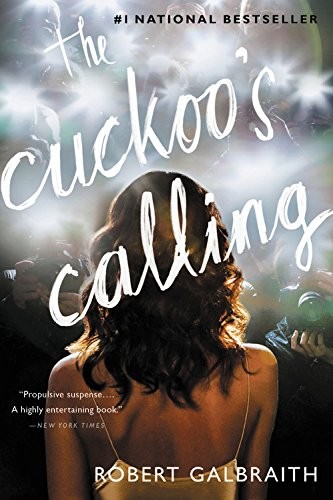
The Silkworm is the second Cormoran Strike novel, and it makes the wise structural decision to set its murder entirely inside the literary world — agents, publishers, authors, and the people who orbit them.
Robert Galbraith · 2014 · 8h 45m
Full summary and key takeaways →The 11 questions
- 1.
Owen Quine's novel-within-the-novel uses fictional disguise to attack real people in his life. Is there a point at which artistic license becomes cruelty? Did Quine cross it?
- 2.
The murder's staging echoes a scene from the manuscript. What does the killer gain from that theatrical element — beyond the obvious practical complications it adds?
- 3.
Robin is making professional choices in this book that are partly hidden from Matthew. Is she wrong to do so? Is Matthew wrong to disapprove?
- 4.
Several characters had reason to hate Quine and knew about the manuscript. The investigation depends on determining who hated specifically enough. How does Rowling draw that distinction?
- 5.
The publishing world in this novel is not flattering — agents, publishers, and authors are all shown as capable of significant selfishness. Is that a fair portrait of the industry?
- 6.
Strike's famous-father backstory is given more attention in this book. Does it add to the character or does it feel like it's being held in reserve for a later book?
- 7.
The fictional manuscript Quine is writing is described as extremely bad, in specific ways. How does Rowling manage to have fun with bad literary writing without the joke turning on itself?
- 8.
The victim is difficult to sympathize with. Does that make the investigation's moral stakes lower? Or does it complicate them?
- 9.
The Silkworm is more controlled in tone than The Cuckoo's Calling. Is that an improvement, or does it lose something in the process?
- 10.
Which characters in this book did you want to see return in later installments? Which did you hope would not?
- 11.
The title The Silkworm is an allusion to a Thomas Middleton play about poisonous writing. Does knowing that change anything about how you read the book?
How to run the discussion
- Pick six to eight, not all of them. An hour of real discussion covers fewer questions than anyone expects, and racing the list is what makes a book club feel like homework.
- Open with what people noticed, not what they concluded. Asking for a verdict first hardens opinions before anyone has heard each other.
- Let the disagreement run. The questions below that split a room are the ones worth the time; the ones everyone answers the same way can be skipped.
- Ask the quiet person a specific question. A direct, narrow question is far easier to answer than an open invitation to contribute.
Themes worth steering toward
If the conversation stalls, these are the threads that usually restart it.
Common questions
What are good book club questions for The Silkworm?
Here are 11 book club questions for The Silkworm by Robert Galbraith, ordered to open easily and end somewhere worth arguing about. The strongest openers ask what each reader noticed rather than what they concluded, and the discussion usually turns on literary world and ambition, vengeance and humiliation, obsession and creativity.
How long should a book club discussion of The Silkworm last?
Most groups run 60 to 90 minutes of actual discussion. That is roughly six to eight questions, not all of them, so pick the ones that suit your group rather than working down the list in order.
What are the main themes in The Silkworm?
Literary world and ambition, Vengeance and humiliation, Obsession and creativity, Exposure and vulnerability, Loyalty under pressure. Those are the threads most likely to divide a room, which makes them the useful places to steer a discussion that has gone quiet.
Picking the next one? See books like The Silkworm or questions for other book club picks.
