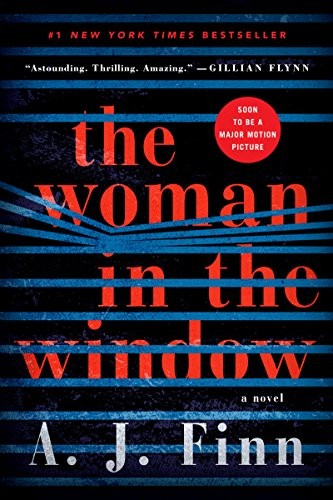
Talk to The Woman in the Window like its author wrote you back.
Get the ideas that fit your life — not generic summaries.
- Chat with the book
- Audiobook-style main ideas
- Adapts to your life and goals
- Helps you take action
The Woman in the Window, in detail
Anna Fox is a child psychologist who hasn't left her Manhattan brownstone in ten months. She fills the days with old black-and-white films, wine she's not supposed to drink on her medication, and watching the neighbors through the lens of her camera. She knows their routines. She studies their windows. Then one night she witnesses what appears to be a violent crime across the park — and nobody believes her.
The book is fundamentally about the gap between what we see and what we know. Anna's agoraphobia isn't a simple plot device; it shapes what information the reader can trust. Her unreliable narration — blurred by alcohol, medication interactions, and the distortions of trauma — turns even the most basic observations into questions. Finn leans hard into the Rear Window tradition, but the psychological element runs deeper than Hitchcock ventured: Anna isn't just trapped in a chair, she's trapped in a mind that actively works against her.
Finn writes with visible craft and clear commercial instincts. The plot construction is tight, the misdirection is mostly earned, and the pacing accelerates convincingly in the final third. The novel wears its cinematic influences openly — not just Hitchcock but Gaslight, Wait Until Dark, and the whole postwar paranoid-woman genre — and does so affectionately rather than academically. The twist lands harder if you've been too comfortable trusting Anna's perspective, which most readers will have been.
This is a book that rewards fast reading. The prose isn't the point; the architecture is. Readers who want psychological depth and nuanced character work may find Anna's interiority thinner than they'd like. But readers looking for a tightly wound, propulsive thriller with a smart unreliable-narrator conceit will find it delivers what it promises. It's a beach read that takes itself seriously enough to justify the label "psychological thriller" rather than just "thriller."
The big ideas
- 1.
Confined space as narrative engine: Anna's townhouse is both prison and observatory, and Finn uses the physical limits to control exactly what the reader can see.
- 2.
Unreliable narration here isn't a parlor trick — it's structurally honest, because Anna's medication and alcohol create documented perceptual distortions the reader tracks in real time.
- 3.
The Rear Window template is updated by making the watcher herself the primary suspect: the novel questions whether surveillance reveals truth or projects it.
