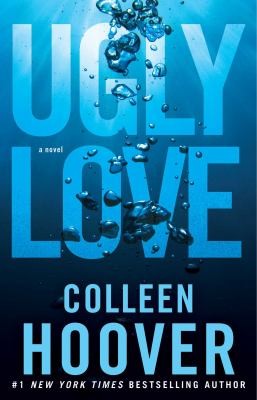
Talk to Ugly Love like its author wrote you back.
Get the ideas that fit your life — not generic summaries.
- Chat with the book
- Audiobook-style main ideas
- Adapts to your life and goals
- Helps you take action
What it argues
Tate Collins moves in with her brother and meets Miles Archer, his pilot roommate, the same night Miles drunkenly mistakes Tate for someone else. The setup is recognizable: a gorgeous, emotionally closed-off man, a woman willing to accept terms she shouldn't. Ugly Love runs with this arrangement — no feelings, no questions about the past — and then slowly excavates why Miles is the way he is, using a dual timeline that alternates between Tate's present-day narration and chapters from Miles's perspective six years earlier.
The past timeline is where most of the novel's weight lives. The Miles chapters are written in an unusual stripped-down style — short, imagistic, almost dissociated — and document the love story that shattered him. Hoover uses the structural contrast deliberately: the past Miles writes in fragments because the experience was too large for ordinary sentences, while the present Tate writes in full paragraphs because she is functioning normally and Miles is not. The book is about what happens when someone has decided that love is too costly to try again, and how that decision damages the people around them.
What it gets right
- 1.
Miles's emotional shutdown is rooted in specific, devastating loss — the book earns its explanation in a way that feels less like excuse-making and more like grief rendered honestly.
- 2.
The dual narrative structure does actual work: the fragmented past voice signals dissociation, while the full present voice shows a functioning person accepting an arrangement that doesn't serve her.
- 3.
Tate's willingness to accept unfair terms is examined more honestly than in many similar novels — the book doesn't entirely let her off the hook for what she chose.
What it covers
Who wrote it
Colleen Hoover is an American author who self-published her debut novel Slammed in 2012 and became one of the bestselling fiction writers of the 2020s largely through reader word-of-mouth on BookTok. She has published more than twenty novels across romance, new adult, and contemporary fiction, including It Ends with Us, Verity, and Reminders of Him. She co-founded the charity The Bookworm Box, which donates proceeds to various organizations. Her work is known for emotional intensity and for deploying genre conventions while frequently subverting reader expectations.
