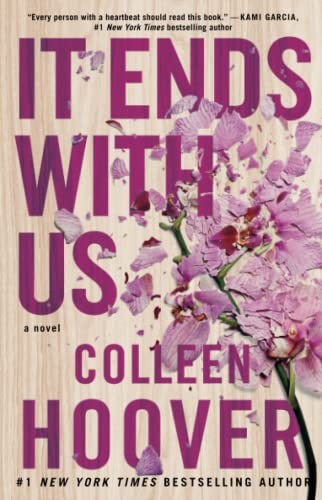
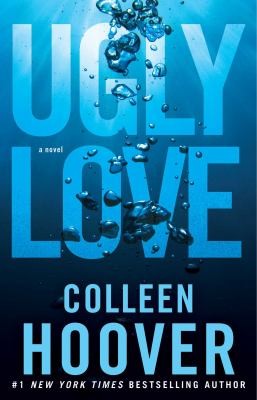
Ugly Love by Colleen Hoover is a 2014 contemporary fiction book about grief, emotional unavailability, self-protection. Miles's emotional shutdown is rooted in specific, devastating loss — the book earns its explanation in a way that feels less like excuse-making and more like grief rendered honestly.
Summary
Tate Collins moves in with her brother and meets Miles Archer, his pilot roommate, the same night Miles drunkenly mistakes Tate for someone else. The setup is recognizable: a gorgeous, emotionally closed-off man, a woman willing to accept terms she shouldn't. Ugly Love runs with this arrangement — no feelings, no questions about the past — and then slowly excavates why Miles is the way he is, using a dual timeline that alternates between Tate's present-day narration and chapters from Miles's perspective six years earlier.
The past timeline is where most of the novel's weight lives. The Miles chapters are written in an unusual stripped-down style — short, imagistic, almost dissociated — and document the love story that shattered him. Hoover uses the structural contrast deliberately: the past Miles writes in fragments because the experience was too large for ordinary sentences, while the present Tate writes in full paragraphs because she is functioning normally and Miles is not. The book is about what happens when someone has decided that love is too costly to try again, and how that decision damages the people around them.
The dual structure is the book's strongest element and its most divisive. Some readers find the past chapters poetic; others find them affected. The "no feelings" arrangement has become one of the defining tropes of New Adult fiction, and Ugly Love is one of its foundational texts. The novel is less subtle than It Ends with Us but more emotionally controlled than some of Hoover's earlier work. The grief Miles carries is earned; the explanation for his behavior lands.
This works best as a fast, emotionally immersive read. The plotting is thin — most of the novel is internal — but the emotional payoff in the final act is effective if the reader has bought into the characters. Those who find the "emotionally unavailable man" trope exhausting will not be converted here. Readers who want to understand why that trope keeps selling millions of copies will find Ugly Love an instructive case study.
Talk to Ugly Love like its author wrote you back.
Get the ideas that fit your life — not generic summaries.
- Chat with the book
- Audiobook-style main ideas
- Adapts to your life and goals
- Helps you take action
Key takeaways
- 1.
Miles's emotional shutdown is rooted in specific, devastating loss — the book earns its explanation in a way that feels less like excuse-making and more like grief rendered honestly.
- 2.
The dual narrative structure does actual work: the fragmented past voice signals dissociation, while the full present voice shows a functioning person accepting an arrangement that doesn't serve her.
- 3.
Tate's willingness to accept unfair terms is examined more honestly than in many similar novels — the book doesn't entirely let her off the hook for what she chose.
- 4.
The novel explores how people use emotional unavailability as a form of self-preservation, and the collateral damage that strategy inflicts on anyone who gets close.
- 5.
Desire and emotional intimacy are treated as separable things — the book's tension comes from both characters knowing the difference but making different choices about it.
- 6.
Grief that goes unprocessed doesn't disappear; it just becomes a rule system people build their lives around. Miles's 'two rules' are Exhibit A.
- 7.
The resolution requires Miles to confront something he has been protecting himself from for years — healing is shown as active and painful rather than inevitable.
- 8.
Ugly Love helped establish the New Adult template of trauma backstory + slow emotional thaw, which explains both its enormous readership and the fatigue some readers feel toward the trope.
Discussion questions
Use these on your own, with a book club, or as chat starters in Superbook. Book club version, ready to copy or print →
- 1.
Tate agrees to Miles's terms knowing they are unfair to her. Is that a character flaw in her, a realistic depiction of how desire overrides self-interest, or both?
- 2.
The past chapters are written in a radically different style from the present ones. Did that work for you, or did it feel like a gimmick?
- 3.
Miles's grief is rooted in events from the past timeline. When those events are revealed, does it change how you read his behavior toward Tate, or does it not excuse any of it regardless?
- 4.
The 'no feelings, no questions' arrangement is a staple of romance and New Adult fiction. What does it say about the genre that this setup keeps selling?
- 5.
Tate eventually breaks the rules of the arrangement emotionally before Miles does. What does that asymmetry tell us about each character?
- 6.
The novel is told from two perspectives but neither is neutral. Which character do you trust more as a narrator, and why?
- 7.
Compare Miles's self-protective behavior to the kind of emotional labor Tate performs throughout the book. Does the novel treat these symmetrically or not?
- 8.
By the end, Miles chooses to open himself again. Does that feel earned by everything that came before, or does it feel like the book needing to end happily?
- 9.
Is there a version of this story where Tate makes a different choice and it's a better book?
- 10.
Ugly Love was a foundational text for what became BookTok. What does its massive readership suggest about what readers are looking for that more literary fiction doesn't provide?
- 11.
Miles spends six years protecting himself from something. What would you say to him, knowing what he lost and how he's been living?
- 12.
The book's title refers to the ugly side of love — the part that costs you. What specific moment in the book felt most like that to you?
Themes
Frequently asked questions
-
Is Ugly Love a romance or a tearjerker?
Both. It follows a romance structure but the emotional weight comes from grief and loss rather than the central relationship. Readers who go in expecting pure romance often report being blindsided by how sad the past chapters are.
-
Is Ugly Love worth reading if you've already read It Ends with Us?
They are very different books. It Ends with Us deals with abuse; Ugly Love deals with grief and emotional unavailability. If you liked the structural ambition and dual timeline, Ugly Love is the better technical piece. If you want the same emotional seriousness, it's lighter.
-
Why is the Miles narration written so strangely?
Hoover writes the past chapters in a fragmented, stripped-down style meant to convey dissociation and the difficulty of fully processing traumatic memory. Some readers love it; others find it affected or difficult to follow.
-
Who shouldn't read Ugly Love?
Readers who find the emotionally unavailable male lead trope frustrating will not be converted. The 'no feelings' arrangement also requires some tolerance for a protagonist making choices against her own interests, which not every reader can accept.
-
Is there a movie adaptation?
Yes — a Netflix film adaptation was released in 2023 starring Taylor Zakhar Perez and Zoey Deutch, directed by Michael Lewen. It received mixed reviews, with most critics preferring the book.