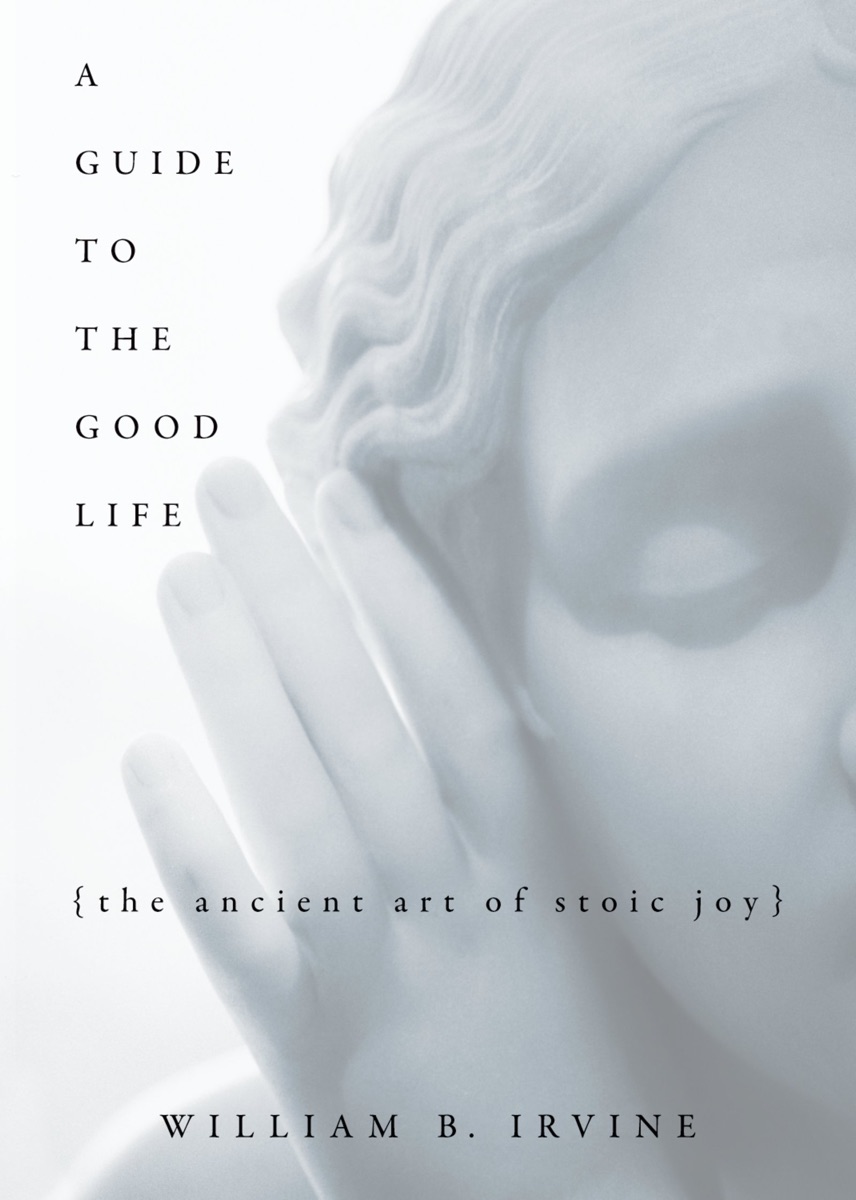
Talk to A Guide to the Good Life like its author wrote you back.
Get the ideas that fit your life — not generic summaries.
- Chat with the book
- Audiobook-style main ideas
- Adapts to your life and goals
- Helps you take action
A Guide to the Good Life, in detail
William Irvine's book is a modern case for reviving Stoic philosophy as a practical guide to living well. Irvine, a philosophy professor, argues that most people drift through life without a coherent philosophy — without any clear answer to the question of what they actually want and how to pursue it. Stoicism, he contends, offers exactly this: a complete framework for identifying what matters and training yourself to want what you already have.
The book traces the history of Stoicism from Zeno of Citium through Epictetus, Marcus Aurelius, and Seneca, but Irvine's primary interest is not historical. He wants to extract practical techniques. The most central is the dichotomy of control: some things are up to us, some are not, and confusing the two is the primary source of unhappiness. Irvine extends this into what he calls the trichotomy of control — things fully in our control, things partly in our control, and things not at all in our control — and argues that most anxiety comes from obsessing over the wrong category.
The technique Irvine returns to most often is negative visualization: deliberately imagining losing the things you value. The practice sounds morbid but functions as an antidote to hedonic adaptation, the psychological tendency to take good things for granted. A Stoic who occasionally imagines losing their health, relationships, or freedom will appreciate those things more than someone who never considers the possibility. Voluntary discomfort — occasionally skipping a meal, taking a cold walk, tolerating physical hardship — serves a related purpose: building resilience and confirming that you can handle adversity.
Irvine is honest that modern Stoicism requires some adaptation. He strips away the more cosmological and theological elements of ancient Stoic thought and keeps what is psychologically actionable. Some philosophers find this approach superficial; Irvine would say it makes the ideas available to people who would otherwise have no framework at all. The book is less intellectually demanding than primary sources like Epictetus's Discourses and much more applied. Readers who want a rigorous philosophical treatment will need to go further, but as an entry point to Stoic practice, it remains unusually clear.
The big ideas
- 1.
The dichotomy of control is Stoicism's core insight: focus energy on what you can influence, and practice indifference toward what you cannot.
- 2.
Negative visualization — imagining the loss of things you value — counteracts hedonic adaptation and restores appreciation for ordinary life.
- 3.
Voluntary discomfort, like skipping a meal or taking cold walks, builds the resilience to confirm you can handle genuine hardship.
