Memoir · Book club
A Long Way Gone: Memoirs of a Boy Soldier book club questions
Here are 12 book club questions for A Long Way Gone: Memoirs of a Boy Soldier by Ishmael Beah, ordered to open easily and end somewhere worth arguing about. Copy them, print them, or bring them up one at a time.
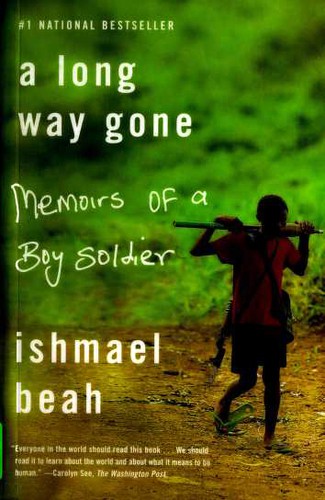
Ishmael Beah was twelve years old when the Sierra Leone civil war reached his village and he was separated from his family.
Ishmael Beah · 2007 · 4h 20m
Full summary and key takeaways →The 12 questions
- 1.
Beah describes being turned into a soldier through a combination of fear, drugs, and belonging. Which of those three forces seems most powerful in his account?
- 2.
The book asks readers to hold two things simultaneously: understanding how Beah became a killer and not letting that understanding erase moral accountability. Is that balance achievable in practice?
- 3.
How does Beah's use of vivid sensory detail — sounds, smells, images from childhood — function within the narrative? What would be lost without it?
- 4.
The rehabilitation workers at the UNICEF center are largely unsung. What does their approach reveal about what effective care for traumatized children actually requires?
- 5.
Beah does not dwell on self-pity. Is that restraint a strength of the memoir, or does it leave something important unexamined?
- 6.
What does the book suggest about the responsibility of the international community when civil wars recruit children?
- 7.
Beah eventually gets to New York and a relatively safe life. Does the memoir give enough weight to the structural luck involved in that outcome?
- 8.
How do you read the memoir's ending? Is Beah's survival and rehabilitation a hopeful statement or a narrow exception?
- 9.
What would you want to know about Beah's life after the events in the book that he doesn't tell you here?
- 10.
The title, A Long Way Gone, has more than one meaning. What does it refer to by the end of the book?
- 11.
Compare how the book portrays the adults in Beah's life before the war and during it. What happened to the institutions that normally protect children?
- 12.
If you were designing a policy response to child soldier rehabilitation based on what this memoir shows actually works, what would you prioritize?
How to run the discussion
- Pick six to eight, not all of them. An hour of real discussion covers fewer questions than anyone expects, and racing the list is what makes a book club feel like homework.
- Open with what people noticed, not what they concluded. Asking for a verdict first hardens opinions before anyone has heard each other.
- Let the disagreement run. The questions below that split a room are the ones worth the time; the ones everyone answers the same way can be skipped.
- Ask the quiet person a specific question. A direct, narrow question is far easier to answer than an open invitation to contribute.
Themes worth steering toward
If the conversation stalls, these are the threads that usually restart it.
Common questions
What are good book club questions for A Long Way Gone: Memoirs of a Boy Soldier?
Here are 12 book club questions for A Long Way Gone: Memoirs of a Boy Soldier by Ishmael Beah, ordered to open easily and end somewhere worth arguing about. The strongest openers ask what each reader noticed rather than what they concluded, and the discussion usually turns on war, child soldiers, trauma.
How long should a book club discussion of A Long Way Gone: Memoirs of a Boy Soldier last?
Most groups run 60 to 90 minutes of actual discussion. That is roughly six to eight questions, not all of them, so pick the ones that suit your group rather than working down the list in order.
What are the main themes in A Long Way Gone: Memoirs of a Boy Soldier?
War, Child soldiers, Trauma, Rehabilitation, Survival. Those are the threads most likely to divide a room, which makes them the useful places to steer a discussion that has gone quiet.
Picking the next one? See books like A Long Way Gone: Memoirs of a Boy Soldier or questions for other book club picks.
