Literary fiction · Book club
A Portrait of the Artist as a Young Man book club questions
Here are 12 book club questions for A Portrait of the Artist as a Young Man by James Joyce, ordered to open easily and end somewhere worth arguing about. Copy them, print them, or bring them up one at a time.
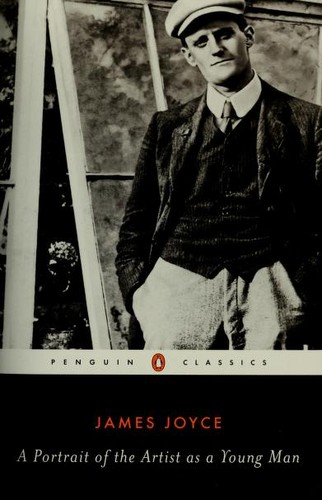
A Portrait of the Artist as a Young Man traces the intellectual and spiritual development of Stephen Dedalus from early childhood to the edge of adulthood, when he leaves Ireland to pursue life as an artist.
James Joyce · 1916 · 6h 0m
Full summary and key takeaways →The 12 questions
- 1.
Stephen announces he will not serve Church, family, or nation. How convincing is that declaration, given what we've seen of him across the novel?
- 2.
The hell sermon section is often read as the emotional climax of the book. Did it work for you as a piece of rhetoric — did you feel the fear it was designed to produce?
- 3.
Stephen is often described as cold or unsympathetic. How much does that affect your engagement with the novel, and is Joyce inviting sympathy or something else?
- 4.
The famous 'non serviam' — I will not serve — is presented as liberation. What does Stephen think he is escaping, and what does the novel suggest he may be missing?
- 5.
Joyce embeds the Dedalus myth in Stephen's name and in the novel's imagery. At the end, is Stephen Dedalus the craftsman father or the reckless son who flew too high?
- 6.
The novel is set during a period of intense Irish nationalism, but Stephen refuses nationalist politics as firmly as he refuses the Church. Is his position principled or evasive?
- 7.
How does the prose style in the opening pages — the baby-talk voice — set up the novel's central argument about language and consciousness?
- 8.
The Dean of Studies scene, where Stephen notes that 'tundish' is actually an English word not an Irish one, is a small moment that radiates outward. What is Joyce saying about the relationship between Irish people and the English language?
- 9.
Stephen's theory of aesthetics — stasis versus kinesis, lyric versus dramatic — is presented seriously. Do you find it convincing as a theory, or is it a young man's pose?
- 10.
Portrait ends with Stephen about to leave. Knowing that Ulysses picks him up years later, having not become the artist he imagined, does that change how you read the end of Portrait?
- 11.
E.C. — the woman Stephen observes and desires but barely speaks to — is almost entirely absent as a person. How does that absence function in the novel?
- 12.
Is Portrait a celebration of the artistic temperament or a critique of it — or both simultaneously?
How to run the discussion
- Pick six to eight, not all of them. An hour of real discussion covers fewer questions than anyone expects, and racing the list is what makes a book club feel like homework.
- Open with what people noticed, not what they concluded. Asking for a verdict first hardens opinions before anyone has heard each other.
- Let the disagreement run. The questions below that split a room are the ones worth the time; the ones everyone answers the same way can be skipped.
- Ask the quiet person a specific question. A direct, narrow question is far easier to answer than an open invitation to contribute.
Themes worth steering toward
If the conversation stalls, these are the threads that usually restart it.
Common questions
What are good book club questions for A Portrait of the Artist as a Young Man?
Here are 12 book club questions for A Portrait of the Artist as a Young Man by James Joyce, ordered to open easily and end somewhere worth arguing about. The strongest openers ask what each reader noticed rather than what they concluded, and the discussion usually turns on artistic vocation, religion and rebellion, identity formation.
How long should a book club discussion of A Portrait of the Artist as a Young Man last?
Most groups run 60 to 90 minutes of actual discussion. That is roughly six to eight questions, not all of them, so pick the ones that suit your group rather than working down the list in order.
What are the main themes in A Portrait of the Artist as a Young Man?
Artistic vocation, Religion and rebellion, Identity formation, Ireland and exile, Language. Those are the threads most likely to divide a room, which makes them the useful places to steer a discussion that has gone quiet.
Picking the next one? See books like A Portrait of the Artist as a Young Man or questions for other book club picks.
