Talk to Beartown like its author wrote you back.
Get the ideas that fit your life — not generic summaries.
- Chat with the book
- Audiobook-style main ideas
- Adapts to your life and goals
- Helps you take action
What it argues
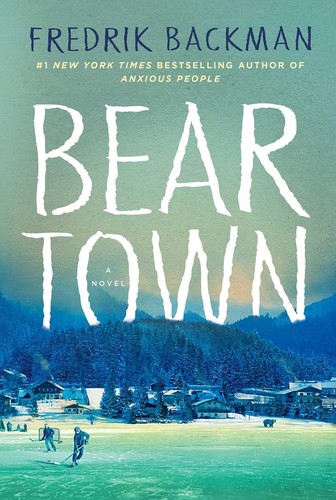
Beartown is a dying town in rural Sweden whose only remaining source of identity and pride is its youth hockey program. The team has a chance at the national junior championships, and the town has placed its hopes — financial, social, emotional — on a group of teenage boys. When an assault occurs the night after a major playoff win, Beartown becomes a novel about what communities do when the thing they need to survive conflicts with the truth they need to face.
The assault — a rape — is not a mystery or a plot device. Backman names what happened early, gives both the perpetrator and the survivor interiority, and then turns his attention to the question the novel is actually asking: how does a community decide to see or not see what happened in its midst? The answer is rendered through dozens of characters — coaches, parents, players, administrators, a police officer, a priest — each of whom is given sufficient complexity that their choices feel earned rather than convenient. This is not a novel of heroes and villains; it is a novel of people under social pressure, which is more uncomfortable and more honest.
What it gets right
- 1.
Backman's central formal decision — to name the assault early and without ambiguity — refuses the reader the comfort of doubt and forces the novel's real question: not what happened, but what the community does with what happened.
- 2.
The hockey culture in Beartown is described with love and understood as a system: it creates belonging, demands loyalty, and teaches boys that dominance is its own justification. All three of those features are implicated in the assault.
- 3.
The survivor, Maya, is given as much interiority and agency as the perpetrator, Kevin — a choice that resists the genre tendency to treat victims as narrative functions rather than people.
What it covers
Who wrote it
Fredrik Backman is a Swedish author and journalist whose novels have been translated into more than forty languages and sold over twelve million copies worldwide. He published A Man Called Ove in 2012 and has since written My Grandmother Asked Me to Tell You She's Sorry, Britt-Marie Was Here, and the Beartown trilogy — Beartown, Us Against You, and The Winners. Backman is known for novels organized around ensemble casts in small communities facing moral crises. Beartown, first published in Sweden in 2016, is widely considered his most ambitious and politically serious novel.
