Talk to Circe like its author wrote you back.
Get the ideas that fit your life — not generic summaries.
- Chat with the book
- Audiobook-style main ideas
- Adapts to your life and goals
- Helps you take action
What it argues
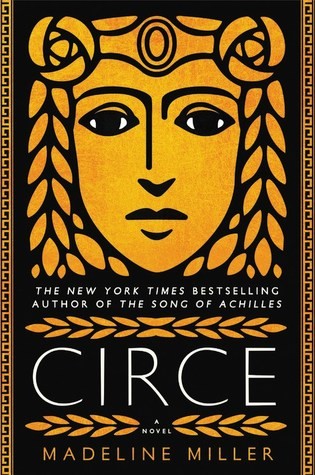
Circe is the daughter of Helios, god of the sun, but she inherits neither divine radiance nor power — only a human voice that embarrasses her immortal family. The novel follows her from Olympian halls to a remote island, Aeaea, where she discovers witchcraft and the patience to perfect it alone. Miller takes a figure who appears briefly in Homer — the sorceress who turns Odysseus's men into pigs — and gives her a full interior life: millennia of isolation, encounters with figures from across Greek myth, and a slow reckoning with what she is and what she wants.
The book is about what it means to choose your own power when the world has decided your place for you. Circe is neither goddess nor mortal; she's scorned by both. Her witchcraft — pharmaka, the magic of herbs and will — is earned rather than inherited, which makes it hers in a way that divine gifts cannot be. The novel asks what someone does with centuries of solitude, how they decide to use what they've learned, and whether freedom from a world that dismissed you is liberation or just another kind of exile.
What it gets right
- 1.
Power earned through study and practice — witchcraft — is more transformative than power inherited from family or divinity.
- 2.
Circe's isolation on Aeaea is not just punishment; over time it becomes the condition in which she becomes herself.
- 3.
The novel reclaims a woman who appears only as an obstacle in Homer and gives her full interiority, ambition, and a coherent set of values.
What it covers
Who wrote it
Madeline Miller is an American author who spent a decade teaching Greek and Latin at secondary level before publishing The Song of Achilles in 2011, which won the Orange Prize for Fiction. Circe followed in 2018 to wide critical acclaim and became an international bestseller. Both novels draw on Miller's deep knowledge of classical mythology and ancient literature. She studied Classics at Brown University and is one of the most successful authors writing literary fantasy rooted in the ancient world.
