Talk to Circe like its author wrote you back.
Get the ideas that fit your life — not generic summaries.
- Chat with the book
- Audiobook-style main ideas
- Adapts to your life and goals
- Helps you take action
Circe, in detail
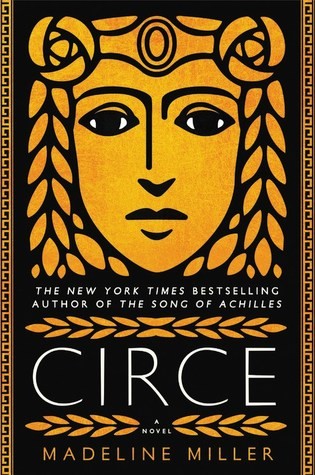
Circe is the daughter of Helios, god of the sun, but she inherits neither divine radiance nor power — only a human voice that embarrasses her immortal family. The novel follows her from Olympian halls to a remote island, Aeaea, where she discovers witchcraft and the patience to perfect it alone. Miller takes a figure who appears briefly in Homer — the sorceress who turns Odysseus's men into pigs — and gives her a full interior life: millennia of isolation, encounters with figures from across Greek myth, and a slow reckoning with what she is and what she wants.
The book is about what it means to choose your own power when the world has decided your place for you. Circe is neither goddess nor mortal; she's scorned by both. Her witchcraft — pharmaka, the magic of herbs and will — is earned rather than inherited, which makes it hers in a way that divine gifts cannot be. The novel asks what someone does with centuries of solitude, how they decide to use what they've learned, and whether freedom from a world that dismissed you is liberation or just another kind of exile.
Miller's prose is rich without being ornate — the sentences move with the weight of myth but the clarity of contemporary fiction. The novel is structured as a series of encounters: Prometheus, the Minotaur's mother Pasiphae, Daedalus, Medea, Odysseus himself. Each relationship sharpens what Circe is and what she refuses to be. The Odysseus section is particularly well-handled: Miller doesn't rehabilitate him or vilify him, but she makes clear that Circe's story was never his to narrate.
Readers expecting epic adventure will find something more like a meditation on feminine power and the cost of being exceptional in a world that punishes it. The novel moves slowly in places — this is deliberate, matching Circe's centuries-long rhythms — and the ending is quietly radical. This is accessible literary fantasy at its best: the kind of book that uses myth to say something specific about power, autonomy, and what it means to make a life outside the story others have written for you.
The big ideas
- 1.
Power earned through study and practice — witchcraft — is more transformative than power inherited from family or divinity.
- 2.
Circe's isolation on Aeaea is not just punishment; over time it becomes the condition in which she becomes herself.
- 3.
The novel reclaims a woman who appears only as an obstacle in Homer and gives her full interiority, ambition, and a coherent set of values.
