Talk to Gilead like its author wrote you back.
Get the ideas that fit your life — not generic summaries.
- Chat with the book
- Audiobook-style main ideas
- Adapts to your life and goals
- Helps you take action
Gilead, in detail
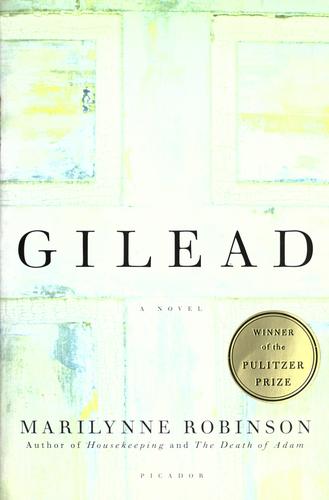
Gilead is written as a long letter from John Ames, a 76-year-old Congregationalist minister in Iowa, to his seven-year-old son — a letter the boy will not read until he is grown and his father is long dead. Ames is dying of a heart condition. He has lived in the same small town his whole life. He married late, lost a first wife in childbirth decades ago, and has found late-life happiness with a second wife and the son he never expected to have. The letter is his attempt to leave the boy something of himself: his memories, his theology, his love.
What the novel is actually about is harder to summarize cleanly. It circles around questions of grace, forgiveness, and moral complexity without resolving them into doctrine. The theological texture is specific and serious — Robinson knows Calvinist theology and treats it as genuinely interesting rather than as quaint background. The appearance of John Ames Boughton, the prodigal son of Ames's oldest friend, creates the only real external tension in the book: Ames mistrusts him, fears him as a threat to his wife and son, and struggles to reconcile his theological commitments to forgiveness with his human jealousy and suspicion.
Robinson's prose is the book's singular achievement. The sentences are long, meditative, and full of light — she describes physical reality (the way sunlight hits water, the smell of a town, the look of an old man's hands) with an attention that functions almost as theology in itself, as if paying close attention to the world were a form of prayer. The novel won the 2005 Pulitzer Prize and is considered one of the finest American novels of its era precisely because it takes religious interiority seriously in a literary culture that often doesn't know what to do with faith.
This is not a novel with a conventional plot, and readers who need narrative tension to stay engaged will struggle. It's almost entirely interior: an old man's mind moving through memory, doubt, affection, and wonder. Readers who find that rewarding — who are willing to sit with a dying man's voice and follow where it leads — often find Gilead transformative. It's the kind of book people read in a particular emotional moment and find they can't shake.
The big ideas
- 1.
The novel treats Christian theology not as background color but as live intellectual matter — Ames's engagement with Calvinist ideas about grace and predestination is specific, earnest, and strange.
- 2.
The letter form gives the prose a particular character: Ames is always conscious of a future reader who won't know him, which shapes what he chooses to say and what he leaves out.
- 3.
Forgiveness in Gilead isn't easy or automatic — Ames knows what the theology requires and finds himself unable to fully provide it, which is one of the novel's most honest tensions.
