Science · Book club
Gut book club questions
Here are 12 book club questions for Gut by Giulia Enders, ordered to open easily and end somewhere worth arguing about. Copy them, print them, or bring them up one at a time.
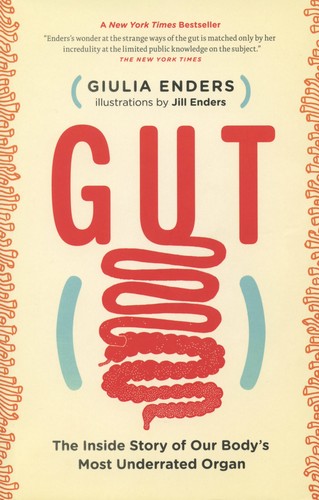
Giulia Enders wrote Gut while studying medicine, and the book shows: it is both scientifically informed and written with an enthusiasm that has clearly not yet been worn down by clinical routine.
Giulia Enders · 2015 · 4h 20m
Full summary and key takeaways →The 12 questions
- 1.
Enders argues the gut is a neglected organ given its central role in health. Had you ever thought about digestion in any detail before reading this book?
- 2.
The book describes the microbiome as highly individual and shaped by early life. What does that suggest about universal dietary advice?
- 3.
Enders distinguishes what is established from what is speculative throughout the book. How well do you think popular media handles that distinction when reporting on gut health?
- 4.
The gut-brain axis suggests that mental health and gut health are linked. How does that change how you think about either anxiety or digestive problems you've experienced?
- 5.
What surprised you most about how digestion actually works? Was there anything that made you feel differently about your own body?
- 6.
The book raises questions about antibiotic overuse. How do you weigh the benefits of antibiotics for acute illness against their effects on the microbiome?
- 7.
Enders describes the enteric nervous system as a kind of second brain. Does that framing feel useful or is it more metaphorical than literal?
- 8.
If the microbiome is so individual, what should we make of the probiotics and prebiotic supplements now marketed widely? Did the book change how you evaluate those claims?
- 9.
The book was written while Enders was a medical student. Does that origin affect how you read it — as a strength, a limitation, or both?
- 10.
Enders is German and the book was translated from German. Do you notice any difference in how Continental European health writing approaches the body compared to American or British?
- 11.
Some of the microbiome research Enders discusses has advanced since 2015. How do you approach a science book that may be partially dated?
- 12.
Which section of the book did you find most practically useful, if any?
How to run the discussion
- Pick six to eight, not all of them. An hour of real discussion covers fewer questions than anyone expects, and racing the list is what makes a book club feel like homework.
- Open with what people noticed, not what they concluded. Asking for a verdict first hardens opinions before anyone has heard each other.
- Let the disagreement run. The questions below that split a room are the ones worth the time; the ones everyone answers the same way can be skipped.
- Ask the quiet person a specific question. A direct, narrow question is far easier to answer than an open invitation to contribute.
Themes worth steering toward
If the conversation stalls, these are the threads that usually restart it.
Common questions
What are good book club questions for Gut?
Here are 12 book club questions for Gut by Giulia Enders, ordered to open easily and end somewhere worth arguing about. The strongest openers ask what each reader noticed rather than what they concluded, and the discussion usually turns on digestion, microbiome, gut-brain connection.
How long should a book club discussion of Gut last?
Most groups run 60 to 90 minutes of actual discussion. That is roughly six to eight questions, not all of them, so pick the ones that suit your group rather than working down the list in order.
What are the main themes in Gut?
Digestion, Microbiome, Gut-brain connection, Health, Biology. Those are the threads most likely to divide a room, which makes them the useful places to steer a discussion that has gone quiet.
Picking the next one? See books like Gut or questions for other book club picks.
