Historical fiction · Book club
Homegoing book club questions
Here are 12 book club questions for Homegoing by Yaa Gyasi, ordered to open easily and end somewhere worth arguing about. Copy them, print them, or bring them up one at a time.
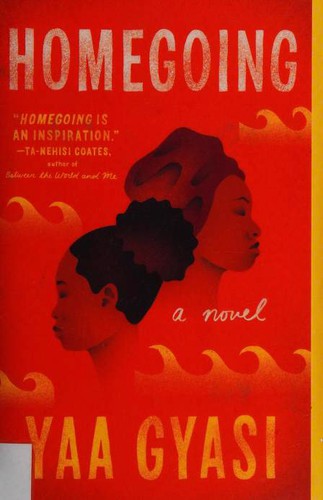
Homegoing begins in eighteenth-century Ghana with two half-sisters who never meet.
Yaa Gyasi · 2016 · 6h 0m
Full summary and key takeaways →The 12 questions
- 1.
The novel opens with Effia marrying a British slave trader, living above the dungeons where enslaved people including her sister are held. Is Effia complicit? Does the novel judge her?
- 2.
Gyasi depicts Ghanaian coastal peoples as participants in the slave trade, not just victims of it. How did that change your understanding of the novel's moral geography?
- 3.
The two-lineage structure means we spend only one chapter with each character. Did this feel limiting, or did it accurately represent how individuals are subsumed by history?
- 4.
Which chapter hit hardest for you? Which character did you most want to follow further?
- 5.
Convict leasing — the practice of arresting Black men on minor charges and leasing them to coal mines and farms — is depicted in one of the Alabama chapters. Many readers are unfamiliar with this practice. Did the novel change how you think about the period between Emancipation and the Civil Rights era?
- 6.
The novel suggests that material conditions, not psychological ones, are the real inheritance of slavery. Do you find this argument persuasive? Does it change how you think about contemporary racial disparities?
- 7.
The Ghanaian chapters depict a society changing under British colonialism in ways that parallel but differ from American slavery. What does holding both storylines simultaneously add to the novel's argument?
- 8.
The crack epidemic chapter is among the most contemporary. Does the novel succeed in connecting that story to the historical chain, or does the connection feel forced?
- 9.
Homegoing was praised for its scope and criticized by some for its lack of depth in individual characters. Which criticism feels more true to you after reading it?
- 10.
The final chapter brings the two lineages together. Did you find that earned? Or did it feel like a concession to the desire for resolution that the novel had been resisting?
- 11.
This was Yaa Gyasi's debut novel, written when she was in her mid-twenties. Does knowing that change how you read it? What do you think she got right that more experienced novelists might not have?
- 12.
If you were going to teach this novel in a course, which two chapters would you pair together and what would you want students to discuss?
How to run the discussion
- Pick six to eight, not all of them. An hour of real discussion covers fewer questions than anyone expects, and racing the list is what makes a book club feel like homework.
- Open with what people noticed, not what they concluded. Asking for a verdict first hardens opinions before anyone has heard each other.
- Let the disagreement run. The questions below that split a room are the ones worth the time; the ones everyone answers the same way can be skipped.
- Ask the quiet person a specific question. A direct, narrow question is far easier to answer than an open invitation to contribute.
Themes worth steering toward
If the conversation stalls, these are the threads that usually restart it.
Common questions
What are good book club questions for Homegoing?
Here are 12 book club questions for Homegoing by Yaa Gyasi, ordered to open easily and end somewhere worth arguing about. The strongest openers ask what each reader noticed rather than what they concluded, and the discussion usually turns on generational trauma, the african diaspora, slavery and its long aftermath.
How long should a book club discussion of Homegoing last?
Most groups run 60 to 90 minutes of actual discussion. That is roughly six to eight questions, not all of them, so pick the ones that suit your group rather than working down the list in order.
What are the main themes in Homegoing?
Generational trauma, The African diaspora, Slavery and its long aftermath, Identity across time, Complicity and guilt. Those are the threads most likely to divide a room, which makes them the useful places to steer a discussion that has gone quiet.
Picking the next one? See books like Homegoing or questions for other book club picks.
