Business · Book club
How to Day Trade for a Living book club questions
Here are 12 book club questions for How to Day Trade for a Living by Andrew Aziz, ordered to open easily and end somewhere worth arguing about. Copy them, print them, or bring them up one at a time.
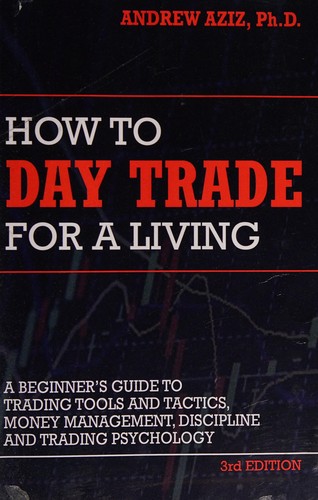
How to Day Trade for a Living is Andrew Aziz's introduction to active stock trading for people who want to treat it as a craft rather than a gamble.
Andrew Aziz · 2015 · 4h 20m
Full summary and key takeaways →The 12 questions
- 1.
Aziz says the failure rate among retail day traders is very high. What does he believe separates the minority who succeed from the majority who don't?
- 2.
What is the role of discipline versus skill in day trading according to this book? Can one compensate for the other?
- 3.
Aziz recommends paper trading for months before risking real money. How realistic is that for someone eager to start, and what are the limits of simulated trading?
- 4.
The book emphasizes risk-to-reward ratios. Think of a decision you made recently — in work or life — where that framework might have helped. Did you apply it consciously?
- 5.
Aziz argues that most retail traders lose because of psychology, not lack of knowledge. What psychological traps does he identify, and which seem most dangerous?
- 6.
The VWAP and Level 2 data tools described in the book were once only available to professional traders. Has democratization of these tools leveled the playing field, or simply added more noise?
- 7.
How does Aziz's advice about limiting yourself to a few specific setups cut against the instinct to stay flexible and opportunistic?
- 8.
What does the trading journal serve beyond simple record-keeping, and why do so many traders skip it despite knowing its value?
- 9.
Aziz treats day trading as a business with repeatable processes. What does applying that frame change about how someone approaches learning it?
- 10.
The first hour of market open is described as the most important. What does that imply about the relationship between volatility and opportunity?
- 11.
How does Aziz's engineering background shape the way he presents trading strategies, and is that framing useful or limiting?
- 12.
If day trading requires this much discipline, preparation, and ongoing study, what does it actually mean to 'live' from it in practice?
How to run the discussion
- Pick six to eight, not all of them. An hour of real discussion covers fewer questions than anyone expects, and racing the list is what makes a book club feel like homework.
- Open with what people noticed, not what they concluded. Asking for a verdict first hardens opinions before anyone has heard each other.
- Let the disagreement run. The questions below that split a room are the ones worth the time; the ones everyone answers the same way can be skipped.
- Ask the quiet person a specific question. A direct, narrow question is far easier to answer than an open invitation to contribute.
Themes worth steering toward
If the conversation stalls, these are the threads that usually restart it.
Common questions
What are good book club questions for How to Day Trade for a Living?
Here are 12 book club questions for How to Day Trade for a Living by Andrew Aziz, ordered to open easily and end somewhere worth arguing about. The strongest openers ask what each reader noticed rather than what they concluded, and the discussion usually turns on day trading, stock markets, risk management.
How long should a book club discussion of How to Day Trade for a Living last?
Most groups run 60 to 90 minutes of actual discussion. That is roughly six to eight questions, not all of them, so pick the ones that suit your group rather than working down the list in order.
What are the main themes in How to Day Trade for a Living?
Day trading, Stock markets, Risk management, Technical analysis, Trading psychology. Those are the threads most likely to divide a room, which makes them the useful places to steer a discussion that has gone quiet.
Picking the next one? See books like How to Day Trade for a Living or questions for other book club picks.
