History · Book club
Meggs' History of Graphic Design book club questions
Here are 11 book club questions for Meggs' History of Graphic Design by Philip B. Meggs, ordered to open easily and end somewhere worth arguing about. Copy them, print them, or bring them up one at a time.
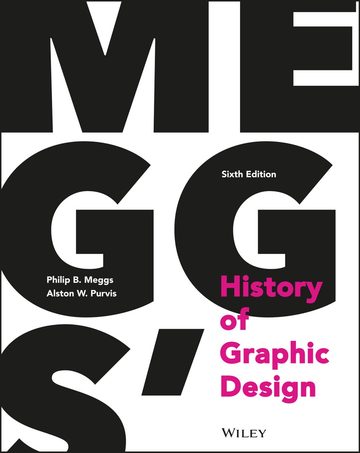
Meggs' History of Graphic Design is the standard reference text for the history of visual communication, covering the development of writing and printed images from prehistoric cave markings through the digital revolution.
Philip B. Meggs · 1983 · 16h 45m
Full summary and key takeaways →The 11 questions
- 1.
Meggs argues that every major technology shift in printing eventually produced a backlash aesthetic. What parallels do you see in the reaction to digital typography and layout tools today?
- 2.
The Bauhaus believed design could serve social progress. How much of that belief survives in contemporary design culture, and where has it been abandoned?
- 3.
The book is primarily a Western history. What do you lose by treating calligraphy traditions from China, Japan, or the Islamic world mainly as background context rather than as parallel histories?
- 4.
Typography is described as a technology as much as an art. Do you find that framing helpful or limiting when thinking about typeface design?
- 5.
What is the design movement or period Meggs covers that feels most alive or relevant to the visual world you navigate today?
- 6.
William Morris and the Arts and Crafts movement were a reaction against the degraded quality of industrial printing. What contemporary movement, if any, plays a similar role?
- 7.
Swiss modernism claimed to produce neutral, objective communication. Is that claim defensible, or does every formal choice carry cultural assumptions?
- 8.
The book ends its original coverage around the early digital period. What would the chapters on 2000–2025 need to address that Meggs could not have anticipated?
- 9.
Graphic design is often treated as secondary to fine art in cultural hierarchies. Does reading a comprehensive history of the field change how you think about that ranking?
- 10.
What is the most formally interesting period of design history to you, and what makes it interesting — the forms themselves, the ideas behind them, or the historical pressures that produced them?
- 11.
Meggs connects formal changes in design directly to social and ideological shifts. Is that connection always convincing, or does it sometimes feel like post-hoc rationalization?
How to run the discussion
- Pick six to eight, not all of them. An hour of real discussion covers fewer questions than anyone expects, and racing the list is what makes a book club feel like homework.
- Open with what people noticed, not what they concluded. Asking for a verdict first hardens opinions before anyone has heard each other.
- Let the disagreement run. The questions below that split a room are the ones worth the time; the ones everyone answers the same way can be skipped.
- Ask the quiet person a specific question. A direct, narrow question is far easier to answer than an open invitation to contribute.
Themes worth steering toward
If the conversation stalls, these are the threads that usually restart it.
Common questions
What are good book club questions for Meggs' History of Graphic Design?
Here are 11 book club questions for Meggs' History of Graphic Design by Philip B. Meggs, ordered to open easily and end somewhere worth arguing about. The strongest openers ask what each reader noticed rather than what they concluded, and the discussion usually turns on graphic design history, typography, visual communication.
How long should a book club discussion of Meggs' History of Graphic Design last?
Most groups run 60 to 90 minutes of actual discussion. That is roughly six to eight questions, not all of them, so pick the ones that suit your group rather than working down the list in order.
What are the main themes in Meggs' History of Graphic Design?
Graphic design history, Typography, Visual communication, Printing, Modernism. Those are the threads most likely to divide a room, which makes them the useful places to steer a discussion that has gone quiet.
Picking the next one? See books like Meggs' History of Graphic Design or questions for other book club picks.
