Literary fiction · Book club
Mrs Dalloway book club questions
Here are 12 book club questions for Mrs Dalloway by Virginia Woolf, ordered to open easily and end somewhere worth arguing about. Copy them, print them, or bring them up one at a time.
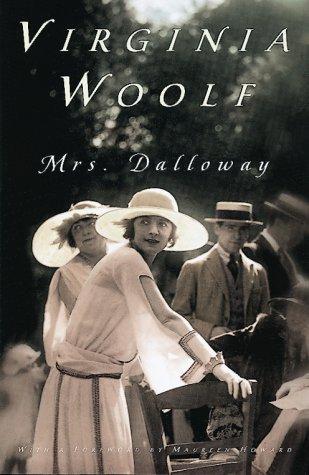
Mrs Dalloway takes place over the course of a single June day in London in 1923, following Clarissa Dalloway — the wife of a politician, preparing for an evening party — and Septimus Warren Smith, a shell-shocked veteran who never intersects with Clarissa but exists in parallel throughout the novel.
Virginia Woolf · 1925 · 4h 15m
Full summary and key takeaways →The 12 questions
- 1.
Clarissa and Septimus never meet. How does Woolf make the parallel between them feel emotionally real rather than schematic?
- 2.
Septimus's shell shock is treated by the doctors in the novel as a problem of will or adjustment. How does Woolf position the reader relative to the medical establishment's view?
- 3.
Clarissa's response to Septimus's death — which she hears of at her own party — is the novel's climax. What does she feel, and why does Woolf place that revelation there?
- 4.
The Sally Seton thread is one of the most moving parts of the novel, even though Sally herself appears for only a few pages. What does Clarissa feel when she sees Sally at the party, and has time changed what that relationship means to her?
- 5.
Peter Walsh's interiority is rendered almost as fully as Clarissa's. Is he a sympathetic figure? Does the novel treat his attachment to Clarissa as romantic or as something more complicated?
- 6.
The novel was written in 1923, only five years after the end of the First World War. How much does that proximity shape what Woolf is doing with Septimus?
- 7.
Clarissa is often criticized as a shallow social figure — someone who has chosen performance over depth. Is that a fair reading, or does Woolf complicate it?
- 8.
Sir William Bradshaw, the psychiatrist, is the novel's clearest villain — but he's not melodramatic. How does Woolf make his brand of authority feel threatening?
- 9.
The Big Ben tolls structure the novel's time. How does that recurring image change in significance as the day progresses?
- 10.
Mrs Dalloway is one of the books that inspired Michael Cunningham's The Hours. Have you read The Hours, and if so, how does knowing the contemporary response to the novel change your reading of the original?
- 11.
The novel is short — under 65,000 words. Does its brevity feel right, or do you wish Woolf had developed certain threads further?
- 12.
Woolf was herself treated for mental illness in ways that closely resemble Septimus's treatment. Does knowing that biographical fact change how you read the Septimus sections?
How to run the discussion
- Pick six to eight, not all of them. An hour of real discussion covers fewer questions than anyone expects, and racing the list is what makes a book club feel like homework.
- Open with what people noticed, not what they concluded. Asking for a verdict first hardens opinions before anyone has heard each other.
- Let the disagreement run. The questions below that split a room are the ones worth the time; the ones everyone answers the same way can be skipped.
- Ask the quiet person a specific question. A direct, narrow question is far easier to answer than an open invitation to contribute.
Themes worth steering toward
If the conversation stalls, these are the threads that usually restart it.
Common questions
What are good book club questions for Mrs Dalloway?
Here are 12 book club questions for Mrs Dalloway by Virginia Woolf, ordered to open easily and end somewhere worth arguing about. The strongest openers ask what each reader noticed rather than what they concluded, and the discussion usually turns on consciousness, time and memory, class and gender.
How long should a book club discussion of Mrs Dalloway last?
Most groups run 60 to 90 minutes of actual discussion. That is roughly six to eight questions, not all of them, so pick the ones that suit your group rather than working down the list in order.
What are the main themes in Mrs Dalloway?
Consciousness, Time and memory, Class and gender, Mental illness and society, The cost of survival. Those are the threads most likely to divide a room, which makes them the useful places to steer a discussion that has gone quiet.
Picking the next one? See books like Mrs Dalloway or questions for other book club picks.
