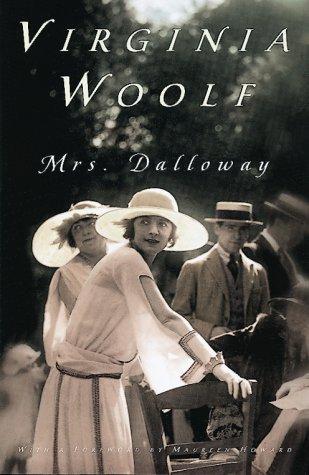
Mrs Dalloway by Virginia Woolf is a 1925 literary fiction book about consciousness, time and memory, class and gender. Woolf's dual plot — Clarissa's party preparations and Septimus's psychic disintegration — are never combined, but the structural rhyme between them is the novel's central argument: survival has a cost, and different people pay it differently.
Summary
Mrs Dalloway takes place over the course of a single June day in London in 1923, following Clarissa Dalloway — the wife of a politician, preparing for an evening party — and Septimus Warren Smith, a shell-shocked veteran who never intersects with Clarissa but exists in parallel throughout the novel. The Big Ben tolls mark time as both characters move through the city, their interior lives radically different in circumstance but mysteriously connected in Woolf's structuring intelligence.
The novel is organized by two questions it never answers directly: what does it cost to survive, and what is the relationship between social performance and inner life? Clarissa hosts parties, manages social niceties, navigates a marriage she chose and a life she sometimes feels she chose wrong. Septimus cannot perform at all; the war has broken his ability to participate in ordinary reality, and the doctors who treat him are interested only in restoring his surface function. The two characters never meet, but Septimus's fate at the end of the novel ripples into Clarissa's evening in a way that is the book's emotional climax.
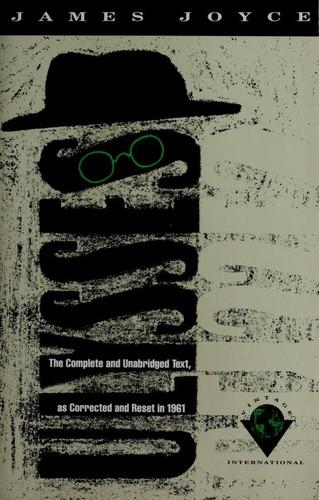
Woolf's technique is a modified stream of consciousness — not the unfiltered flow of Ulysses but a more shaped, lyrical interiority in which the narrator's voice and the character's thoughts blur together. The prose is very beautiful and very precise. Time functions fluidly: a chime of bells releases a cascade of memory that can span decades before returning to the present moment. This is the novel as consciousness, and Woolf is its most elegant practitioner.
Mrs Dalloway is one of the most teachable and most often taught modernist novels, which means it risks feeling like something you're supposed to admire rather than actually love. In fact, it's funnier than its reputation suggests, sharper about class and social performance than most readers expect, and more interested in the interior lives of women than almost anything written before it. At 63,000 words, it's also short enough to read in a single long sitting, which is how Woolf probably intended it to be experienced.
Talk to Mrs Dalloway like its author wrote you back.
Get the ideas that fit your life — not generic summaries.
- Chat with the book
- Audiobook-style main ideas
- Adapts to your life and goals
- Helps you take action
Key takeaways
- 1.
Woolf's dual plot — Clarissa's party preparations and Septimus's psychic disintegration — are never combined, but the structural rhyme between them is the novel's central argument: survival has a cost, and different people pay it differently.
- 2.
The treatment of Septimus by Dr. Holmes and Sir William Bradshaw is a precise indictment of how social norms get enforced on people who cannot or will not perform sanity. Woolf had direct experience with this.
- 3.
Time in the novel is both objective (Big Ben tolling, the day progressing) and radically subjective — a single moment can expand to hold decades of memory. The technique enacts Woolf's argument about how consciousness actually experiences duration.
- 4.
Clarissa's relationship with Sally Seton — her great love from youth, never fully processed — represents the road not taken, and Woolf renders it with more heat than she gives the Clarissa-Richard marriage.
- 5.
Peter Walsh, returned from India and still in love with Clarissa, provides the novel's most sustained ironic perspective. His self-delusion is rendered tenderly rather than satirically.
- 6.
The novel is deeply class-conscious. Clarissa's ability to choose her form of survival — party-giving, social grace — is a function of privilege. Septimus has no such cushion.
- 7.
Death in the novel is treated not as tragedy but as a kind of defiance — a communication that the social world cannot contain or explain. Clarissa's response to hearing of Septimus's suicide is the most complex moment in the book.
- 8.
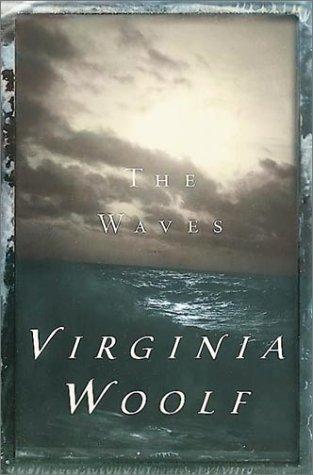
Woolf's prose style here is a midpoint between the relative accessibility of her early work and the greater abstraction of The Waves. It is the most readable entry point to her mature fiction.
Discussion questions
Use these on your own, with a book club, or as chat starters in Superbook. Book club version, ready to copy or print →
- 1.
Clarissa and Septimus never meet. How does Woolf make the parallel between them feel emotionally real rather than schematic?
- 2.
Septimus's shell shock is treated by the doctors in the novel as a problem of will or adjustment. How does Woolf position the reader relative to the medical establishment's view?
- 3.
Clarissa's response to Septimus's death — which she hears of at her own party — is the novel's climax. What does she feel, and why does Woolf place that revelation there?
- 4.
The Sally Seton thread is one of the most moving parts of the novel, even though Sally herself appears for only a few pages. What does Clarissa feel when she sees Sally at the party, and has time changed what that relationship means to her?
- 5.
Peter Walsh's interiority is rendered almost as fully as Clarissa's. Is he a sympathetic figure? Does the novel treat his attachment to Clarissa as romantic or as something more complicated?
- 6.
The novel was written in 1923, only five years after the end of the First World War. How much does that proximity shape what Woolf is doing with Septimus?
- 7.
Clarissa is often criticized as a shallow social figure — someone who has chosen performance over depth. Is that a fair reading, or does Woolf complicate it?
- 8.
Sir William Bradshaw, the psychiatrist, is the novel's clearest villain — but he's not melodramatic. How does Woolf make his brand of authority feel threatening?
- 9.
The Big Ben tolls structure the novel's time. How does that recurring image change in significance as the day progresses?
- 10.
Mrs Dalloway is one of the books that inspired Michael Cunningham's The Hours. Have you read The Hours, and if so, how does knowing the contemporary response to the novel change your reading of the original?
- 11.
The novel is short — under 65,000 words. Does its brevity feel right, or do you wish Woolf had developed certain threads further?
- 12.
Woolf was herself treated for mental illness in ways that closely resemble Septimus's treatment. Does knowing that biographical fact change how you read the Septimus sections?
Themes
Frequently asked questions
-
Is Mrs Dalloway hard to read?
Less difficult than Woolf's reputation sometimes suggests. The prose is lyrical and the stream-of-consciousness technique is more shaped than Joyce's — closer to a guided tour of interiority than a full immersion. Most readers find their footing within the first twenty pages.
-
What is Mrs Dalloway actually about?
On the surface, it's about a London socialite preparing a party and a shell-shocked veteran navigating the same June day. Below the surface it's about what it costs to survive, the relationship between social performance and inner life, and how modern medicine handles people who can't or won't conform.
-
Is Mrs Dalloway worth reading?
Yes, especially if you're interested in modernist fiction or in Woolf's essays. It's short, beautiful, and sharper about class and gender than its polished surface suggests. The Septimus thread gives it a weight that prevents it from being merely elegant.
-
Do I need to read To the Lighthouse or The Waves first?
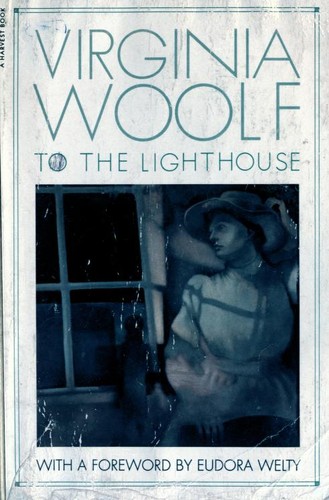
No — Mrs Dalloway is a self-contained novel and probably the most accessible entry point to Woolf's mature fiction. To the Lighthouse is slightly more demanding; The Waves is the most formally experimental of the three.
-
Who shouldn't read Mrs Dalloway?
Readers who want plot and external action will find it slow. The entire novel takes place over one day, and almost nothing happens in conventional narrative terms. If you're drawn to interiority and prose style, it's likely to reward you. If you're not, it may feel like beautiful stasis.