Psychology · Book club
Outliers: The Story of Success book club questions
Here are 12 book club questions for Outliers: The Story of Success by Malcolm Gladwell, ordered to open easily and end somewhere worth arguing about. Copy them, print them, or bring them up one at a time.
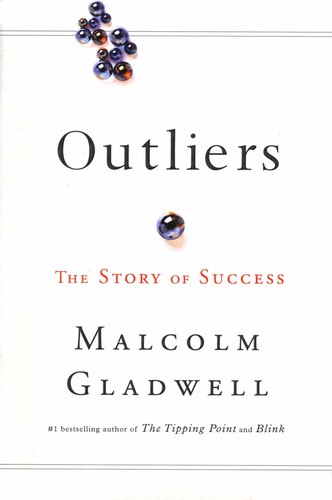
Outliers is Malcolm Gladwell's argument that exceptional success is less a product of individual genius or drive than it is of hidden advantages, timing, and accumulated opportunity.
Malcolm Gladwell · 2008 · 5h 15m
Full summary and key takeaways →The 12 questions
- 1.
Gladwell argues that most accounts of success obscure the role of circumstance. Think of a success story you've told about yourself. What hidden advantages were you not mentioning?
- 2.
The Canadian hockey birthdate effect suggests that arbitrary cutoff dates create compounding advantages. Where else in your own education or career have you seen a structural bias like this?
- 3.
The ten-thousand-hour rule implies that deliberate practice volume matters more than innate talent. How does that change how you evaluate your own potential in an area you've given up on?
- 4.
Gladwell profiles Chris Langan, a man with one of the highest IQs ever recorded who never broke through professionally. What does his story suggest about the limits of raw ability without practical intelligence?
- 5.
Practical intelligence — knowing how to work the system — is learned, not innate, and tends to correlate with class. Where in your own life have you benefited from knowing how to navigate institutions?
- 6.
The Bill Gates story depends on extraordinary access to a computer terminal in 1968. What rare resource did you have access to in formative years that shaped what you became good at?
- 7.
Gladwell argues that culture can transmit work habits across generations. Do you see that in your own family or ethnic background? Is the claim convincing to you?
- 8.
The book's rice-paddy chapter links a demanding agricultural tradition to mathematical aptitude. What's the strongest objection to that kind of long-range cultural causation argument?
- 9.
Outliers are defined partly by where they were born, when they were born, and who their parents were — factors they didn't choose. How does that sit with your intuitions about personal responsibility?
- 10.
Gladwell says we should build systems that create more outliers rather than hunt for exceptional individuals. What would that look like in an institution you know well — a school, a company, a sports program?
- 11.
Which person profiled in the book — Gates, the Beatles, Oppenheimer, Langan, or another — do you find most convincing as evidence for Gladwell's thesis? Which seems most like a stretch?
- 12.
If the ten-thousand-hour rule applies to your field, how far are you into those hours? Does the number feel motivating or deflating?
How to run the discussion
- Pick six to eight, not all of them. An hour of real discussion covers fewer questions than anyone expects, and racing the list is what makes a book club feel like homework.
- Open with what people noticed, not what they concluded. Asking for a verdict first hardens opinions before anyone has heard each other.
- Let the disagreement run. The questions below that split a room are the ones worth the time; the ones everyone answers the same way can be skipped.
- Ask the quiet person a specific question. A direct, narrow question is far easier to answer than an open invitation to contribute.
Themes worth steering toward
If the conversation stalls, these are the threads that usually restart it.
Common questions
What are good book club questions for Outliers: The Story of Success?
Here are 12 book club questions for Outliers: The Story of Success by Malcolm Gladwell, ordered to open easily and end somewhere worth arguing about. The strongest openers ask what each reader noticed rather than what they concluded, and the discussion usually turns on success, opportunity, culture.
How long should a book club discussion of Outliers: The Story of Success last?
Most groups run 60 to 90 minutes of actual discussion. That is roughly six to eight questions, not all of them, so pick the ones that suit your group rather than working down the list in order.
What are the main themes in Outliers: The Story of Success?
Success, Opportunity, Culture, Practice, Timing. Those are the threads most likely to divide a room, which makes them the useful places to steer a discussion that has gone quiet.
Picking the next one? See books like Outliers: The Story of Success or questions for other book club picks.
