Memoir · Book club
Persepolis: The Story of a Childhood book club questions
Here are 11 book club questions for Persepolis: The Story of a Childhood by Marjane Satrapi, ordered to open easily and end somewhere worth arguing about. Copy them, print them, or bring them up one at a time.
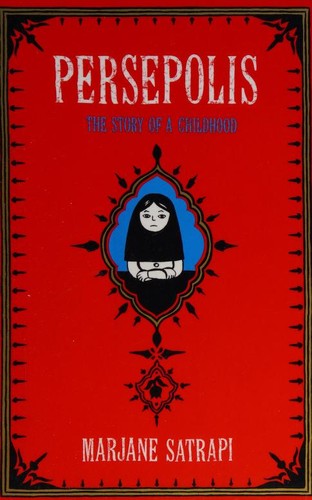
Persepolis is Marjane Satrapi's graphic memoir of growing up in Tehran during and after the 1979 Islamic Revolution.
Marjane Satrapi · 2003 · 2h 0m
Full summary and key takeaways →The 11 questions
- 1.
Satrapi uses a child narrator to tell a political story. What does that choice let her do that an adult narrator couldn't?
- 2.
How does the graphic form — the black-and-white images, the flat style — shape what the book can communicate? Would the same material work as straightforward prose?
- 3.
Satrapi's family is secular and politically engaged. How does their worldview influence what she sees and values? What might the story look like from a different family's perspective?
- 4.
The book shows ordinary people navigating survival under an increasingly repressive government. What different strategies do different characters use, and what costs do those strategies carry?
- 5.
Marji's relationship with her grandmother is central to the book's moral framework. What values does the grandmother embody, and how do they conflict with the world the state is trying to create?
- 6.
The humor in Persepolis is unexpected. Find a moment that struck you as darkly funny — what is Satrapi doing by allowing that tone in this subject matter?
- 7.
At several points, Marji holds contradictory ideas at the same time — admiring rebels and also fearing what they unleash. How does the book handle that kind of moral ambiguity?
- 8.
Why do you think Satrapi chose to end volume one with her departure for Vienna rather than earlier or later in the timeline?
- 9.
How does Persepolis complicate Western stereotypes about Iran and Iranians? What does it show that conventional news coverage of the Revolution typically missed?
- 10.
The book is a memoir, but Satrapi was drawing it years after the events. How much do you think the adult author is shaping what the child character notices and understands?
- 11.
What would you want to ask Satrapi about what she left out of the book?
How to run the discussion
- Pick six to eight, not all of them. An hour of real discussion covers fewer questions than anyone expects, and racing the list is what makes a book club feel like homework.
- Open with what people noticed, not what they concluded. Asking for a verdict first hardens opinions before anyone has heard each other.
- Let the disagreement run. The questions below that split a room are the ones worth the time; the ones everyone answers the same way can be skipped.
- Ask the quiet person a specific question. A direct, narrow question is far easier to answer than an open invitation to contribute.
Themes worth steering toward
If the conversation stalls, these are the threads that usually restart it.
Common questions
What are good book club questions for Persepolis: The Story of a Childhood?
Here are 11 book club questions for Persepolis: The Story of a Childhood by Marjane Satrapi, ordered to open easily and end somewhere worth arguing about. The strongest openers ask what each reader noticed rather than what they concluded, and the discussion usually turns on revolution, identity, coming-of-age.
How long should a book club discussion of Persepolis: The Story of a Childhood last?
Most groups run 60 to 90 minutes of actual discussion. That is roughly six to eight questions, not all of them, so pick the ones that suit your group rather than working down the list in order.
What are the main themes in Persepolis: The Story of a Childhood?
Revolution, Identity, Coming-of-age, Exile, Resistance. Those are the threads most likely to divide a room, which makes them the useful places to steer a discussion that has gone quiet.
Picking the next one? See books like Persepolis: The Story of a Childhood or questions for other book club picks.
