Memoir · Book club
Personal Memoirs of Ulysses S. Grant book club questions
Here are 11 book club questions for Personal Memoirs of Ulysses S. Grant by Ulysses S. Grant, ordered to open easily and end somewhere worth arguing about. Copy them, print them, or bring them up one at a time.
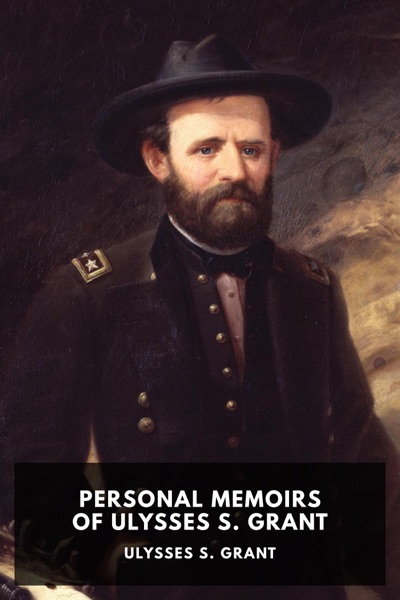
The 11 questions
- 1.
Mark Twain called these the finest American memoirs since Franklin's. Having read them, do you agree? What is the standard for that kind of assessment?
- 2.
Grant is notably generous to Lee and the Confederate cause while also making clear he believed the Union cause was right. How does he hold those two positions at once?
- 3.
His years of failure between the wars — farming, selling firewood, working at his father's leather goods store — seem to have formed something in him. What does the book suggest he took from that period?
- 4.
Grant's prose is praised for its clarity. Pick one battle description and read it closely. What specifically makes it work?
- 5.
He covers the Mexican-American War even though he privately considered it unjust. What does the decision to include it say about his sense of what a memoir owes to honesty?
- 6.
Grant was famously reluctant to discuss his own heroism. Is that reticence real, or is it its own kind of self-presentation?
- 7.
The memoirs stop at Appomattox and don't cover the presidency. Is that the right decision? What would be lost or gained if he had included it?
- 8.
Shiloh, where Grant was surprised and nearly defeated, is covered with characteristic directness. How does he account for that near-disaster?
- 9.
Grant argues that the Civil War was inevitable given the political trajectory of the preceding decades. Does the book support that argument, or does it suggest that individual decisions mattered more than structural forces?
- 10.
He was dying when he wrote this. Does knowing that change how you read the book's tone — the absence of bitterness, the generosity to opponents?
- 11.
Which of Grant's strategic principles — if any — translate to leadership outside of military contexts?
How to run the discussion
- Pick six to eight, not all of them. An hour of real discussion covers fewer questions than anyone expects, and racing the list is what makes a book club feel like homework.
- Open with what people noticed, not what they concluded. Asking for a verdict first hardens opinions before anyone has heard each other.
- Let the disagreement run. The questions below that split a room are the ones worth the time; the ones everyone answers the same way can be skipped.
- Ask the quiet person a specific question. A direct, narrow question is far easier to answer than an open invitation to contribute.
Themes worth steering toward
If the conversation stalls, these are the threads that usually restart it.
Common questions
What are good book club questions for Personal Memoirs of Ulysses S. Grant?
Here are 11 book club questions for Personal Memoirs of Ulysses S. Grant by Ulysses S. Grant, ordered to open easily and end somewhere worth arguing about. The strongest openers ask what each reader noticed rather than what they concluded, and the discussion usually turns on leadership, civil war, military strategy.
How long should a book club discussion of Personal Memoirs of Ulysses S. Grant last?
Most groups run 60 to 90 minutes of actual discussion. That is roughly six to eight questions, not all of them, so pick the ones that suit your group rather than working down the list in order.
What are the main themes in Personal Memoirs of Ulysses S. Grant?
Leadership, Civil War, Military strategy, Character under adversity, National identity. Those are the threads most likely to divide a room, which makes them the useful places to steer a discussion that has gone quiet.
Picking the next one? See books like Personal Memoirs of Ulysses S. Grant or questions for other book club picks.
