Science · Book club
Silent Spring book club questions
Here are 12 book club questions for Silent Spring by Rachel Carson, ordered to open easily and end somewhere worth arguing about. Copy them, print them, or bring them up one at a time.
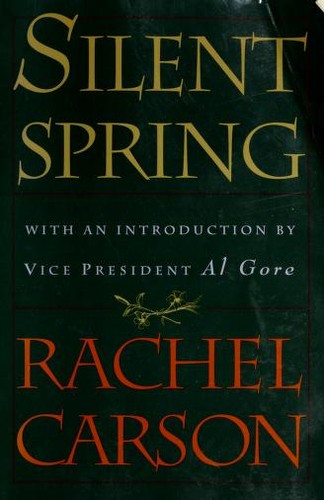
Silent Spring, published in 1962, is Rachel Carson's investigation of the effects of synthetic pesticides — particularly DDT and related organochlorines — on birds, fish, insects, and the broader ecological web.
Rachel Carson · 1962 · 6h 0m
Full summary and key takeaways →The 12 questions
- 1.
Carson's book was attacked before it was published. What tactics did the industry use, and how do they compare to current debates over scientific consensus on climate or chemicals?
- 2.
She distinguished between targeted and indiscriminate pesticide use. Is that distinction still relevant to agricultural debates today?
- 3.
The DDT ban has since been criticized for contributing to malaria deaths in Africa by restricting a tool that could control mosquitoes. How do you weigh those costs and benefits?
- 4.
Carson was personally attacked as 'hysterical' and dismissed partly because she was a woman. How does that history shape your thinking about who gets credibility in scientific debates?
- 5.
The book argues humans are part of nature rather than its masters. How does that framing sit with your intuitions about technological progress and human agency?
- 6.
Silent Spring contributed to environmental legislation but also to a broader anti-pesticide movement with some genuinely costly consequences. When does advocacy science cross into overclaim?
- 7.
Carson was dying of breast cancer while writing the book. Does knowing that change how you read her sense of urgency?
- 8.
Which chapter or specific case study in the book affected you most, and why?
- 9.
The agricultural chemical industry characterized Carson's book as alarmist. Fifty years later, how do we evaluate that characterization?
- 10.
Carson wrote for a general audience, not other scientists. What are the responsibilities of scientists who translate their work for public audiences?
- 11.
What environmental equivalent of DDT — a widely used substance whose full harms are not yet recognized — might we be living with now?
- 12.
How did the book change how you think about the relationship between government regulation and corporate claims about product safety?
How to run the discussion
- Pick six to eight, not all of them. An hour of real discussion covers fewer questions than anyone expects, and racing the list is what makes a book club feel like homework.
- Open with what people noticed, not what they concluded. Asking for a verdict first hardens opinions before anyone has heard each other.
- Let the disagreement run. The questions below that split a room are the ones worth the time; the ones everyone answers the same way can be skipped.
- Ask the quiet person a specific question. A direct, narrow question is far easier to answer than an open invitation to contribute.
Themes worth steering toward
If the conversation stalls, these are the threads that usually restart it.
Common questions
What are good book club questions for Silent Spring?
Here are 12 book club questions for Silent Spring by Rachel Carson, ordered to open easily and end somewhere worth arguing about. The strongest openers ask what each reader noticed rather than what they concluded, and the discussion usually turns on ecology, pesticides, environmental harm.
How long should a book club discussion of Silent Spring last?
Most groups run 60 to 90 minutes of actual discussion. That is roughly six to eight questions, not all of them, so pick the ones that suit your group rather than working down the list in order.
What are the main themes in Silent Spring?
Ecology, Pesticides, Environmental harm, Scientific evidence, Policy. Those are the threads most likely to divide a room, which makes them the useful places to steer a discussion that has gone quiet.
Picking the next one? See books like Silent Spring or questions for other book club picks.
