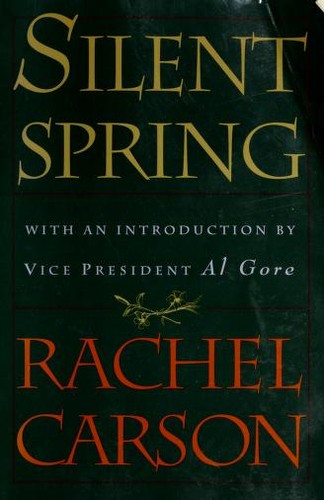
Silent Spring by Rachel Carson is a 1962 science book about ecology, pesticides, environmental harm. Pesticides like DDT do not stay where they are applied. They enter waterways, accumulate in soil, and biomagnify through food chains to concentrations far higher than any single application.
Summary
Silent Spring, published in 1962, is Rachel Carson's investigation of the effects of synthetic pesticides — particularly DDT and related organochlorines — on birds, fish, insects, and the broader ecological web. Carson was a marine biologist who had written several celebrated natural history books before turning to what she saw as an urgent public health and environmental crisis. The book's opening chapter, a fable about a town where spring arrives without birdsong, establishes the stakes before the scientific argument begins.
Carson's core case is that the indiscriminate aerial spraying programs of the 1950s, used to control agricultural pests and mosquitoes, were disrupting food chains in ways that federal agencies and the agricultural industry had failed to study or disclose. DDT and related compounds accumulate in fatty tissue and biomagnify up the food chain: insects ingest small doses, small birds eat many insects, larger predators eat many small birds. By the time the compounds reach eagles, ospreys, and other top predators, concentrations are high enough to interfere with calcium metabolism and cause eggshell thinning. The result was catastrophic population collapses among birds of prey, documented with field data Carson had gathered from scientists across the country.
The book was attacked before publication by the agricultural chemical industry, which attempted to prevent its release and then to discredit Carson personally. She was characterized as a hysterical woman with no credentials — she had a master's degree in biology and had been a senior scientist at the U.S. Fish and Wildlife Service. The attacks backfired. Silent Spring became an immediate bestseller, was serialized in The New Yorker, and prompted congressional hearings that ultimately contributed to the banning of DDT in the United States in 1972 and the founding of the Environmental Protection Agency in 1970.
Carson did not call for the total elimination of pesticides. She argued for restraint, specificity, and biological alternatives to broad-spectrum chemical saturation. Her larger argument was that humans are part of a natural system, not its masters, and that interventions in that system produce consequences that ripple far beyond the intended target.
Talk to Silent Spring like its author wrote you back.
Get the ideas that fit your life — not generic summaries.
- Chat with the book
- Audiobook-style main ideas
- Adapts to your life and goals
- Helps you take action
Key takeaways
- 1.
Pesticides like DDT do not stay where they are applied. They enter waterways, accumulate in soil, and biomagnify through food chains to concentrations far higher than any single application.
- 2.
Broad-spectrum insecticides kill beneficial insects — including natural predators of crop pests — creating the need for more pesticide application in a self-reinforcing cycle.
- 3.
Government agencies and industry presented pesticides to the public as safe without adequate long-term ecological study. The failure was one of transparency as well as science.
- 4.
DDT thinned eggshells in birds of prey, leading to catastrophic population collapses among eagles, ospreys, and peregrine falcons — populations that have only recovered since the 1972 ban.
- 5.
Biological pest control — using natural predators, sterile insect releases, and crop rotation — can be as effective as chemical control with far less collateral damage.
- 6.
The chemical industry's campaign against Carson demonstrated how industries threatened by regulation use disinformation and personal attacks to suppress inconvenient science.
- 7.
Carson's book helped establish the concept of ecological thinking: the idea that all parts of an ecosystem are connected, and that an intervention targeted at one species affects many others.
- 8.
Silent Spring was a significant catalyst for the modern environmental movement and influenced the creation of the EPA, the Clean Air Act, and the Clean Water Act.
Discussion questions
Use these on your own, with a book club, or as chat starters in Superbook. Book club version, ready to copy or print →
- 1.
Carson's book was attacked before it was published. What tactics did the industry use, and how do they compare to current debates over scientific consensus on climate or chemicals?
- 2.
She distinguished between targeted and indiscriminate pesticide use. Is that distinction still relevant to agricultural debates today?
- 3.
The DDT ban has since been criticized for contributing to malaria deaths in Africa by restricting a tool that could control mosquitoes. How do you weigh those costs and benefits?
- 4.
Carson was personally attacked as 'hysterical' and dismissed partly because she was a woman. How does that history shape your thinking about who gets credibility in scientific debates?
- 5.
The book argues humans are part of nature rather than its masters. How does that framing sit with your intuitions about technological progress and human agency?
- 6.
Silent Spring contributed to environmental legislation but also to a broader anti-pesticide movement with some genuinely costly consequences. When does advocacy science cross into overclaim?
- 7.
Carson was dying of breast cancer while writing the book. Does knowing that change how you read her sense of urgency?
- 8.
Which chapter or specific case study in the book affected you most, and why?
- 9.
The agricultural chemical industry characterized Carson's book as alarmist. Fifty years later, how do we evaluate that characterization?
- 10.
Carson wrote for a general audience, not other scientists. What are the responsibilities of scientists who translate their work for public audiences?
- 11.
What environmental equivalent of DDT — a widely used substance whose full harms are not yet recognized — might we be living with now?
- 12.
How did the book change how you think about the relationship between government regulation and corporate claims about product safety?
Themes
Frequently asked questions
-
Is Silent Spring still relevant?
Very much so. The specific pesticide — DDT — is mostly banned in wealthy countries, but the pattern Carson documented continues: regulatory failures, industry disinformation, ecological consequences of chemical use, and the politics of scientific evidence. The book reads less like history than like a template for current debates.
-
Was Carson right about everything?
Her core claims about DDT, food chain biomagnification, and ecological disruption have been thoroughly confirmed. Some specifics were incomplete or imprecise, as scientific understanding has advanced. Her advocacy case was stronger than she acknowledged — she sometimes chose the more alarming reading of ambiguous evidence. But the book's overall argument held up.
-
What effect did Silent Spring have?
It prompted congressional hearings, helped create the Environmental Protection Agency in 1970, contributed to the DDT ban in the US in 1972, and catalyzed the modern environmental movement. It is widely considered one of the most consequential books of the twentieth century.
-
What is Silent Spring about at its core?
Ecological interconnection: the idea that chemical interventions targeted at one species ripple through an entire food web with consequences nobody predicted. And the politics of those consequences — who profits from the chemicals, who studies the harms, and who decides what the public is told.
-
How does it read as prose?
Very well. Carson trained as a scientist but wrote with unusual clarity and occasional beauty. The opening fable and several descriptive passages read like nature writing. The scientific argument is clear enough for non-specialists, though the specificity of the evidence makes some sections dense.
Similar books
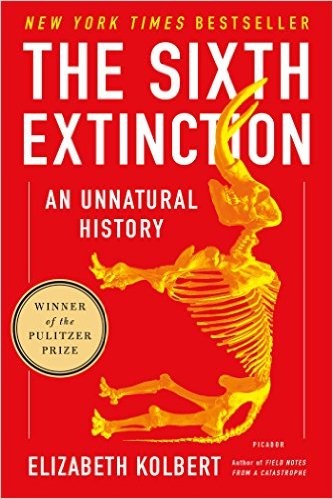
The Sixth Extinction: An Unnatural History
Elizabeth Kolbert
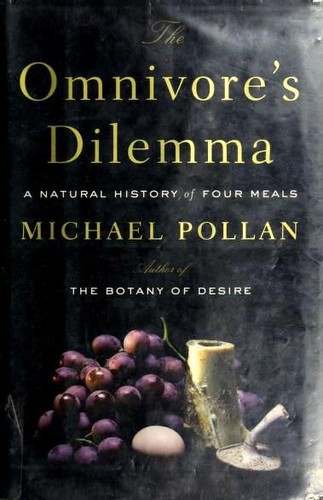
The Omnivore's Dilemma
Michael Pollan
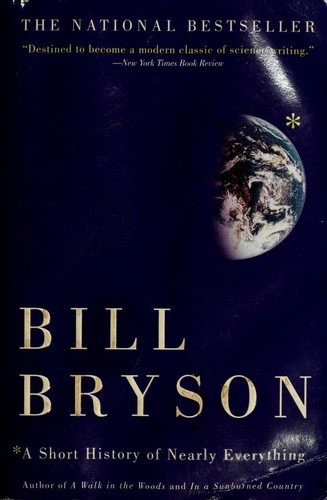
A Short History of Nearly Everything
Bill Bryson
The Selfish Gene
Richard Dawkins
