Business · Book club
The Art of the Start 2.0 book club questions
Here are 12 book club questions for The Art of the Start 2.0 by Guy Kawasaki, ordered to open easily and end somewhere worth arguing about. Copy them, print them, or bring them up one at a time.
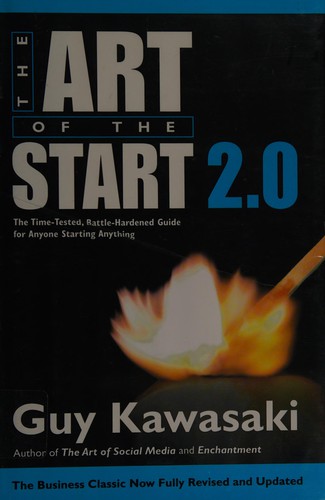
The Art of the Start 2.0 is Guy Kawasaki's updated guide to launching a company, product, or movement.
Guy Kawasaki · 2015 · 5h 0m
Full summary and key takeaways →The 12 questions
- 1.
Kawasaki says companies should start with a meaningful reason to exist beyond money. What's the meaningful reason behind a company you admire? What about one you've worked for?
- 2.
The 10/20/30 rule is now widely known. Have you sat through a pitch or presentation that violated it? What would it have looked like with those constraints applied?
- 3.
Kawasaki argues for launching before you're ready. What's the risk of that approach, and when, if ever, is waiting for polish the right call?
- 4.
Have you ever been in an organization where the founder or leader hired people less capable than themselves to avoid being challenged? What effect did that have?
- 5.
What's the closest thing to a 'first ten customers' moment in your professional experience — a time when you had to find early adopters the hard way?
- 6.
The book is a 2015 update of a 2004 original. Which pieces of advice feel timeless and which feel like artifacts of a particular moment in startup culture?
- 7.
Kawasaki is skeptical of too much market research before building. When does early customer feedback help, and when does it mislead?
- 8.
Most startup advice focuses on what founders should do. What does this book leave out about what founders should avoid?
- 9.
Kawasaki is an experienced evangelist. How much of entrepreneurship is fundamentally a persuasion problem, and how much is it an execution problem?
- 10.
The book is written primarily for founders starting new companies. How much of this advice applies inside a large organization to someone trying to launch a new initiative?
- 11.
Kawasaki says 'don't let the bozos grind you down.' What's the difference between a bozo and a legitimate critic, and how do you tell the difference in the moment?
- 12.
If you were writing this book today, what chapter would you add that isn't here?
How to run the discussion
- Pick six to eight, not all of them. An hour of real discussion covers fewer questions than anyone expects, and racing the list is what makes a book club feel like homework.
- Open with what people noticed, not what they concluded. Asking for a verdict first hardens opinions before anyone has heard each other.
- Let the disagreement run. The questions below that split a room are the ones worth the time; the ones everyone answers the same way can be skipped.
- Ask the quiet person a specific question. A direct, narrow question is far easier to answer than an open invitation to contribute.
Themes worth steering toward
If the conversation stalls, these are the threads that usually restart it.
Common questions
What are good book club questions for The Art of the Start 2.0?
Here are 12 book club questions for The Art of the Start 2.0 by Guy Kawasaki, ordered to open easily and end somewhere worth arguing about. The strongest openers ask what each reader noticed rather than what they concluded, and the discussion usually turns on entrepreneurship, startups, pitching.
How long should a book club discussion of The Art of the Start 2.0 last?
Most groups run 60 to 90 minutes of actual discussion. That is roughly six to eight questions, not all of them, so pick the ones that suit your group rather than working down the list in order.
What are the main themes in The Art of the Start 2.0?
Entrepreneurship, Startups, Pitching, Leadership, Innovation. Those are the threads most likely to divide a room, which makes them the useful places to steer a discussion that has gone quiet.
Picking the next one? See books like The Art of the Start 2.0 or questions for other book club picks.
