Thriller · Book club
The Constant Gardener book club questions
Here are 12 book club questions for The Constant Gardener by John le Carré, ordered to open easily and end somewhere worth arguing about. Copy them, print them, or bring them up one at a time.
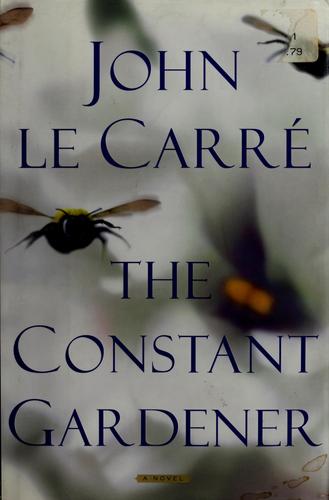
Justin Quayle is a mild, reserved British diplomat stationed in Kenya.
John le Carré · 2001 · 8h 0m
Full summary and key takeaways →The 12 questions
- 1.
Justin is defined by passivity for the first half of the novel. What changes him, and do you find that transformation credible?
- 2.
Tessa's activism is portrayed sympathetically, but she kept significant secrets from Justin. How do you weigh her honesty against her methods?
- 3.
The novel treats the British diplomatic corps as complicit in pharmaceutical exploitation. Is that indictment fair, or is le Carré too quick to assign collective guilt?
- 4.
Le Carré's earlier fiction is famously morally ambiguous. This novel is more polemical — the corporation is clearly the villain. Does the clarity weaken or strengthen the book?
- 5.
Justin's willingness to die for the truth he has uncovered is framed as love rather than heroism. Does that reframing hold up?
- 6.
How does Africa function in this novel — as a place, as a symbol, or as both? Does le Carré represent it with enough specificity to avoid making it simply a setting for a Western moral drama?
- 7.
The pharmaceutical industry trials depicted in this novel are based on real events. Does knowing that change how you read the fiction?
- 8.
Sandy Woodrow, Justin's colleague, is a man who chooses comfort over conscience. Is he a villain or just a recognizable human type?
- 9.
The British government's role in the cover-up is shown as mostly passive — silence and obstruction rather than active conspiracy. Is that a more damning portrait than direct villainy?
- 10.
How does this compare to le Carré's Cold War novels in terms of what it asks of the reader? What does it gain and what does it lose?
- 11.
The title refers to Justin's hobby. By the end, what has the gardening imagery accumulated to mean?
- 12.
The 2005 film adaptation won Rachel Weisz an Oscar. If you've seen it: what did the film get right and what did it sacrifice?
How to run the discussion
- Pick six to eight, not all of them. An hour of real discussion covers fewer questions than anyone expects, and racing the list is what makes a book club feel like homework.
- Open with what people noticed, not what they concluded. Asking for a verdict first hardens opinions before anyone has heard each other.
- Let the disagreement run. The questions below that split a room are the ones worth the time; the ones everyone answers the same way can be skipped.
- Ask the quiet person a specific question. A direct, narrow question is far easier to answer than an open invitation to contribute.
Themes worth steering toward
If the conversation stalls, these are the threads that usually restart it.
Common questions
What are good book club questions for The Constant Gardener?
Here are 12 book club questions for The Constant Gardener by John le Carré, ordered to open easily and end somewhere worth arguing about. The strongest openers ask what each reader noticed rather than what they concluded, and the discussion usually turns on corporate corruption, grief and love, african exploitation.
How long should a book club discussion of The Constant Gardener last?
Most groups run 60 to 90 minutes of actual discussion. That is roughly six to eight questions, not all of them, so pick the ones that suit your group rather than working down the list in order.
What are the main themes in The Constant Gardener?
Corporate corruption, Grief and love, African exploitation, Complicity and silence, Justice without institutions. Those are the threads most likely to divide a room, which makes them the useful places to steer a discussion that has gone quiet.
Picking the next one? See books like The Constant Gardener or questions for other book club picks.
