Religion & Spirituality · Book club
Dark Night of the Soul book club questions
Here are 12 book club questions for Dark Night of the Soul by John of the Cross, ordered to open easily and end somewhere worth arguing about. Copy them, print them, or bring them up one at a time.
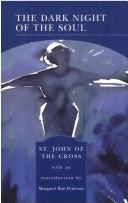
Dark Night of the Soul is a systematic commentary on a short poem John of the Cross wrote while imprisoned in Toledo in 1577.
John of the Cross · 1582 · 5h 30m
Full summary and key takeaways →The 12 questions
- 1.
John distinguishes the dark night from ordinary spiritual dryness caused by distraction or sin. How would you tell the difference from the inside?
- 2.
His diagnosis of 'spiritual beginners' — pride in practice, possessiveness of consolations — is sharp and specific. Do any of those patterns resonate with how you approach serious endeavors beyond prayer?
- 3.
John says God withdraws good feelings in prayer to free the person from dependence on feeling. What is the secular equivalent of this — the withdrawal of what we depend on that might actually be productive?
- 4.
The book argues that apparent darkness can be excessive light. Have you experienced a situation where confusion was actually the result of too much clarity — something too large to process rather than a void?
- 5.
John insists that passive suffering accomplishes more than active striving at a certain stage. Does that claim sit comfortably with your instincts about what makes progress happen?
- 6.
The concept of the 'dark night' has been borrowed widely in popular culture to describe any serious difficulty. Does that broader use honor or distort what John means?
- 7.
Which of John's seven 'spiritual sins' — spiritual pride, avarice, lust, wrath, gluttony, envy, sloth — do you think is most common in contemporary life, spiritual or otherwise?
- 8.
John wrote the original poem while imprisoned under harsh conditions by his own religious order. Does knowing that context change how you read the book?
- 9.
The second night — night of the spirit — is described as stripping away habitual ways of knowing God. What would it mean to lose your habitual ways of making sense of the world, and what might survive?
- 10.
John is confident that the dark night is purposive — it leads somewhere. What is required to hold that confidence when the experience itself provides no evidence of direction?
- 11.
How does John's account of suffering-as-purification compare to secular accounts of post-traumatic growth or the value of adversity?
- 12.
If you had to describe the 'dark night' concept to someone who had never heard it, in entirely non-religious terms, how would you do it?
How to run the discussion
- Pick six to eight, not all of them. An hour of real discussion covers fewer questions than anyone expects, and racing the list is what makes a book club feel like homework.
- Open with what people noticed, not what they concluded. Asking for a verdict first hardens opinions before anyone has heard each other.
- Let the disagreement run. The questions below that split a room are the ones worth the time; the ones everyone answers the same way can be skipped.
- Ask the quiet person a specific question. A direct, narrow question is far easier to answer than an open invitation to contribute.
Themes worth steering toward
If the conversation stalls, these are the threads that usually restart it.
Common questions
What are good book club questions for Dark Night of the Soul?
Here are 12 book club questions for Dark Night of the Soul by John of the Cross, ordered to open easily and end somewhere worth arguing about. The strongest openers ask what each reader noticed rather than what they concluded, and the discussion usually turns on spiritual purification, suffering, contemplation.
How long should a book club discussion of Dark Night of the Soul last?
Most groups run 60 to 90 minutes of actual discussion. That is roughly six to eight questions, not all of them, so pick the ones that suit your group rather than working down the list in order.
What are the main themes in Dark Night of the Soul?
Spiritual purification, Suffering, Contemplation, Mystical theology, Dark night. Those are the threads most likely to divide a room, which makes them the useful places to steer a discussion that has gone quiet.
Picking the next one? See books like Dark Night of the Soul or questions for other book club picks.
