Literary fiction · Book club
The Dutch House book club questions
Here are 12 book club questions for The Dutch House by Ann Patchett, ordered to open easily and end somewhere worth arguing about. Copy them, print them, or bring them up one at a time.
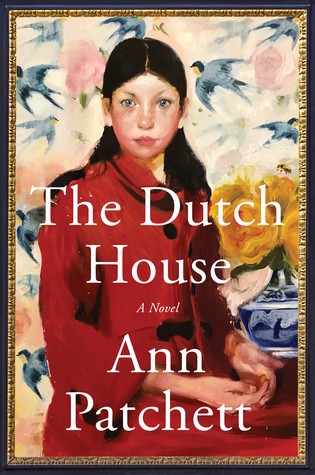
The Dutch House is narrated by Danny Conroy, who along with his sister Maeve grew up in an extraordinary mansion in the suburbs of Philadelphia — a house their father bought as a monument to his own success.
Ann Patchett · 2019 · 6h 0m
Full summary and key takeaways →The 12 questions
- 1.
Danny narrates from the future, which means he knows how things turn out. Does that foreknowledge make him reliable or does it shape the story in ways that aren't entirely honest?
- 2.
The mother abandoned her children to help the poor. Is she admirable, unforgiveable, or both? Does the novel ask you to choose?
- 3.
Maeve and Danny keep returning to park outside the Dutch House for decades. What does that ritual give them, and what does it cost them?
- 4.
Andrea the stepmother is often read as the novel's villain. Is that fair? What was she actually after, and do you understand her?
- 5.
The Dutch House is described almost magically. What does a house mean in this novel that couldn't be captured by a different kind of object or place?
- 6.
How does wealth function in the story? Would the same dynamics have played out in a less spectacular setting?
- 7.
The sibling bond is the most stable relationship in the book. Why do you think Patchett centered that over the romantic relationships?
- 8.
Did you find the ending satisfying? Does Patchett earn the note of resolution she reaches for?
- 9.
Compared to run-ann-patchett — what themes persist across Patchett's work? What does she keep returning to?
- 10.
Which character in the novel do you think is most self-deceived about their own motives?
- 11.
The fairy-tale elements — the beautiful house, the wicked stepmother, the expulsion — are clearly deliberate. Does that framework help or limit the novel?
- 12.
What would this story look like told from Maeve's perspective instead of Danny's?
How to run the discussion
- Pick six to eight, not all of them. An hour of real discussion covers fewer questions than anyone expects, and racing the list is what makes a book club feel like homework.
- Open with what people noticed, not what they concluded. Asking for a verdict first hardens opinions before anyone has heard each other.
- Let the disagreement run. The questions below that split a room are the ones worth the time; the ones everyone answers the same way can be skipped.
- Ask the quiet person a specific question. A direct, narrow question is far easier to answer than an open invitation to contribute.
Themes worth steering toward
If the conversation stalls, these are the threads that usually restart it.
Common questions
What are good book club questions for The Dutch House?
Here are 12 book club questions for The Dutch House by Ann Patchett, ordered to open easily and end somewhere worth arguing about. The strongest openers ask what each reader noticed rather than what they concluded, and the discussion usually turns on family and memory, wealth and class, abandonment.
How long should a book club discussion of The Dutch House last?
Most groups run 60 to 90 minutes of actual discussion. That is roughly six to eight questions, not all of them, so pick the ones that suit your group rather than working down the list in order.
What are the main themes in The Dutch House?
Family and memory, Wealth and class, Abandonment, Sibling bonds, The past's grip. Those are the threads most likely to divide a room, which makes them the useful places to steer a discussion that has gone quiet.
Picking the next one? See books like The Dutch House or questions for other book club picks.
