Economics · Book club
The House Hacking Strategy book club questions
Here are 12 book club questions for The House Hacking Strategy by Craig Curelop, ordered to open easily and end somewhere worth arguing about. Copy them, print them, or bring them up one at a time.
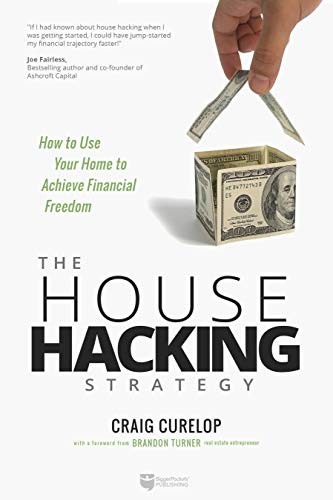
House hacking is the practice of buying a multi-unit or single-family property, living in one portion of it, and renting out the rest to offset or eliminate your housing payment.
Craig Curelop · 2019 · 3h 45m
Full summary and key takeaways →The 12 questions
- 1.
Curelop frames living discomfort as the price of the strategy. What level of discomfort would you actually tolerate, and for how long?
- 2.
How does house hacking compare to other paths to financial independence you've considered? What does it offer that they don't?
- 3.
The strategy depends on owner-occupant financing. How does your current financial profile — credit score, savings, income — affect your ability to execute it?
- 4.
Curelop used short-term rental platforms aggressively early on. How do local regulations in your market affect that option?
- 5.
What are the actual social costs of living next to or with tenants? How would that affect your relationships or daily life?
- 6.
The book is aimed at people willing to sacrifice comfort now for wealth later. At what point does a good deal stop being worth the personal cost?
- 7.
Curelop recommends repeating the process: buy, live in, move out, repeat. What would need to be true in your life to make that cycle feasible?
- 8.
How do you think about the difference between house hacking as a lifestyle and house hacking as a temporary strategy on the way to something else?
- 9.
What local market conditions make house hacking more or less viable where you live? Are multi-unit properties available and affordable?
- 10.
The book acknowledges landlord-tenant conflict. How would you handle a difficult tenant living steps from your bedroom?
- 11.
Curelop emphasizes running the numbers before buying. What would a minimum acceptable return look like for you, and why?
- 12.
If you couldn't house hack due to life constraints, what elements of the approach could you still apply to your existing housing situation?
How to run the discussion
- Pick six to eight, not all of them. An hour of real discussion covers fewer questions than anyone expects, and racing the list is what makes a book club feel like homework.
- Open with what people noticed, not what they concluded. Asking for a verdict first hardens opinions before anyone has heard each other.
- Let the disagreement run. The questions below that split a room are the ones worth the time; the ones everyone answers the same way can be skipped.
- Ask the quiet person a specific question. A direct, narrow question is far easier to answer than an open invitation to contribute.
Themes worth steering toward
If the conversation stalls, these are the threads that usually restart it.
Common questions
What are good book club questions for The House Hacking Strategy?
Here are 12 book club questions for The House Hacking Strategy by Craig Curelop, ordered to open easily and end somewhere worth arguing about. The strongest openers ask what each reader noticed rather than what they concluded, and the discussion usually turns on real estate investing, house hacking, financial independence.
How long should a book club discussion of The House Hacking Strategy last?
Most groups run 60 to 90 minutes of actual discussion. That is roughly six to eight questions, not all of them, so pick the ones that suit your group rather than working down the list in order.
What are the main themes in The House Hacking Strategy?
Real estate investing, House hacking, Financial independence, Rental income, Personal finance. Those are the threads most likely to divide a room, which makes them the useful places to steer a discussion that has gone quiet.
Picking the next one? See books like The House Hacking Strategy or questions for other book club picks.
