Memoir · Book club
The Lonely City: Adventures in the Art of Being Alone book club questions
Here are 12 book club questions for The Lonely City: Adventures in the Art of Being Alone by Olivia Laing, ordered to open easily and end somewhere worth arguing about. Copy them, print them, or bring them up one at a time.
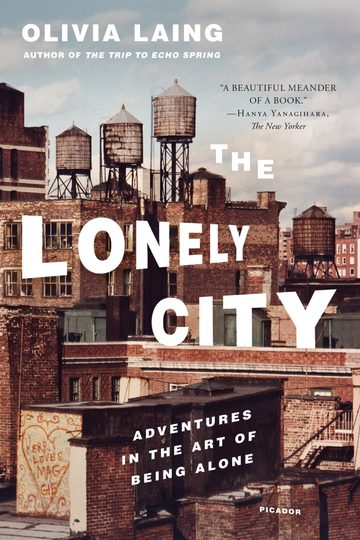
The Lonely City is Olivia Laing's memoir-essay hybrid about a period of acute loneliness she experienced after moving to New York City following the collapse of a relationship.
Olivia Laing · 2016 · 5h 15m
Full summary and key takeaways →The 12 questions
- 1.
Laing argues that loneliness is partly a structural problem, not just an emotional one. What structures in your own life produce or reduce it?
- 2.
She spends a chapter on Hopper, whose paintings show people alone in public spaces. Which Hopper painting would you most likely find yourself in?
- 3.
Warhol used machines, repetition, and surfaces as a kind of armor. What are your own versions of that armor?
- 4.
Darger made thousands of pages of art that no one saw. Does art need an audience to be art? What would it mean to make something only for yourself?
- 5.
Laing distinguishes loneliness from solitude. What's the difference for you? Is there a kind of aloneness you actively seek?
- 6.
She writes about the particular loneliness of being sick in a city that doesn't see you — the AIDS crisis as political abandonment. When have you felt invisible to a system?
- 7.
The book suggests that art made in loneliness can reach across time to people it wasn't intended for. Have you ever felt that a work of art was made specifically for you, even though that's impossible?
- 8.
Laing moves through New York as an outsider. What does it feel like to walk through a city where nobody knows you? Is it freeing, disorienting, or both?
- 9.
How does the internet change the experience she describes? Would her New York loneliness have been different with a smartphone and social media?
- 10.
She never fully resolves her loneliness in the book. Does that feel honest, or does it frustrate you? What would resolution even look like?
- 11.
Which of the artists she profiles do you find most sympathetic, and why?
- 12.
Laing turns her own painful experience into something publicly useful — a book. What have you transformed from pain into something shareable?
How to run the discussion
- Pick six to eight, not all of them. An hour of real discussion covers fewer questions than anyone expects, and racing the list is what makes a book club feel like homework.
- Open with what people noticed, not what they concluded. Asking for a verdict first hardens opinions before anyone has heard each other.
- Let the disagreement run. The questions below that split a room are the ones worth the time; the ones everyone answers the same way can be skipped.
- Ask the quiet person a specific question. A direct, narrow question is far easier to answer than an open invitation to contribute.
Themes worth steering toward
If the conversation stalls, these are the threads that usually restart it.
Common questions
What are good book club questions for The Lonely City: Adventures in the Art of Being Alone?
Here are 12 book club questions for The Lonely City: Adventures in the Art of Being Alone by Olivia Laing, ordered to open easily and end somewhere worth arguing about. The strongest openers ask what each reader noticed rather than what they concluded, and the discussion usually turns on loneliness, urban isolation, art and creativity.
How long should a book club discussion of The Lonely City: Adventures in the Art of Being Alone last?
Most groups run 60 to 90 minutes of actual discussion. That is roughly six to eight questions, not all of them, so pick the ones that suit your group rather than working down the list in order.
What are the main themes in The Lonely City: Adventures in the Art of Being Alone?
Loneliness, Urban isolation, Art and creativity, Connection, Identity. Those are the threads most likely to divide a room, which makes them the useful places to steer a discussion that has gone quiet.
Picking the next one? See books like The Lonely City: Adventures in the Art of Being Alone or questions for other book club picks.
