Philosophy · Book club
The Problem of Pain book club questions
Here are 12 book club questions for The Problem of Pain by C. S. Lewis, ordered to open easily and end somewhere worth arguing about. Copy them, print them, or bring them up one at a time.
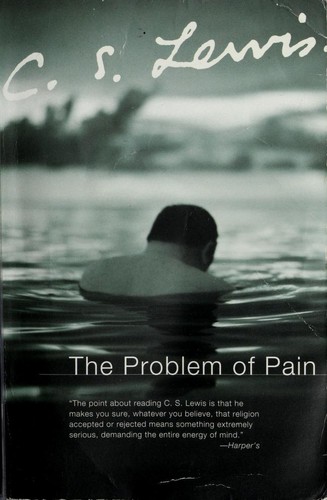
The Problem of Pain is Lewis's systematic attempt to answer one of the oldest and most persistent objections to theism: if God is good and all-powerful, why does pain exist?
C. S. Lewis · 1940 · 3h 0m
Full summary and key takeaways →The 12 questions
- 1.
Lewis distinguishes divine goodness from sentimental kindness. Does that distinction do real philosophical work for you, or does it feel like a redefinition that avoids the original problem?
- 2.
He argues that free will explains much human-caused suffering. What suffering does that explanation leave unexplained, and how does Lewis handle those cases?
- 3.
Lewis uses the surgeon and the parent as analogies for God's relationship to pain. Where do those analogies hold up, and where do they break down?
- 4.
He acknowledges that animal pain is the hardest case. Does his tentative response satisfy you? What would a more adequate answer need to look like?
- 5.
Lewis later wrote A Grief Observed after his wife's death, in which the tidy frameworks of The Problem of Pain felt hollow. What does that sequence tell us about the difference between theodicy in theory and in grief?
- 6.
The claim that hell is locked from the inside — that damnation is the culmination of a free choice — is one of Lewis's most famous ideas. Does it make the concept of hell more or less troubling?
- 7.
Lewis argues that the world is not designed for comfort but for soul-making. Is that a reassuring idea or a disturbing one?
- 8.
He says pain is God's megaphone. Have you experienced suffering that, in retrospect, seemed to open something in you that comfort had closed? How does that experience relate to Lewis's argument?
- 9.
How does The Problem of Pain compare to other theodicies you're aware of? Where is Lewis's account stronger or weaker than alternative approaches?
- 10.
Lewis wrote this book before major personal loss. A Grief Observed, written after, sounds very different. What do you make of that difference?
- 11.
The book is explicitly Christian. Can his argument about the constructive function of suffering be detached from its theological premises and applied more broadly?
- 12.
What is the strongest objection to Lewis's theodicy that he does not fully anticipate?
How to run the discussion
- Pick six to eight, not all of them. An hour of real discussion covers fewer questions than anyone expects, and racing the list is what makes a book club feel like homework.
- Open with what people noticed, not what they concluded. Asking for a verdict first hardens opinions before anyone has heard each other.
- Let the disagreement run. The questions below that split a room are the ones worth the time; the ones everyone answers the same way can be skipped.
- Ask the quiet person a specific question. A direct, narrow question is far easier to answer than an open invitation to contribute.
Themes worth steering toward
If the conversation stalls, these are the threads that usually restart it.
Common questions
What are good book club questions for The Problem of Pain?
Here are 12 book club questions for The Problem of Pain by C. S. Lewis, ordered to open easily and end somewhere worth arguing about. The strongest openers ask what each reader noticed rather than what they concluded, and the discussion usually turns on suffering, theodicy, faith.
How long should a book club discussion of The Problem of Pain last?
Most groups run 60 to 90 minutes of actual discussion. That is roughly six to eight questions, not all of them, so pick the ones that suit your group rather than working down the list in order.
What are the main themes in The Problem of Pain?
Suffering, Theodicy, Faith, Evil, Human nature. Those are the threads most likely to divide a room, which makes them the useful places to steer a discussion that has gone quiet.
Picking the next one? See books like The Problem of Pain or questions for other book club picks.
