Philosophy · Book club
The Seat of the Soul book club questions
Here are 12 book club questions for The Seat of the Soul by Gary Zukav, ordered to open easily and end somewhere worth arguing about. Copy them, print them, or bring them up one at a time.
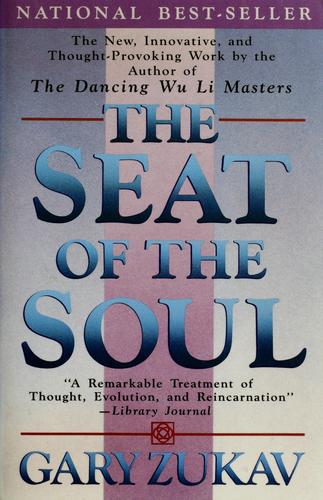
The Seat of the Soul, published in 1989, is Gary Zukav's attempt to construct a framework for human evolution centered not on the five senses but on the soul.
Gary Zukav · 1989 · 5h 30m
Full summary and key takeaways →The 12 questions
- 1.
Zukav distinguishes external power from authentic power. Where in your own life are you pursuing one when you want the other?
- 2.
He argues that intention is more important than action. Can you think of a recent moment when your action looked right but your intention was something you're less proud of?
- 3.
What would it mean in practice to make every significant decision by asking 'What is the most loving choice I can make here?'
- 4.
Zukav says karma is educational rather than punitive. Does that reframing change how you think about a painful pattern in your own life?
- 5.
How do you tell the difference between an intuition worth trusting and a projection worth questioning?
- 6.
The book claims spiritual partnerships are different from ordinary relationships of need. Which relationships in your life feel most like genuine spiritual partnerships? What makes them different?
- 7.
Zukav insists that the non-physical is real. What's your honest assessment of that claim — what would you need to take it seriously?
- 8.
He argues the soul is not the personality. If you accepted that distinction, how would it change the way you handle the parts of yourself you dislike?
- 9.
What does 'authentic power' look like in the specific context of your work or career?
- 10.
The book was written in 1989. Which of its ideas feel more relevant now than they would have then, and which feel dated?
- 11.
Zukav says fear-based choices create karma; love-based choices do not. Walk through a fear-based choice you've made. What was the fear, and what learning followed?
- 12.
If you genuinely believed your soul chose this particular life for its growth potential, how would that change how you relate to your current difficulties?
How to run the discussion
- Pick six to eight, not all of them. An hour of real discussion covers fewer questions than anyone expects, and racing the list is what makes a book club feel like homework.
- Open with what people noticed, not what they concluded. Asking for a verdict first hardens opinions before anyone has heard each other.
- Let the disagreement run. The questions below that split a room are the ones worth the time; the ones everyone answers the same way can be skipped.
- Ask the quiet person a specific question. A direct, narrow question is far easier to answer than an open invitation to contribute.
Themes worth steering toward
If the conversation stalls, these are the threads that usually restart it.
Common questions
What are good book club questions for The Seat of the Soul?
Here are 12 book club questions for The Seat of the Soul by Gary Zukav, ordered to open easily and end somewhere worth arguing about. The strongest openers ask what each reader noticed rather than what they concluded, and the discussion usually turns on soul, intention, spiritual growth.
How long should a book club discussion of The Seat of the Soul last?
Most groups run 60 to 90 minutes of actual discussion. That is roughly six to eight questions, not all of them, so pick the ones that suit your group rather than working down the list in order.
What are the main themes in The Seat of the Soul?
Soul, Intention, Spiritual growth, Consciousness, Authenticity. Those are the threads most likely to divide a room, which makes them the useful places to steer a discussion that has gone quiet.
Picking the next one? See books like The Seat of the Soul or questions for other book club picks.
