Talk to The Song of Achilles like its author wrote you back.
Get the ideas that fit your life — not generic summaries.
- Chat with the book
- Audiobook-style main ideas
- Adapts to your life and goals
- Helps you take action
The Song of Achilles, in detail
The Song of Achilles retells the story of the Trojan War through the eyes of Patroclus, a clumsy and unexceptional prince who is exiled in childhood and sent to be raised alongside Achilles at Peleus's court. Patroclus is the narrator, and what he narrates is a love story — his own slow understanding that he loves Achilles, Achilles's certainty that the feeling is mutual, and the arc of their partnership from boyhood through the siege of Troy. Madeline Miller is not revising the myth so much as illuminating what Homer treats as known: that the relationship between Achilles and Patroclus was the center of the Iliad's emotional world.
The book is about what it costs to be bound to greatness and what greatness costs the person who possesses it. Achilles is beautiful, physically perfect, fated for glory — and Miller shows that fate as a trap. He was shaped before he could choose, given only one life-path: die at Troy and be remembered forever, or live in obscurity. Patroclus chose Achilles; Achilles did not choose his fate. The novel's heartbreak is structural: you know from the beginning how it ends, and that knowledge makes every happy scene elegiac.
The prose is precise and clear, occasionally luminous. Miller trained as a Classicist and it shows in how the mythological world functions — the logic of prophecy, divine interference, and heroic code is internally consistent. The Trojan War backdrop is rendered vividly but always subordinated to the intimate story. The Achilles and Patroclus relationship is given the full weight of a great love story without being sentimentalized; Miller trusts that the reader understands what loss means.
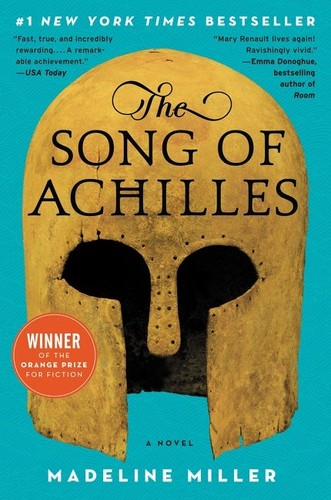
The Song of Achilles is the kind of novel where you find yourself reading slower near the end. It won the Orange Prize for Fiction in 2012 and has accumulated a devoted readership, particularly among readers who came to it via social media recommendations years after publication. If you already know the Iliad, the novel is a companion that deepens what you know. If you don't, it functions as a beautiful gateway into that world.
The big ideas
- 1.
Patroclus's ordinariness is deliberate — narrating from the margins of legend gives Miller access to emotions the heroic tradition excludes.
- 2.
The prophecy that structures Achilles's life is not a gift but a prison; Miller is interested in what heroic destiny actually costs.
- 3.
The love between Achilles and Patroclus is the novel's center — Miller makes it specific and physical without making it mythological.
