Literary fiction · Book club
The Trial book club questions
Here are 12 book club questions for The Trial by Franz Kafka, ordered to open easily and end somewhere worth arguing about. Copy them, print them, or bring them up one at a time.
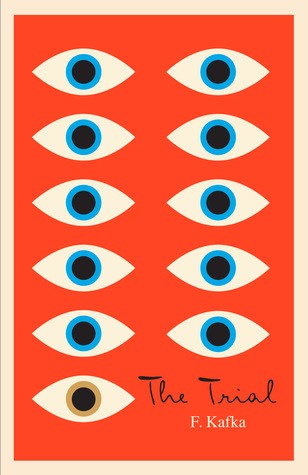
On the morning of his thirtieth birthday, Josef K.
Franz Kafka · 1925 · 4h 45m
Full summary and key takeaways →The 12 questions
- 1.
K. insists throughout that he is innocent. Does the novel seem to agree with him, or is it more ambiguous about what guilt even means in this context?
- 2.
The Court exists in ramshackle offices, attics, apartments. What does its physical setting say about how Kafka conceives of institutional power?
- 3.
K. never seriously considers ignoring the proceedings. Why does he keep engaging with a system he can see is irrational?
- 4.
The lawyer Huld delays and obfuscates rather than defending. Is he a villain, or is he just being honest about what the Court requires?
- 5.
The parable 'Before the Law' — the man who waits his whole life for a door meant only for him — does it give you more clarity about K.'s situation, or more dread?
- 6.
K. meets several women — Fräulein Bürstner, Leni, the court usher's wife — and the encounters are all slightly off. What is Kafka doing with gender and desire in this novel?
- 7.
By the end, K. goes almost willingly to his execution. Has he been broken, or has he reached some kind of acceptance that the novel treats as legitimate?
- 8.
The Trial was written between 1914 and 1915. How much of it reads as World War I anxiety, and how much reads as something more universal?
- 9.
Compared to 1984, where the terror is explicit and political, The Trial's horror is procedural and depersonalized. Which feels more true to how power actually operates?
- 10.
The book was left unfinished and Kafka asked for it to be destroyed. Does knowing that change how you read the ending he did write?
- 11.
Is K. sympathetic? He can also be arrogant, dismissive, and self-absorbed. Does the novel want you to like him, or just to recognize him?
- 12.
Kafka worked as a lawyer in an insurance bureaucracy. How much of The Trial feels like satire of a specific institution, and how much feels like metaphysics?
How to run the discussion
- Pick six to eight, not all of them. An hour of real discussion covers fewer questions than anyone expects, and racing the list is what makes a book club feel like homework.
- Open with what people noticed, not what they concluded. Asking for a verdict first hardens opinions before anyone has heard each other.
- Let the disagreement run. The questions below that split a room are the ones worth the time; the ones everyone answers the same way can be skipped.
- Ask the quiet person a specific question. A direct, narrow question is far easier to answer than an open invitation to contribute.
Themes worth steering toward
If the conversation stalls, these are the threads that usually restart it.
Common questions
What are good book club questions for The Trial?
Here are 12 book club questions for The Trial by Franz Kafka, ordered to open easily and end somewhere worth arguing about. The strongest openers ask what each reader noticed rather than what they concluded, and the discussion usually turns on bureaucratic absurdity, guilt and innocence, power and helplessness.
How long should a book club discussion of The Trial last?
Most groups run 60 to 90 minutes of actual discussion. That is roughly six to eight questions, not all of them, so pick the ones that suit your group rather than working down the list in order.
What are the main themes in The Trial?
Bureaucratic absurdity, Guilt and innocence, Power and helplessness, Identity under pressure, Modern alienation. Those are the threads most likely to divide a room, which makes them the useful places to steer a discussion that has gone quiet.
Picking the next one? See books like The Trial or questions for other book club picks.
