Health · Book club
The Upside of Stress book club questions
Here are 12 book club questions for The Upside of Stress by Kelly McGonigal, ordered to open easily and end somewhere worth arguing about. Copy them, print them, or bring them up one at a time.
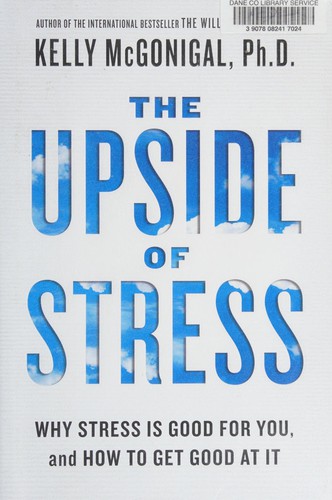
The Upside of Stress is Kelly McGonigal's evidence-based argument that the harm of stress is mediated less by stress itself than by the belief that stress is harmful.
Kelly McGonigal · 2015 · 5h 20m
Full summary and key takeaways →The 12 questions
- 1.
The central finding of the book is that believing stress is harmful is itself harmful. Does that claim feel like blaming the victim, or does it genuinely reframe your relationship with stress?
- 2.
McGonigal opens by admitting she spent her career teaching people that stress is harmful and then reversed that position. How do you evaluate a thinker who publicly changes their view?
- 3.
Have you ever experienced a stressor that felt different because you interpreted it as a challenge rather than a threat? What made that reappraisal possible?
- 4.
She covers the tend-and-befriend response — stress that connects you to others. Can you identify times in your life when shared stress strengthened a relationship?
- 5.
The book argues that avoiding stress means avoiding the things that matter most to you. Is that argument convincing? Does the evidence change how you make decisions about what to take on?
- 6.
McGonigal distinguishes between good stress (from things you care about) and bad stress (meaningless or imposed). Is that distinction coherent in practice? How do you tell them apart?
- 7.
The stress mindset intervention involves reappraising body sensations — racing heart as energy rather than anxiety. Have you tried something like this? Did it work?
- 8.
She covers how the stress of caring for others activates oxytocin and prosocial behavior. Does thinking about caretaking stress as a form of love rather than a burden change how you experience it?
- 9.
The book is sometimes categorized as positive psychology. Is there a risk that the 'upside of stress' message is used to normalize genuinely harmful levels of stress or exploitative working conditions?
- 10.
McGonigal argues that the stress-is-harmful message has been culturally absorbed and is doing damage. Where do you see that message operating in your own environment?
- 11.
The research she cites is real but the book's prescriptive claims are ambitious. How much confidence do you have that a mindset change can actually alter the physiological stress response significantly?
- 12.
If you applied the stress mindset reappraisal to the single most stressful thing in your life right now, what would change about how you experience it?
How to run the discussion
- Pick six to eight, not all of them. An hour of real discussion covers fewer questions than anyone expects, and racing the list is what makes a book club feel like homework.
- Open with what people noticed, not what they concluded. Asking for a verdict first hardens opinions before anyone has heard each other.
- Let the disagreement run. The questions below that split a room are the ones worth the time; the ones everyone answers the same way can be skipped.
- Ask the quiet person a specific question. A direct, narrow question is far easier to answer than an open invitation to contribute.
Themes worth steering toward
If the conversation stalls, these are the threads that usually restart it.
Common questions
What are good book club questions for The Upside of Stress?
Here are 12 book club questions for The Upside of Stress by Kelly McGonigal, ordered to open easily and end somewhere worth arguing about. The strongest openers ask what each reader noticed rather than what they concluded, and the discussion usually turns on stress, mindset, resilience.
How long should a book club discussion of The Upside of Stress last?
Most groups run 60 to 90 minutes of actual discussion. That is roughly six to eight questions, not all of them, so pick the ones that suit your group rather than working down the list in order.
What are the main themes in The Upside of Stress?
Stress, Mindset, Resilience, Psychology, Health beliefs. Those are the threads most likely to divide a room, which makes them the useful places to steer a discussion that has gone quiet.
Picking the next one? See books like The Upside of Stress or questions for other book club picks.
