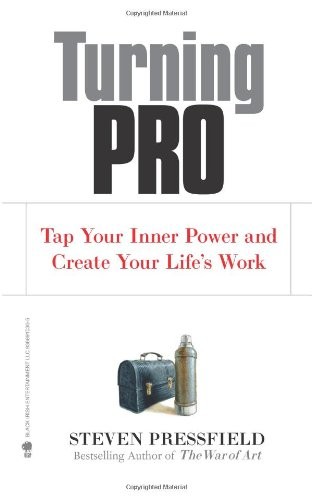
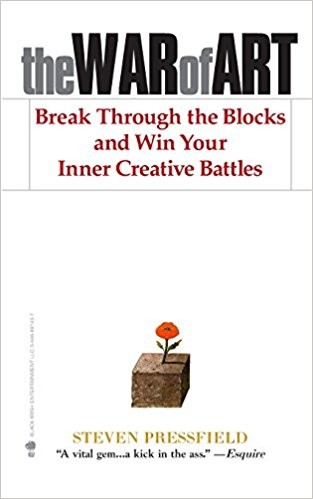
The War of Art by Steven Pressfield is a 2002 self-help book about creativity, resistance, discipline. Resistance is the internal force that opposes all creative and self-improving work. It is universal, experienced by every creative person, and strongest precisely around the work that matters most.
Summary
The War of Art is Steven Pressfield's short, blunt manual for anyone who creates — or wants to create — and finds themselves blocked, procrastinating, or unable to start. The central concept is Resistance: the force that opposes all acts of creative work, self-improvement, or any movement toward a higher calling. Pressfield personifies it, treating it as a malevolent intelligence that knows your weaknesses and deploys them strategically. Resistance appears as procrastination, self-doubt, rationalization, distraction, and the urgent demands of everything except the work.
The first section of the book is a diagnosis: what Resistance is, how it operates, and how to recognize it in your own behavior. Pressfield is ruthless here. He argues that the higher the calling, the stronger the Resistance; that the activities we most need to do are precisely those we resist most intensely. He also argues that Resistance is universal — every creative person, including accomplished professionals, faces it daily.
The second section introduces the Professional: the person who has learned to show up and work regardless of inspiration, mood, or circumstance. The Professional treats creative work as a job, not a spiritual event. They don't wait to feel ready. They don't negotiate with Resistance. They show up, put in the hours, and go home. This section is deliberately anti-romantic about creative work: it insists that talent matters far less than showing up.
The third section takes a more spiritual turn, drawing on the Muse tradition and the idea that creative work connects us to something beyond the self. Not every reader finds this section equally convincing, but Pressfield uses it to argue that the work itself has a kind of pull — that when you commit to it, forces align to support you. Short and uncompromising, The War of Art is best read in a single sitting.
Talk to The War of Art like its author wrote you back.
Get the ideas that fit your life — not generic summaries.
- Chat with the book
- Audiobook-style main ideas
- Adapts to your life and goals
- Helps you take action
Key takeaways
- 1.
Resistance is the internal force that opposes all creative and self-improving work. It is universal, experienced by every creative person, and strongest precisely around the work that matters most.
- 2.
Resistance disguises itself as rationalization, procrastination, self-doubt, and the demands of others. Learning to recognize it — rather than comply with it — is the first step.
- 3.
The higher the calling, the greater the Resistance. The fact that you are strongly resisting something is evidence that it matters.
- 4.
The Professional shows up every day, regardless of inspiration or mood. They treat creative work as a job with hours, not as a spiritual event that requires perfect conditions.
- 5.
Amateurs work when they feel like it; Professionals work because it is their craft and their commitment. The shift from amateur to professional is a decision, not an achievement.
- 6.
Fear is a reliable compass: whatever you most fear doing is almost certainly what you most need to do.
- 7.
Rationalization is Resistance in intellectual disguise. Any sufficiently clever reason not to work today is suspect.
- 8.
Committing to the work — turning professional — creates conditions for the work to improve. You cannot wait until the work is good enough to commit; you commit first.
Discussion questions
Use these on your own, with a book club, or as chat starters in Superbook. Book club version, ready to copy or print →
- 1.
What is the creative or self-improving work you most consistently resist? When you notice yourself avoiding it, what form does the avoidance take?
- 2.
Pressfield argues that the things we resist most are the things that matter most. Does that match your experience? Where have you found it to be true?
- 3.
He distinguishes the Amateur from the Professional. In what area of your life are you still operating as an amateur — waiting for perfect conditions instead of showing up?
- 4.
Fear as a compass: what are you most afraid to try that you haven't yet tried? What would it mean to treat that fear as direction rather than warning?
- 5.
The book is very short and very blunt. Does that tone land for you, or does it feel like oversimplification? What's missing from Pressfield's diagnosis of creative block?
- 6.
What's your most reliable form of rationalization — the intelligent-sounding reason you give yourself for not starting the work?
- 7.
Pressfield's Professional doesn't negotiate with Resistance. Where in your creative or professional life are you still negotiating?
- 8.
He argues that committing to the work — showing up consistently — transforms the quality of the work over time. Have you experienced this in any domain?
- 9.
The third section is more spiritual than the first two. Did you find it strengthened or weakened the book? What does 'invoking the Muse' mean to you in practice?
- 10.
What would your creative output look like if you applied the Professional standard for just thirty days?
- 11.
Who in your life models the Professional approach — someone who shows up for their important work regardless of mood or circumstance?
- 12.
Pressfield wrote this book after years of struggling himself. Does knowing the author's backstory change how you read the advice?
Themes
Frequently asked questions
-
Is The War of Art worth reading?
Yes, if you do any kind of creative work and find yourself consistently blocked or procrastinating. It is deliberately short and blunt — you can read it in one sitting — and the concept of Resistance is genuinely useful as a mental model. The spiritual third section is uneven, but the first two sections are among the most honest things written about creative block.
-
How long does it take to read The War of Art?
About two to three hours. The chapters are short, sometimes just a paragraph or two. Most readers finish it in a single sitting.
-
What is Resistance in The War of Art?
Pressfield's personification of the internal force that opposes creative work, self-improvement, and any call to higher purpose. It appears as procrastination, self-doubt, rationalization, and distraction. He argues it is universal, predictable, and strongest around the work that matters most.
-
Who should read The War of Art?
Writers, artists, entrepreneurs, and anyone who has a meaningful creative or self-improving project they keep putting off. It is less useful for people who don't do any kind of creative or ambitious work — the concept of Resistance requires something worth resisting.
-
How does The War of Art compare to Big Magic by Elizabeth Gilbert?
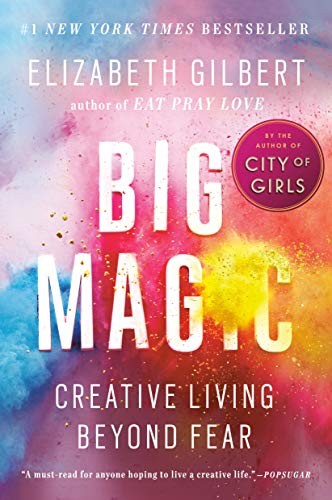
Both are about doing creative work. Pressfield is harder-edged and more confrontational; Gilbert is warmer and more encouraging. Pressfield emphasizes discipline and professionalism; Gilbert emphasizes curiosity and permission. Reading them together offers a fuller picture than either alone.