Literary fiction · Book club
The Waves book club questions
Here are 12 book club questions for The Waves by Virginia Woolf, ordered to open easily and end somewhere worth arguing about. Copy them, print them, or bring them up one at a time.
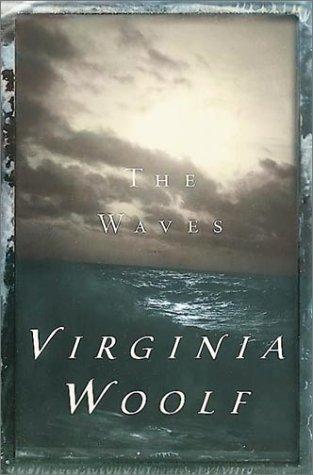
The Waves is not quite a novel in any conventional sense.
Virginia Woolf · 1931 · 5h 15m
Full summary and key takeaways →The 12 questions
- 1.
The six voices are stylistically similar — Woolfian prose, elevated register. Did you find them distinguishable as personalities, or did they blur together?
- 2.
Percival never speaks. What do you think Woolf gains by keeping him silent? What would the novel be if he had a section of his own?
- 3.
Rhoda's sections are among the most disturbing in the novel — her fragmented sense of self, her terror. Did you find her arc the most moving, or the most difficult to engage with?
- 4.
Bernard's final monologue tries to sum up everything — all six lives, all the novel's ideas. Does it feel like an earned conclusion, or does it overstay its welcome?
- 5.
The interlude passages about the sea initially seem ornamental. Did your reading of them change as the novel progressed?
- 6.
The Waves is often described as Woolf's most experimental novel. Is that a recommendation or a warning? What does 'experimental' actually mean here?
- 7.
Each of the six characters seems to represent a different relationship to other people and to selfhood. Which voice felt closest to how you experience your own consciousness?
- 8.
The novel covers the span of six lives from childhood to old age. Does the brevity of that span — the feeling that everything has rushed past — hit harder or softer than you expected?
- 9.
How does The Waves compare to Mrs Dalloway or To the Lighthouse in terms of difficulty and reward? If you've read all three, where does each one fall?
- 10.
Woolf structures the novel around the movement from dawn to dusk. By the final interlude, when the waves crash in the dark, what does that image carry?
- 11.
Bernard says near the end, 'Against you I will fling myself, unvanquished and unyielding, O Death.' Does that declaration feel triumphant, ironic, or both?
- 12.
Who is the novel's 'main character,' if it has one? Does the question even apply?
How to run the discussion
- Pick six to eight, not all of them. An hour of real discussion covers fewer questions than anyone expects, and racing the list is what makes a book club feel like homework.
- Open with what people noticed, not what they concluded. Asking for a verdict first hardens opinions before anyone has heard each other.
- Let the disagreement run. The questions below that split a room are the ones worth the time; the ones everyone answers the same way can be skipped.
- Ask the quiet person a specific question. A direct, narrow question is far easier to answer than an open invitation to contribute.
Themes worth steering toward
If the conversation stalls, these are the threads that usually restart it.
Common questions
What are good book club questions for The Waves?
Here are 12 book club questions for The Waves by Virginia Woolf, ordered to open easily and end somewhere worth arguing about. The strongest openers ask what each reader noticed rather than what they concluded, and the discussion usually turns on identity and self, time and mortality, consciousness.
How long should a book club discussion of The Waves last?
Most groups run 60 to 90 minutes of actual discussion. That is roughly six to eight questions, not all of them, so pick the ones that suit your group rather than working down the list in order.
What are the main themes in The Waves?
Identity and self, Time and mortality, Consciousness, Friendship and solitude, Language and perception. Those are the threads most likely to divide a room, which makes them the useful places to steer a discussion that has gone quiet.
Picking the next one? See books like The Waves or questions for other book club picks.
