Literary fiction · Book club
To the Lighthouse book club questions
Here are 12 book club questions for To the Lighthouse by Virginia Woolf, ordered to open easily and end somewhere worth arguing about. Copy them, print them, or bring them up one at a time.
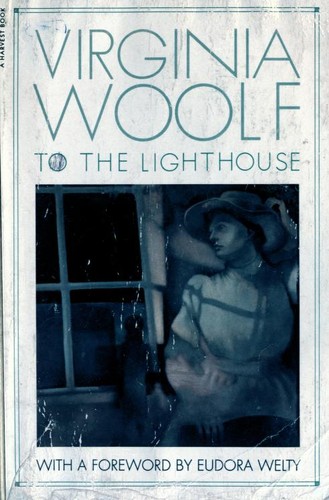
To the Lighthouse is divided into three parts.
Virginia Woolf · 1927 · 4h 45m
Full summary and key takeaways →The 12 questions
- 1.
The trip to the lighthouse is promised, delayed, and finally taken years later under entirely different circumstances. What does reaching the lighthouse mean by the third section, given everything that has happened?
- 2.
Mrs. Ramsay dies in a parenthetical aside in the second section. How did you experience that choice — as the right formal decision, as shocking, or as cold?
- 3.
Mr. Ramsay is a difficult figure — demanding, self-absorbed, genuinely grief-stricken. Did your reading of him change across the novel?
- 4.
The dinner party scene in Part One is very long and very precise. What do you think Woolf is trying to capture in it, beyond the social surface?
- 5.
Lily Briscoe's struggle with her painting spans the whole novel. Is her resolution at the end — the final vision — earned, or does it feel like an easy closure?
- 6.
The Time Passes section is extremely short given how much it covers. What would the novel have been if Woolf had dramatized those ten years instead of compressing them?
- 7.
To the Lighthouse is semi-autobiographical — the Ramsay family is modeled on Woolf's parents. Does knowing that change how you read the book?
- 8.
The novel seems to argue that art can preserve what time destroys. Do you believe that? Does Lily's painting actually preserve Mrs. Ramsay in any meaningful sense?
- 9.
How does Woolf render the different ways men and women exist in the domestic world of this novel? Is that portrait specific to the period or does it still ring true?
- 10.
James Ramsay, the child denied the lighthouse trip, carries his resentment of his father across the whole novel. What happens to it in the final section?
- 11.
Woolf said writing this book allowed her to stop being haunted by her mother. Do you think novels can function that way — as a form of grief work?
- 12.
Between Mrs Dalloway and To the Lighthouse, which is the better novel, and which is the more moving experience to read?
How to run the discussion
- Pick six to eight, not all of them. An hour of real discussion covers fewer questions than anyone expects, and racing the list is what makes a book club feel like homework.
- Open with what people noticed, not what they concluded. Asking for a verdict first hardens opinions before anyone has heard each other.
- Let the disagreement run. The questions below that split a room are the ones worth the time; the ones everyone answers the same way can be skipped.
- Ask the quiet person a specific question. A direct, narrow question is far easier to answer than an open invitation to contribute.
Themes worth steering toward
If the conversation stalls, these are the threads that usually restart it.
Common questions
What are good book club questions for To the Lighthouse?
Here are 12 book club questions for To the Lighthouse by Virginia Woolf, ordered to open easily and end somewhere worth arguing about. The strongest openers ask what each reader noticed rather than what they concluded, and the discussion usually turns on time and impermanence, art and creation, marriage and parenthood.
How long should a book club discussion of To the Lighthouse last?
Most groups run 60 to 90 minutes of actual discussion. That is roughly six to eight questions, not all of them, so pick the ones that suit your group rather than working down the list in order.
What are the main themes in To the Lighthouse?
Time and impermanence, Art and creation, Marriage and parenthood, Grief, Gender and roles. Those are the threads most likely to divide a room, which makes them the useful places to steer a discussion that has gone quiet.
Picking the next one? See books like To the Lighthouse or questions for other book club picks.
