An Elegant Puzzle by Will Larson is a 2019 business book about engineering management, organizational design, career growth. Teams move through four states: falling behind, treading water, repaying debt, and innovating. Each state requires a different intervention, and misdiagnosing the state leads to the wrong fix.
Summary
An Elegant Puzzle is Will Larson's guide to the craft of engineering management, written from his experience leading engineering teams at Digg, Uber, and Stripe. The title reflects the book's central sensibility: most management problems are well-defined puzzles with multiple valid solutions, and the manager's job is to understand the constraints well enough to find the most elegant one.
The book is organized around the actual challenges engineering managers face rather than around inspirational principles. Larson writes about team sizing and dynamics, the difference between a team that's slowing down because it's too small and one that's slowing down because it's carrying technical debt, and why these require completely different interventions. He offers a model of team states — falling behind, treading water, repaying debt, innovating — and argues that misdiagnosing the state leads managers to apply the wrong fix.
A significant portion of the book covers organizational design at scale: how to structure teams to reduce coordination costs, how to think about platforms versus product teams, how to handle the political dynamics of growing an engineering organization without losing engineering quality. Larson is unusually frank about the gap between what organizations say they value and what they actually reward.
The final section addresses personal effectiveness: how to manage a large team without becoming a bottleneck, how to write well enough that your decisions travel through the organization without you in the room, and how to build a career that survives company transitions. The book is more useful for engineering managers than for general management, but the thinking on organizational systems applies more broadly. Larson writes in a dense, essay-like style that rewards slow reading and re-reading over the weekend before a difficult quarter.

Talk to An Elegant Puzzle like its author wrote you back.
Get the ideas that fit your life — not generic summaries.
- Chat with the book
- Audiobook-style main ideas
- Adapts to your life and goals
- Helps you take action
Key takeaways
- 1.
Teams move through four states: falling behind, treading water, repaying debt, and innovating. Each state requires a different intervention, and misdiagnosing the state leads to the wrong fix.
- 2.
Hiring into a team that's falling behind often slows it down further before it speeds up. Adding headcount doesn't solve problems that stem from technical debt or unclear ownership.
- 3.
Organizational design is about reducing coordination costs. The fewer dependencies a team has, the more it can ship. Structure should serve shipping, not org chart aesthetics.
- 4.
Writing is management leverage. Decisions documented clearly can travel without you. Decisions that live only in your head create bottlenecks.
- 5.
The gap between what organizations say they value (quality, long-term thinking) and what they actually reward (shipping fast, growing headcount) is where most engineering quality problems originate.
- 6.
Career growth for engineers requires two distinct tracks — individual contributor and management — and the best organizations make the IC track genuinely attractive rather than a consolation prize.
- 7.
Migrations and platform work succeed when they provide value at each step rather than requiring organizations to commit to a long payoff. Never ask teams to make a bet they can't afford.
- 8.
The most important skill in a senior engineering role is making good decisions quickly with incomplete information, then updating gracefully when new information arrives.
Discussion questions
Use these on your own, with a book club, or as chat starters in Superbook. Book club version, ready to copy or print →
- 1.
Larson describes four team states. Which state is your team in right now? What's the evidence?
- 2.
Have you ever added headcount to a struggling team and watched it slow down before it sped up? What was happening that made more people not the answer in the short term?
- 3.
What's a coordination cost your organization currently pays that better team structure could eliminate? Who would need to make that structural decision?
- 4.
Larson says writing is leverage. How much of your management thinking lives in documents versus in your head or in conversations? What are the risks of the current ratio?
- 5.
Think about the last migration or platform shift your team attempted. Did it provide value at each step, or did it require a long commitment before anyone saw a return? What happened?
- 6.
Where do you see the biggest gap in your organization between what it says it values and what it actually rewards?
- 7.
Larson is skeptical of org chart changes as a fix for coordination problems. When is a reorg actually the right answer versus a distraction from harder problems?
- 8.
What does the IC track look like in your organization? Is it a genuine alternative to management, or a slower path to less influence?
- 9.
Which technical debt in your system is load-bearing — things everyone knows are fragile but that nobody is fixing because they're working? What would it take to create space to address it?
- 10.
Larson writes about making decisions that travel without you. What's the last significant decision you made that your team understood well enough to extend and apply without asking you?
- 11.
How do you decide when a problem is worth solving elegantly versus solving quickly and messily? What factors change your answer?
Themes
Frequently asked questions
-
Is An Elegant Puzzle worth reading?
Yes, especially for engineering managers and senior engineers who want to think more systematically about how organizations work. It's denser than most management books and rewards re-reading. Less useful if you're not in a technical organization, since many of the models are specific to software teams.
-
How long does it take to read An Elegant Puzzle?
Around four to five hours for the 290-page book. Larson writes in a compressed essay style, and many sections benefit from slowing down rather than reading straight through. Some readers treat it as a reference rather than reading cover to cover.
-
What's the most actionable idea in An Elegant Puzzle?
The four team states model: falling behind, treading water, repaying debt, innovating. Applying this lens before deciding how to help a struggling team often reveals that the intervention you were planning to make would have made things worse.
-
Who should read An Elegant Puzzle?
Engineering managers, especially in growth-stage companies where organizational structure is actively being built. Also useful for staff-level engineers who influence how their teams and organizations are structured, and for anyone curious about the systems-level view of engineering organizations.
-
How does An Elegant Puzzle compare to The Manager's Path?
The Manager's Path is a career guide that traces the engineering leadership path from senior IC to executive. An Elegant Puzzle is more of a systems and craft book — it covers organizational design, team health, and management thinking at a conceptual level. They complement each other: read The Manager's Path for the career map, An Elegant Puzzle for the underlying reasoning.
Similar books
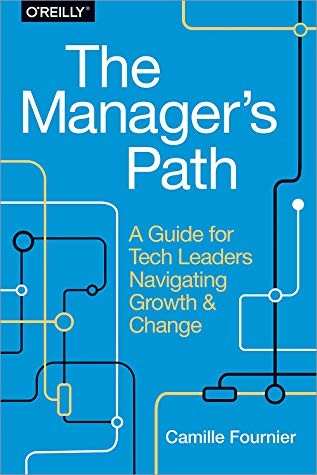
The Manager's Path
Camille Fournier
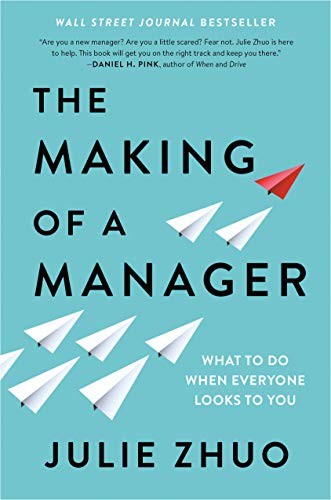
The Making of a Manager
Julie Zhuo
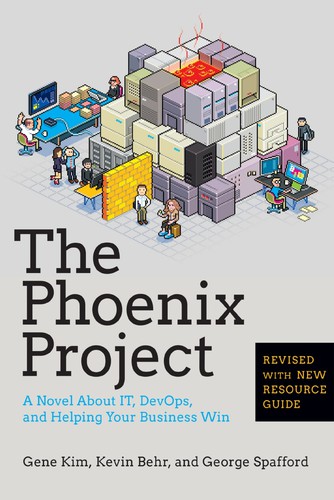
The Phoenix Project: A Novel About IT, DevOps, and Helping Your Business Win
Gene Kim, Kevin Behr, and George Spafford
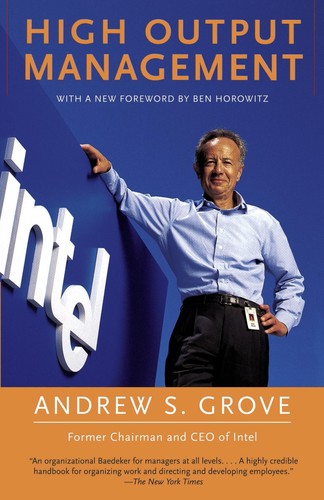
High Output Management
Andrew S. Grove
