Business · Book club
Don't Make Me Think book club questions
Here are 11 book club questions for Don't Make Me Think by Steve Krug, ordered to open easily and end somewhere worth arguing about. Copy them, print them, or bring them up one at a time.
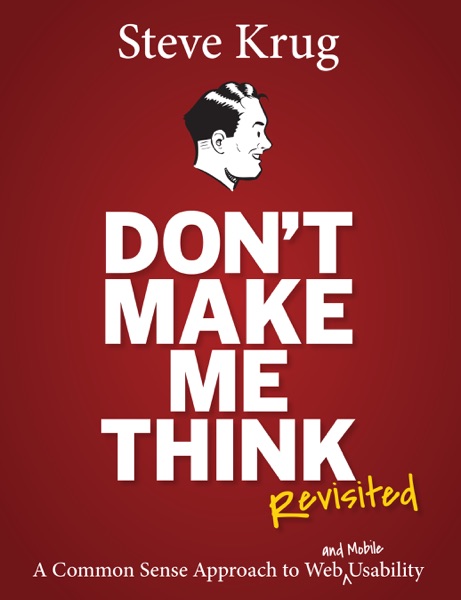
Don't Make Me Think is Steve Krug's short, plainspoken guide to web usability.
Steve Krug · 2000 · 2h 40m
Full summary and key takeaways →The 11 questions
- 1.
Krug argues that users scan rather than read. When was the last time you actually read a webpage from top to bottom, and what made that unusual?
- 2.
Think of a website or app you use regularly that makes you think too much. What specifically is the friction, and what would fixing it require?
- 3.
Krug says the home page is the hardest design problem on any site. What do you think makes it so difficult, and does looking at your own organization's home page support that claim?
- 4.
The book advocates for testing with as few as three users rather than waiting for a large sample. How does this kind of low-cost validation compare to how your team currently makes design decisions?
- 5.
Krug's principles were first articulated for desktop web in 2000. Which of them transfer cleanly to mobile apps, and which need revision?
- 6.
He argues that debates about design should be resolved by user tests, not opinions. In practice, how much of the design disagreement you've witnessed has been resolved this way?
- 7.
Krug is quite harsh about homepage clutter and feature accumulation over time. What forces in your organization make sites or products accumulate complexity they shouldn't have?
- 8.
The book suggests that making something usable and making it accessible to people with disabilities are often the same work. Does your organization treat them that way?
- 9.
What is the 'trunk test' Krug proposes, and can your organization's primary product pass it?
- 10.
Krug's book has been influential for over two decades, but the web it describes has changed dramatically. Which of his core principles feel most timeless and which feel most dated?
- 11.
Don't Make Me Think is famously short — about two hours of reading. What does the book's own brevity model about the advice it gives?
How to run the discussion
- Pick six to eight, not all of them. An hour of real discussion covers fewer questions than anyone expects, and racing the list is what makes a book club feel like homework.
- Open with what people noticed, not what they concluded. Asking for a verdict first hardens opinions before anyone has heard each other.
- Let the disagreement run. The questions below that split a room are the ones worth the time; the ones everyone answers the same way can be skipped.
- Ask the quiet person a specific question. A direct, narrow question is far easier to answer than an open invitation to contribute.
Themes worth steering toward
If the conversation stalls, these are the threads that usually restart it.
Common questions
What are good book club questions for Don't Make Me Think?
Here are 11 book club questions for Don't Make Me Think by Steve Krug, ordered to open easily and end somewhere worth arguing about. The strongest openers ask what each reader noticed rather than what they concluded, and the discussion usually turns on usability, web design, user behavior.
How long should a book club discussion of Don't Make Me Think last?
Most groups run 60 to 90 minutes of actual discussion. That is roughly six to eight questions, not all of them, so pick the ones that suit your group rather than working down the list in order.
What are the main themes in Don't Make Me Think?
Usability, Web design, User behavior, Navigation, Testing. Those are the threads most likely to divide a room, which makes them the useful places to steer a discussion that has gone quiet.
Picking the next one? See books like Don't Make Me Think or questions for other book club picks.
