Inclusive Conversations by Mary-Frances Winters is a 2020 business book about diversity and inclusion, communication, psychological safety. Avoiding difficult conversations about identity and equity doesn't make organizations more comfortable — it preserves inequity by preventing the feedback that could drive change.
Summary
Inclusive Conversations is Mary-Frances Winters's guide to having substantive, productive conversations about race, identity, and equity in organizational settings. Winters, a diversity and inclusion consultant with decades of experience, argues that most organizations avoid these conversations because they are uncomfortable, and that this avoidance perpetuates the very inequities that leaders claim to want to address. The book is a practical attempt to give people the skills to talk across difference without derailing into defensiveness or silence.
Winters introduces the concept of "bold, inclusive conversations" — exchanges that go beyond surface-level pleasantries to engage meaningfully with difference, power, and lived experience. She distinguishes between dominant group members (those whose identity is the default in a given context) and non-dominant group members, and explains how these different positions create asymmetric burdens in conversation. People from non-dominant groups are often expected to educate, explain, and absorb emotional labor, while dominant group members may be fragile about feedback or defensive about privilege.
The book covers the skills required on both sides: listening to understand rather than to respond, acknowledging impact even when intent was benign, managing emotional triggers, and creating the psychological safety that allows honest conversation. Winters addresses specific contexts — team meetings, one-on-one conversations, organizational listening sessions — and gives facilitation guidance for each. She is also clear about what inclusive conversation is not: it is not consensus-building or making everyone comfortable, and it is not a substitute for structural change.
Winters writes in a measured, professional tone that clearly comes from years of facilitating difficult rooms. The book is most useful for HR professionals, managers, and team leads who want practical tools rather than inspirational framing. Readers who have already done significant self-reflection on identity and power may find the foundational sections familiar, but the facilitation frameworks in the second half are specific enough to be useful regardless of starting point.

Talk to Inclusive Conversations like its author wrote you back.
Get the ideas that fit your life — not generic summaries.
- Chat with the book
- Audiobook-style main ideas
- Adapts to your life and goals
- Helps you take action
Key takeaways
- 1.
Avoiding difficult conversations about identity and equity doesn't make organizations more comfortable — it preserves inequity by preventing the feedback that could drive change.
- 2.
Dominant group members and non-dominant group members enter conversations about difference from structurally different positions, and pretending otherwise creates false equivalence.
- 3.
Intent and impact are not the same thing. Acknowledging that your words had an unintended negative impact is not the same as agreeing that you are a bad person.
- 4.
Psychological safety is a prerequisite for honest conversation, not a product of it. Creating safety requires active work, especially from those who hold positional or identity power.
- 5.
Listening to understand is a different skill from listening to respond. Most people do the latter, which makes genuine dialogue rare.
- 6.
Emotional triggers are predictable and manageable. Recognizing when you're triggered in a conversation allows you to slow down rather than escalate.
- 7.
Inclusive conversation is not consensus-building. It is creating conditions where disagreement and different perspectives can be expressed and genuinely considered.
- 8.
Structural change and individual behavior change are both necessary. Conversations alone don't fix policies, but bad policies get harder to change without honest conversations about their effects.
Discussion questions
Use these on your own, with a book club, or as chat starters in Superbook. Book club version, ready to copy or print →
- 1.
Winters argues that avoidance of difficult conversations preserves inequity. Where have you seen this play out in an organization you've been part of?
- 2.
What's the difference between listening to understand and listening to respond? Which do you default to in high-stakes conversations?
- 3.
Think of a time you received feedback that your words had an unintended negative impact. How did you respond, and what would you do differently now?
- 4.
Winters describes the asymmetric burden non-dominant group members carry in these conversations. Have you experienced or witnessed this? What did it look like?
- 5.
What conditions in your current workplace make honest conversation about difference more or less possible?
- 6.
When was the last time you felt emotionally triggered in a professional conversation? What was the trigger, and how did it affect your behavior?
- 7.
How would you distinguish between psychological safety and simple comfort? Can a space be safe without being comfortable?
- 8.
Winters is clear that inclusive conversation is not about making everyone feel okay. What does that distinction mean in practice for how you'd run a difficult team discussion?
- 9.
Who in your organization currently carries the most labor in raising equity concerns? Is that labor distributed fairly?
- 10.
Have you ever stayed silent in a meeting about something that mattered to you? What made silence feel safer than speaking?
- 11.
What skills in this book do you think you already have? Which are genuinely underdeveloped for you?
- 12.
Winters argues that structural change and individual behavior change are both necessary. Where does individual behavior change actually have leverage in your organization?
Themes
Frequently asked questions
-
Who should read Inclusive Conversations?
Managers, HR professionals, team leads, and anyone who facilitates meetings or has responsibility for team culture. It's particularly useful for people who want practical tools for navigating conversations about race and identity at work, not just theoretical frameworks.
-
Is Inclusive Conversations worth reading?
Yes, especially if you've found yourself at a loss for how to facilitate difficult conversations about identity and equity without them derailing. Winters writes from decades of practice and the facilitation guidance is specific and road-tested. Readers already deep in DEI work may find the foundations familiar.
-
What is the main idea of Inclusive Conversations?
That organizations need to develop the skills to have real conversations about difference, power, and equity — not polite surface conversations — and that this requires specific skills, psychological safety, and willingness to sit with discomfort rather than resolving it prematurely.
-
How does this book handle the difference between intent and impact?
Winters addresses it directly and practically. She argues that acknowledging impact is not an admission of malicious intent, and that conflating the two is one of the main ways conversations break down. The book gives specific language for acknowledging impact without defensive collapse.
-
How long does it take to read Inclusive Conversations?
Around four hours at average reading pace. The book is organized practically with frameworks and reflection questions throughout, making it useful as a workbook as well as a straight read.
Similar books
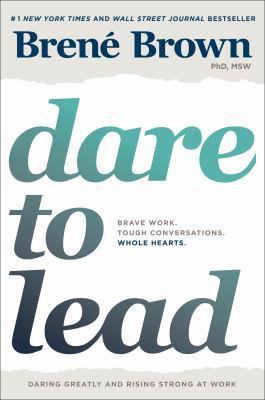
Dare to Lead
Brené Brown
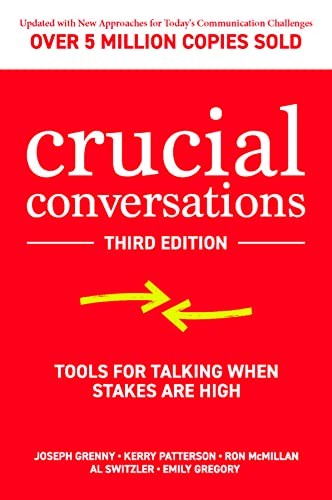
Crucial Conversations: Tools for Talking When Stakes Are High
Kerry Patterson, Joseph Grenny, Ron McMillan, and Al Switzler
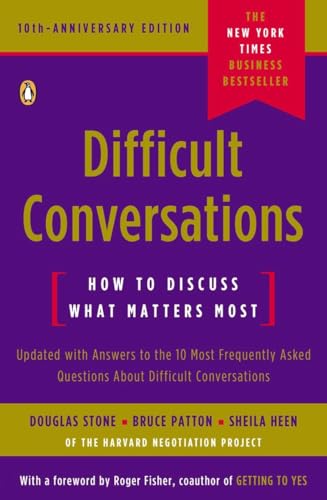
Difficult Conversations
Douglas Stone, Bruce Patton, and Sheila Heen
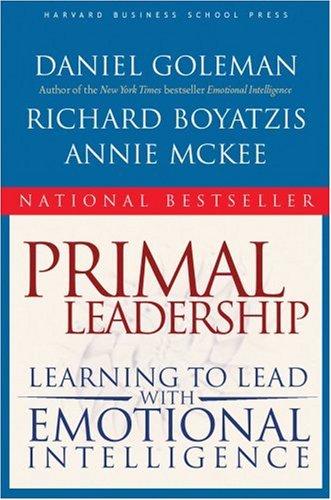
Primal Leadership
Daniel Goleman, Richard Boyatzis, and Annie McKee
