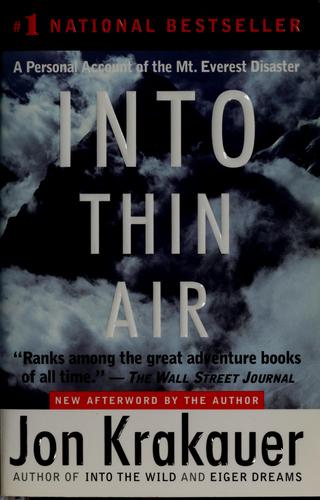
Into Thin Air by Jon Krakauer is a 1997 memoir book about survival, mountaineering, hubris. Commercialized high-altitude guiding introduced market incentives that conflicted directly with the safety logic of mountaineering. Paying clients expect to summit, and that expectation distorts the decisions of guides who want repeat business.
Summary
Into Thin Air is Jon Krakauer's firsthand account of the May 1996 Everest expedition that killed eight climbers in a single afternoon. Krakauer was there as a journalist for Outside magazine and reached the summit on May 10, the same day that two guided groups led by Rob Hall and Scott Fischer were descending into a catastrophic storm. The book is equal parts adventure narrative and investigation into what went wrong and why.
The central argument is not that the mountain is unclimbable but that the commercialization of high-altitude guiding created conditions for disaster. By 1996, guiding companies were charging clients up to $65,000 a head to be led to the summit regardless of their experience level. Hall and Fischer were both elite climbers running competitive businesses, and that pressure distorted decisions. Turnaround times were ignored. The bottleneck at the Hillary Step cost climbers an hour of precious daylight. People who should have turned back didn't.
Krakauer is not a neutral observer and doesn't pretend to be. He admits he may have contributed to the delay at the summit. He got the oxygen wrong and at one point mistook climber Andy Harris for a healthy man when Harris was in severe distress. The book wrestles with this honestly: what can a person perceive and decide clearly at 29,000 feet, hypoxic, exhausted, and euphoric from summiting? Krakauer's candor about his own failures is part of what makes the account credible.
The book provoked controversy when published. Anatoli Boukreev, one of the guides on the Fischer expedition, disputed Krakauer's characterization of his actions during the storm and wrote his own account. The dispute is unresolved and worth knowing before reading. What's not in dispute is the quality of the writing: Krakauer renders the mountain, the cold, and the chaos with a precision that makes the disaster feel immediate even thirty years later.
Talk to Into Thin Air like its author wrote you back.
Get the ideas that fit your life — not generic summaries.
- Chat with the book
- Audiobook-style main ideas
- Adapts to your life and goals
- Helps you take action
Key takeaways
- 1.
Commercialized high-altitude guiding introduced market incentives that conflicted directly with the safety logic of mountaineering. Paying clients expect to summit, and that expectation distorts the decisions of guides who want repeat business.
- 2.
Turnaround times exist for a reason. Hall's team had a two o'clock rule for the summit; it was abandoned on the day that mattered most. On Everest, the descent is where most deaths happen.
- 3.
Altitude impairs judgment in ways climbers can't fully perceive from the inside. At 29,000 feet, hypoxia produces overconfidence, slow thinking, and perceptual errors that feel like clarity.
- 4.
The bottleneck at the Hillary Step was a proximate cause of the disaster: teams arrived at the summit too late, with too little time to descend before the storm hit and before oxygen ran out.
- 5.
Krakauer's account is self-implicating. He made errors on summit day and knows it. The honesty about his own failures distinguishes this from heroic adventure writing.
- 6.
Everest in 1996 was not a wilderness. It was a commercial operation with dozens of teams on the mountain simultaneously, competing for weather windows and rope-fixing duties — a coordination problem nobody fully solved.
- 7.
The controversy with Anatoli Boukreev is a reminder that firsthand accounts are partial. Two serious, credible people can watch the same event unfold and construct incompatible narratives about what it meant.
- 8.
Survival and death on the mountain were partly random. Several people with strong experience died; several relative novices lived. Circumstance, timing, and luck separated the outcomes as much as skill or preparation.
Discussion questions
Use these on your own, with a book club, or as chat starters in Superbook. Book club version, ready to copy or print →
- 1.
Hall ignored his own turnaround rule on summit day. Have you ever let a goal's proximity override a rule you knew existed for good reason? What happened?
- 2.
Krakauer describes climbers paying $65,000 for a guided summit attempt regardless of their fitness level. What does it mean when money can buy access to something genuinely dangerous? Who bears the moral risk?
- 3.
Krakauer is a trained climber who still made serious perceptual errors at altitude. When in your own life have you been unable to perceive how impaired your judgment actually was?
- 4.
The guides Hall and Fischer were both running businesses and both died. How does commercial pressure change the way professionals make decisions in high-stakes environments?
- 5.
Boukreev and Krakauer remember the same day differently and both have credible evidence. How do you decide whose account to trust when two firsthand witnesses contradict each other?
- 6.
Krakauer covers his own mistakes with the same detail he uses for other people's. How often do you think writers and journalists hold themselves to that standard? What difference does it make when they do?
- 7.
Several experienced Sherpas and seasoned climbers died on the same day that less experienced clients survived. What does that randomness suggest about how we talk about preparation and risk?
- 8.
The 1996 season had more teams on the mountain than ever before. What problems in your own work or life get worse when more people are competing for the same limited resource at the same time?
- 9.
Krakauer has said he regrets writing the book and that it retraumatized surviving family members. When does a journalist's obligation to tell a story conflict with an obligation to the people in it?
- 10.
Rob Hall radioed his pregnant wife from the summit as he was dying and she talked him through the night. What does that scene say about what people reach for when facing death?
- 11.
The mountain has become more crowded every decade since 1996. Does knowing that change how you read the book's warnings about commercialization and risk?
- 12.
Krakauer describes the summit as a let-down after the effort required to reach it. Have you ever achieved a goal and felt something closer to emptiness than satisfaction? What did that tell you about the goal?
Themes
Frequently asked questions
-
Is Into Thin Air worth reading?
Yes. It's one of the best examples of immersive disaster journalism: Krakauer was present, he's a skilled writer, and he holds himself to the same scrutiny he applies to everyone else. If you're interested in Everest, decision-making under pressure, or the ethics of extreme adventure, it's essential. If you read it, also read Boukreev's The Climb for a competing account.
-
How long does it take to read Into Thin Air?
Around six hours at average reading pace for the 332-page book. The narrative moves quickly once the expedition begins. Most readers describe it as hard to put down once the storm sequence starts.
-
What actually caused the 1996 Everest disaster?
Multiple compounding failures: turnaround times were ignored, the Hillary Step bottleneck delayed teams by over an hour, oxygen supplies ran low, and a storm arrived faster than forecast. Behind those proximate causes, Krakauer argues, was the commercial pressure of guiding clients who had paid enormous sums to summit.
-
Who should read Into Thin Air?
Anyone interested in how organizations fail under pressure, how humans make decisions when cognitively impaired, or the ethics of extreme risk. It's not just a climbing book. The disaster works as a case study in how incentives, communication failures, and cognitive limits interact at the worst possible moment.
-
Is Krakauer's account accurate?
Krakauer's account is his own honest reconstruction, and he acknowledges errors. Anatoli Boukreev, one of the guides, disputed several characterizations and wrote The Climb in response. Both accounts are worth reading. Neither is a fabrication; they reflect genuinely different perceptions of an extremely chaotic event.
Similar books
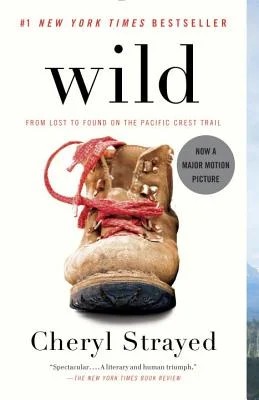
Wild: From Lost to Found on the Pacific Crest Trail
Cheryl Strayed
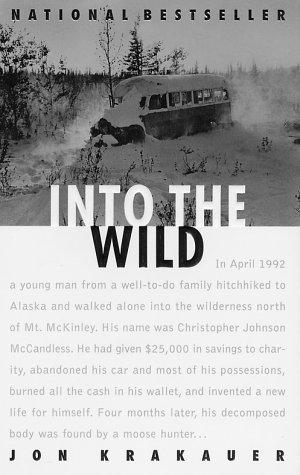
Into the Wild
Jon Krakauer
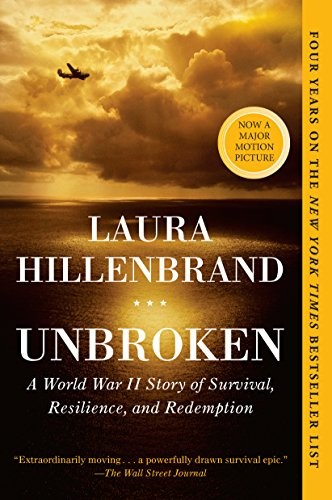
Unbroken: A World War II Story of Survival, Resilience, and Redemption
Laura Hillenbrand
Endurance: Shackleton's Incredible Voyage
Alfred Lansing
