Psychology · Book club
Self-Compassion: The Proven Power of Being Kind to Yourself book club questions
Here are 12 book club questions for Self-Compassion: The Proven Power of Being Kind to Yourself by Kristin Neff, ordered to open easily and end somewhere worth arguing about. Copy them, print them, or bring them up one at a time.
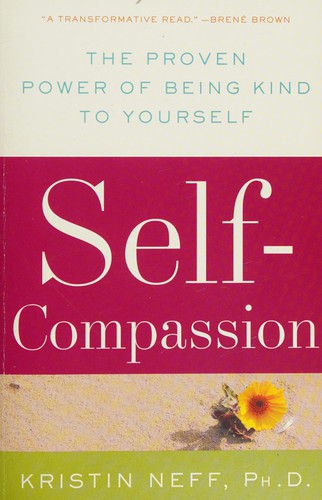
Kristin Neff makes a claim that many readers initially resist: treating yourself with the same kindness you'd offer a good friend in distress is not self-indulgence, weakness, or an obstacle to high performance.
Kristin Neff · 2011 · 5h 40m
Full summary and key takeaways →The 12 questions
- 1.
Neff argues that self-criticism is not the same as accountability or motivation. What does self-criticism actually do for you when you fall short of your own standards?
- 2.
What is your initial reaction to the idea of treating yourself with the same kindness you'd offer a good friend? Does resistance to that idea tell you anything?
- 3.
Neff distinguishes self-compassion from self-esteem. Which one do you think currently plays a larger role in how you feel about yourself day to day?
- 4.
Common humanity is the component that recognizes imperfection as universal rather than personal. Is there a specific failure or struggle where that reframe feels hardest to accept?
- 5.
The research shows self-compassionate people are more willing to acknowledge mistakes, not less. Does that finding match or contradict your intuition about what kindness toward yourself would do?
- 6.
Where in your life does harsh self-judgment feel most automatic and least examined? What is it protecting?
- 7.
Neff includes exercises designed to build self-compassion as a skill. Have you tried any? If not, what makes you hesitant?
- 8.
How would your behavior change in the next month if you genuinely believed that failing didn't reduce your worth as a person?
- 9.
The book argues that self-criticism activates the threat system, which narrows thinking and increases avoidance. Can you identify a domain in your life where that dynamic is playing out?
- 10.
Neff describes how many people feel compassion more easily for others than for themselves. What do you think that asymmetry is about?
- 11.
What would the 'good friend' framing — treating yourself as you'd treat a struggling friend — change about how you handled something difficult in the past year?
- 12.
Mindfulness is one of the three components. How does being able to observe your pain clearly, without amplifying or suppressing it, differ from what you currently do with difficult feelings?
How to run the discussion
- Pick six to eight, not all of them. An hour of real discussion covers fewer questions than anyone expects, and racing the list is what makes a book club feel like homework.
- Open with what people noticed, not what they concluded. Asking for a verdict first hardens opinions before anyone has heard each other.
- Let the disagreement run. The questions below that split a room are the ones worth the time; the ones everyone answers the same way can be skipped.
- Ask the quiet person a specific question. A direct, narrow question is far easier to answer than an open invitation to contribute.
Themes worth steering toward
If the conversation stalls, these are the threads that usually restart it.
Common questions
What are good book club questions for Self-Compassion: The Proven Power of Being Kind to Yourself?
Here are 12 book club questions for Self-Compassion: The Proven Power of Being Kind to Yourself by Kristin Neff, ordered to open easily and end somewhere worth arguing about. The strongest openers ask what each reader noticed rather than what they concluded, and the discussion usually turns on self-compassion, self-criticism, mindfulness.
How long should a book club discussion of Self-Compassion: The Proven Power of Being Kind to Yourself last?
Most groups run 60 to 90 minutes of actual discussion. That is roughly six to eight questions, not all of them, so pick the ones that suit your group rather than working down the list in order.
What are the main themes in Self-Compassion: The Proven Power of Being Kind to Yourself?
Self-compassion, Self-criticism, Mindfulness, Emotional resilience, Well-being. Those are the threads most likely to divide a room, which makes them the useful places to steer a discussion that has gone quiet.
Picking the next one? See books like Self-Compassion: The Proven Power of Being Kind to Yourself or questions for other book club picks.
