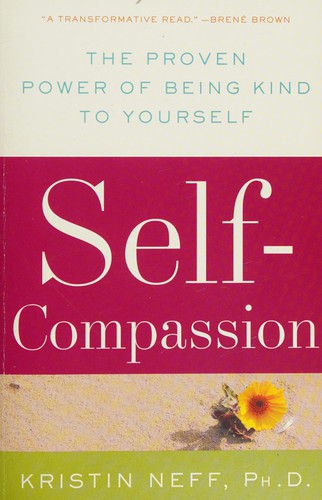
Self-Compassion: The Proven Power of Being Kind to Yourself by Kristin Neff is a 2011 psychology book about self-compassion, self-criticism, mindfulness. Self-compassion has three components: self-kindness, common humanity, and mindfulness. Each is necessary; none is sufficient alone.
Summary
Kristin Neff makes a claim that many readers initially resist: treating yourself with the same kindness you'd offer a good friend in distress is not self-indulgence, weakness, or an obstacle to high performance. It is, according to her research, one of the most reliable predictors of psychological health, motivation, and resilience. Self-compassion is not the same as self-esteem, which depends on external validation and comparative evaluation. It is a stable inner orientation that doesn't require you to be special, right, or better than others in order to feel okay about yourself.
Neff defines self-compassion through three interlocking components. Self-kindness means treating yourself with warmth rather than harsh judgment when you fail or struggle. Common humanity means recognizing that imperfection, difficulty, and suffering are part of the shared human experience rather than signs of personal deficiency. Mindfulness means observing painful thoughts and feelings clearly rather than suppressing them or amplifying them into rumination. The three components interact: mindfulness makes the suffering visible, common humanity prevents isolation, and self-kindness provides the care.
Much of the book is a direct challenge to the cultural assumption that self-criticism is what keeps people motivated and accountable. Neff's research, and a broader body of evidence she draws on, suggests the opposite: harsh self-judgment tends to increase anxiety and avoidance, while self-compassion supports risk-taking, learning from failure, and sustained motivation. The inner critic that seems like a performance-booster is usually a form of fear management that costs more than it delivers.
Neff is careful to address the obvious objections. Won't self-compassion make people lazy? Won't they stop trying? The research says no. Self-compassionate people set goals and work toward them; they're simply less derailed by failure because they don't need to avoid failure to maintain their sense of worth. The book includes exercises derived from mindfulness-based stress reduction and self-compassion training programs, making it more than an argument — it's a manual for a change most readers will find surprisingly difficult to practice.
Talk to Self-Compassion: The Proven Power of Being Kind to Yourself like its author wrote you back.
Get the ideas that fit your life — not generic summaries.
- Chat with the book
- Audiobook-style main ideas
- Adapts to your life and goals
- Helps you take action
Key takeaways
- 1.
Self-compassion has three components: self-kindness, common humanity, and mindfulness. Each is necessary; none is sufficient alone.
- 2.
Self-compassion is not the same as self-esteem. Self-esteem requires comparison and evaluation; self-compassion is unconditional and doesn't depend on performance or status.
- 3.
The inner critic is usually a fear-management strategy, not a motivational tool. It tends to increase anxiety and avoidance rather than performance.
- 4.
Common humanity is the recognition that suffering, failure, and imperfection are universal rather than personal deficiencies — a reframing that counteracts isolation.
- 5.
Mindfulness in this context means observing painful experience clearly rather than suppressing it or amplifying it through rumination.
- 6.
Research consistently shows that self-compassionate people are more resilient after failure, more willing to try again, and more likely to take responsibility without excessive self-blame.
- 7.
Self-compassion is difficult to practice because many people have learned to equate self-kindness with weakness or laziness. The discomfort of the exercises is itself data.
- 8.
Self-criticism activates the threat system; self-compassion activates the soothing and care system. These have different neurobiological signatures and different downstream effects on motivation.
Discussion questions
Use these on your own, with a book club, or as chat starters in Superbook. Book club version, ready to copy or print →
- 1.
Neff argues that self-criticism is not the same as accountability or motivation. What does self-criticism actually do for you when you fall short of your own standards?
- 2.
What is your initial reaction to the idea of treating yourself with the same kindness you'd offer a good friend? Does resistance to that idea tell you anything?
- 3.
Neff distinguishes self-compassion from self-esteem. Which one do you think currently plays a larger role in how you feel about yourself day to day?
- 4.
Common humanity is the component that recognizes imperfection as universal rather than personal. Is there a specific failure or struggle where that reframe feels hardest to accept?
- 5.
The research shows self-compassionate people are more willing to acknowledge mistakes, not less. Does that finding match or contradict your intuition about what kindness toward yourself would do?
- 6.
Where in your life does harsh self-judgment feel most automatic and least examined? What is it protecting?
- 7.
Neff includes exercises designed to build self-compassion as a skill. Have you tried any? If not, what makes you hesitant?
- 8.
How would your behavior change in the next month if you genuinely believed that failing didn't reduce your worth as a person?
- 9.
The book argues that self-criticism activates the threat system, which narrows thinking and increases avoidance. Can you identify a domain in your life where that dynamic is playing out?
- 10.
Neff describes how many people feel compassion more easily for others than for themselves. What do you think that asymmetry is about?
- 11.
What would the 'good friend' framing — treating yourself as you'd treat a struggling friend — change about how you handled something difficult in the past year?
- 12.
Mindfulness is one of the three components. How does being able to observe your pain clearly, without amplifying or suppressing it, differ from what you currently do with difficult feelings?
Themes
Frequently asked questions
-
What is self-compassion and how is it different from self-esteem?
Self-compassion is treating yourself with kindness during difficulty or failure without requiring you to be exceptional or better than others. Self-esteem is an evaluation of your own worth that tends to depend on performance and comparison. Neff's research shows self-compassion is more stable and more beneficial than self-esteem as an inner resource.
-
Will practicing self-compassion make me less motivated?
The evidence says no. Self-compassionate people tend to be more willing to try again after failure, more honest about mistakes, and more resilient under stress. The inner critic that seems motivating is often a fear-management strategy that increases avoidance more than it increases effort.
-
Is Self-Compassion worth reading?
Yes, particularly if harsh self-judgment is a pattern you recognize in yourself. Neff's case is research-based and she addresses the obvious objections directly. The exercises are demanding in a useful way — many people find the practice genuinely difficult, which is itself informative.
-
Who should read this book?
People who are hard on themselves and want to understand whether that actually serves them, therapists and coaches working with clients on self-criticism, and anyone interested in the psychology of resilience and motivation. It is not a lightweight self-help book — the argument has real intellectual substance.
-
What are the three components of self-compassion?
Self-kindness (treating yourself warmly rather than harshly when you struggle), common humanity (recognizing that imperfection is part of the shared human experience), and mindfulness (observing painful feelings clearly rather than suppressing or ruminating on them).