Science · Similar reads
Books like Stiff: The Curious Lives of Human Cadavers
The best books like Stiff: The Curious Lives of Human Cadavers are Gulp: Adventures on the Alimentary Canal, Packing for Mars: The Curious Science of Life in the Void, and Bonk: The Curious Coupling of Science and Sex. Stiff: The Curious Lives of Human Cadavers by Mary Roach is about death, human body, medical research. If that's what drew you in, here are 12 books that share its DNA — each summarized on Superbook, and ready to chat with in the app.
- Gulp: Adventures on the Alimentary Canal
01
Gulp: Adventures on the Alimentary Canal
Mary Roach · Science
Gulp traces the alimentary canal from mouth to colon, using Mary Roach's standard method: firsthand visits to the researchers who work in each region, archival accounts of the stranger experiments in medical history, and a consistent willingness to ask the embarrassing questions that more decorous science writing leaves out.
Shares medical research and history of science with Stiff: The Curious Lives of Human Cadavers.
Read the summary → - Packing for Mars: The Curious Science of Life in the Void

02
Packing for Mars: The Curious Science of Life in the Void
Mary Roach · Science
Packing for Mars is Mary Roach's investigation into the unglamorous human problems of spaceflight: what happens to the body in zero gravity, how astronauts eat and sleep and go to the bathroom, what zero-g does to bones and muscles and the vestibular system, and how engineers have spent decades solving problems that are embarrassing to discuss but essential to solve.
Both dig into history of science.
Read the summary → - Bonk: The Curious Coupling of Science and Sex
03
Bonk: The Curious Coupling of Science and Sex
Mary Roach · Science
Bonk is Mary Roach's investigation into the science of human sexuality — not the pop psychology of relationships, but the actual research: what scientists have done inside laboratory settings to understand how sex works, what they've discovered, and why the field has been so difficult to pursue given institutional and cultural resistance.
Shares medical research and history of science with Stiff: The Curious Lives of Human Cadavers.
Read the summary →
- The Body: A Guide for Occupants
04
The Body: A Guide for Occupants
Bill Bryson · Science
Bill Bryson turns his signature wide-lens curiosity on the human body, covering it organ by organ, system by system, from the skin inward.
A kindred science read.
Read the summary → - A Short History of Nearly Everything
05
A Short History of Nearly Everything
Bill Bryson · Science
A Short History of Nearly Everything is Bill Bryson's attempt to understand the scientific story of everything — from the Big Bang to the emergence of modern humans — by spending three years talking to scientists and reading science history.
A kindred science read.
Read the summary → - Fermat's Enigma

06
Simon Singh · Science
In 1637, Pierre de Fermat scrawled a note in the margin of a mathematics book claiming to have found a proof that no three positive integers can satisfy the equation a^n + b^n = c^n for any integer value of n greater than 2 — but that the margin was too narrow to contain it.
Both dig into history of science.
Read the summary → - Mathematics: Its Content, Methods and Meaning
07
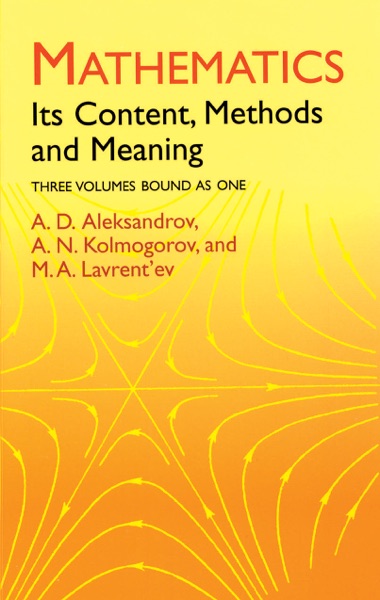
Mathematics: Its Content, Methods and Meaning
Aleksandrov, Kolmogorov & Lavrent'ev · Science
Mathematics: Its Content, Methods and Meaning is a three-volume survey of mathematics compiled by a group of eminent Soviet mathematicians, originally published in Russian in 1956 and translated into English by the American Mathematical Society in 1963.
Both dig into history of science.
Read the summary → - The Code Book: The Science of Secrecy from Ancient Egypt to Quantum Cryptography
08
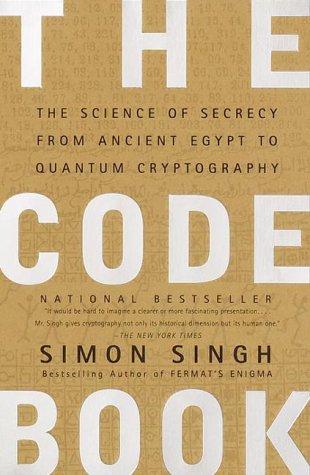
The Code Book: The Science of Secrecy from Ancient Egypt to Quantum Cryptography
Simon Singh · Science
Simon Singh's The Code Book traces the history of cryptography from Caesar's cipher through the breaking of Enigma to the mathematics of public-key encryption and the looming possibility of quantum cryptography.
Both dig into history of science.
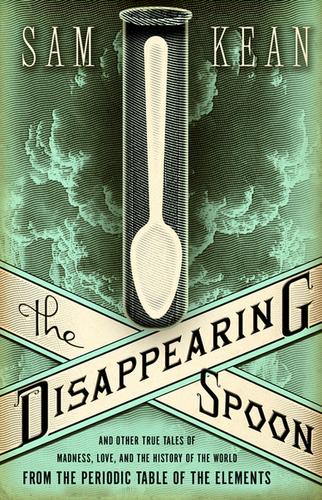
Read the summary → - The Disappearing Spoon: And Other True Tales of Madness, Love, and the History of the World from the Periodic Table
09
Sam Kean · Science
The Disappearing Spoon is Sam Kean's account of how the periodic table of elements came to be — not as a dry exercise in classroom science, but as a record of obsession, accident, rivalry, and the occasional poisoning.
Both dig into history of science.
Read the summary → - The Song of the Cell
10
Siddhartha Mukherjee · Science
The Song of the Cell is Siddhartha Mukherjee's account of how the cell — the basic unit of life — was discovered, decoded, and eventually harnessed to rebuild and repair the human body.
Both dig into human body.
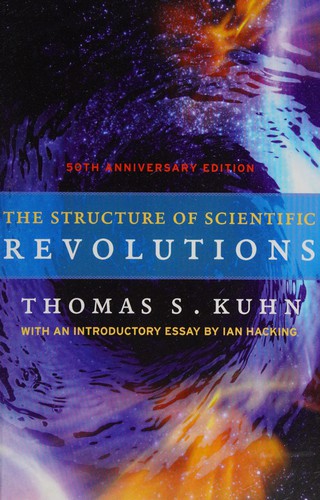
Read the summary → - The Structure of Scientific Revolutions
11
The Structure of Scientific Revolutions
Thomas S. Kuhn · Science
The Structure of Scientific Revolutions, first published in 1962, changed how historians, philosophers, and scientists think about how science advances.
Both dig into history of science.
Read the summary → - Weapons of Math Destruction

12
Cathy O'Neil · Science
Weapons of Math Destruction is mathematician and data scientist Cathy O'Neil's investigation of how algorithms — statistical models used to make decisions about people's lives — can perpetuate and amplify inequality rather than reduce it.
Both dig into ethics.
Read the summary →
Books like Stiff: The Curious Lives of Human Cadavers: quick answers
What are the best books like Stiff: The Curious Lives of Human Cadavers?
The best books like Stiff: The Curious Lives of Human Cadavers by Mary Roach are Gulp: Adventures on the Alimentary Canal by Mary Roach, Packing for Mars: The Curious Science of Life in the Void by Mary Roach, Bonk: The Curious Coupling of Science and Sex by Mary Roach, The Body: A Guide for Occupants by Bill Bryson, A Short History of Nearly Everything by Bill Bryson, plus 7 more below. Each was chosen for themes it shares with Stiff: The Curious Lives of Human Cadavers, such as death, human body, medical research.
What should I read after Stiff: The Curious Lives of Human Cadavers?
A natural next read after Stiff: The Curious Lives of Human Cadavers is Gulp: Adventures on the Alimentary Canal by Mary Roach. Shares medical research and history of science with Stiff: The Curious Lives of Human Cadavers. Other strong choices are Packing for Mars: The Curious Science of Life in the Void by Mary Roach, Bonk: The Curious Coupling of Science and Sex by Mary Roach, The Body: A Guide for Occupants by Bill Bryson.
What books are similar to Stiff: The Curious Lives of Human Cadavers by Mary Roach?
Stiff: The Curious Lives of Human Cadavers centers on death, human body, medical research. Books with a similar feel include Gulp: Adventures on the Alimentary Canal by Mary Roach, Packing for Mars: The Curious Science of Life in the Void by Mary Roach, Bonk: The Curious Coupling of Science and Sex by Mary Roach, The Body: A Guide for Occupants by Bill Bryson, A Short History of Nearly Everything by Bill Bryson, Fermat's Enigma by Simon Singh — all free to read and chat with on Superbook.
