Psychology · Book club
The Body Is Not an Apology: The Power of Radical Self-Love book club questions
Here are 12 book club questions for The Body Is Not an Apology: The Power of Radical Self-Love by Sonya Renee Taylor, ordered to open easily and end somewhere worth arguing about. Copy them, print them, or bring them up one at a time.
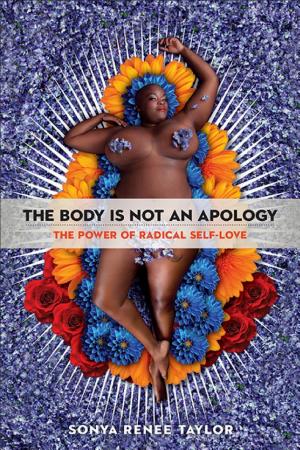
Sonya Renee Taylor's central argument is that the way societies teach people to hate, distrust, or feel ashamed of their bodies is not a personal failing but a political and economic system — and that dismantling it begins with what she calls radical self-love.
Sonya Renee Taylor · 2018 · 3h 0m
Full summary and key takeaways →The 12 questions
- 1.
Taylor distinguishes radical self-love from body positivity. Before reading this, how did you understand body positivity, and has the distinction changed anything for you?
- 2.
Think of a belief you hold about your body — weight, aging, ability, appearance. Where did that belief come from, and when did you first absorb it?
- 3.
Taylor argues that body shame is a structural system, not just a personal attitude. Does locating shame as political rather than personal make it easier or harder to address in your own life?
- 4.
What is one industry or media form that has most shaped your relationship to your body? How aware were you of that influence before examining it?
- 5.
Taylor's model of the body shame profit complex claims industries profit from your dissatisfaction. What would you have to believe — or stop believing — for that complex to lose its hold on you?
- 6.
The book treats intersectionality as essential: different bodies face different pressures. How does your own set of body-related identities (size, race, ability, gender, age) shape the specific shame you have been taught?
- 7.
Have you ever used the language of health or self-improvement to avoid confronting body shame directly? What is the difference between genuine health care and shame dressed up as concern?
- 8.
Taylor asks readers to extend to themselves the compassion they might naturally offer a friend. What makes that so difficult in practice?
- 9.
The book links individual body shame to collective discrimination. Do you see that connection operating in the institutions or communities you belong to?
- 10.
What would it mean in your daily life — not as a feeling but as a practice — to treat your body as not requiring an apology?
- 11.
Which chapter or section of the book felt most urgent or personal, and which felt most distant from your experience? What accounts for that difference?
- 12.
Taylor ends with a vision of radical self-love as a world-changing force. Does that framing motivate you or does it feel like too much weight to put on a personal practice?
How to run the discussion
- Pick six to eight, not all of them. An hour of real discussion covers fewer questions than anyone expects, and racing the list is what makes a book club feel like homework.
- Open with what people noticed, not what they concluded. Asking for a verdict first hardens opinions before anyone has heard each other.
- Let the disagreement run. The questions below that split a room are the ones worth the time; the ones everyone answers the same way can be skipped.
- Ask the quiet person a specific question. A direct, narrow question is far easier to answer than an open invitation to contribute.
Themes worth steering toward
If the conversation stalls, these are the threads that usually restart it.
Common questions
What are good book club questions for The Body Is Not an Apology: The Power of Radical Self-Love?
Here are 12 book club questions for The Body Is Not an Apology: The Power of Radical Self-Love by Sonya Renee Taylor, ordered to open easily and end somewhere worth arguing about. The strongest openers ask what each reader noticed rather than what they concluded, and the discussion usually turns on body image, self-love, social justice.
How long should a book club discussion of The Body Is Not an Apology: The Power of Radical Self-Love last?
Most groups run 60 to 90 minutes of actual discussion. That is roughly six to eight questions, not all of them, so pick the ones that suit your group rather than working down the list in order.
What are the main themes in The Body Is Not an Apology: The Power of Radical Self-Love?
Body image, Self-love, Social justice, Identity, Shame. Those are the threads most likely to divide a room, which makes them the useful places to steer a discussion that has gone quiet.
Picking the next one? See books like The Body Is Not an Apology: The Power of Radical Self-Love or questions for other book club picks.
