Health · Book club
The China Study book club questions
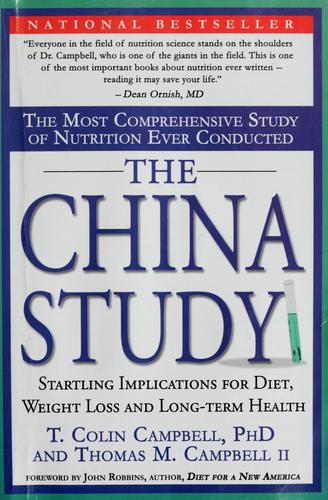
Here are 12 book club questions for The China Study by T. Colin Campbell, ordered to open easily and end somewhere worth arguing about. Copy them, print them, or bring them up one at a time.
The 12 questions
- 1.
Campbell's argument rests heavily on correlations from epidemiological data. What would it take for that kind of evidence to convince you to make major dietary changes?
- 2.
The book makes strong claims about casein and cancer based largely on rat studies. How much weight do you give animal research when drawing conclusions about human health?
- 3.
Campbell argues that industry influence corrupts nutritional science and dietary guidelines. Do you find that plausible? What would change if it were true?
- 4.
If the core claims of The China Study are correct, the implication is that the standard American diet is slowly killing most Americans. Why do you think that message hasn't produced more widespread dietary change?
- 5.
Methodological critics have argued Campbell interprets the China data selectively. How do you evaluate a book's scientific claims when you lack the expertise to read the underlying studies yourself?
- 6.
The book argues that whole-food, plant-based eating can reverse heart disease. Does that claim change how you think about the role of diet versus medication in treating chronic conditions?
- 7.
Campbell grew up on a dairy farm and spent his early career promoting animal protein before the data changed his view. How does knowing about his personal journey affect your reading of his conclusions?
- 8.
The book covers the relationship between meat and dairy industries and public health recommendations. Does that change how you think about where dietary guidelines come from?
- 9.
If you could do one thing based on the book's recommendations, what would it be? What's the main obstacle?
- 10.
Campbell argues that reductionist nutritional science — studying individual nutrients — has failed. What would a more holistic nutritional science look like?
- 11.
The book recommends eliminating all animal products. Do you think that's a realistic prescription for most people? What would make it more achievable?
- 12.
How does The China Study compare to other dietary arguments you've encountered? What makes it more or less compelling than those?
How to run the discussion
- Pick six to eight, not all of them. An hour of real discussion covers fewer questions than anyone expects, and racing the list is what makes a book club feel like homework.
- Open with what people noticed, not what they concluded. Asking for a verdict first hardens opinions before anyone has heard each other.
- Let the disagreement run. The questions below that split a room are the ones worth the time; the ones everyone answers the same way can be skipped.
- Ask the quiet person a specific question. A direct, narrow question is far easier to answer than an open invitation to contribute.
Themes worth steering toward
If the conversation stalls, these are the threads that usually restart it.
Common questions
What are good book club questions for The China Study?
Here are 12 book club questions for The China Study by T. Colin Campbell, ordered to open easily and end somewhere worth arguing about. The strongest openers ask what each reader noticed rather than what they concluded, and the discussion usually turns on nutrition, plant-based diet, cancer prevention.
How long should a book club discussion of The China Study last?
Most groups run 60 to 90 minutes of actual discussion. That is roughly six to eight questions, not all of them, so pick the ones that suit your group rather than working down the list in order.
What are the main themes in The China Study?
Nutrition, Plant-based diet, Cancer prevention, Evidence-based medicine, Food industry. Those are the threads most likely to divide a room, which makes them the useful places to steer a discussion that has gone quiet.
Picking the next one? See books like The China Study or questions for other book club picks.
