Health · Book club
The Diabetes Code book club questions
Here are 12 book club questions for The Diabetes Code by Jason Fung, ordered to open easily and end somewhere worth arguing about. Copy them, print them, or bring them up one at a time.
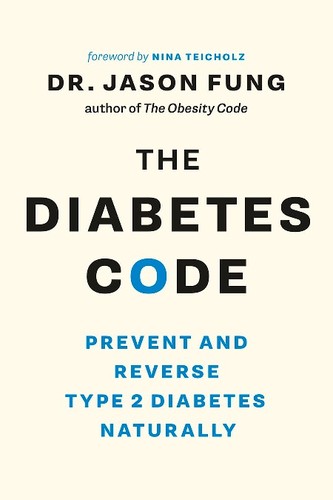
The Diabetes Code is Jason Fung's argument that type 2 diabetes is a dietary disease, not a genetic destiny, and that it is therefore reversible through the right interventions.
Jason Fung · 2018 · 4h 45m
Full summary and key takeaways →The 12 questions
- 1.
Fung argues that treating blood sugar without addressing insulin is like mopping the floor under a running faucet. How does this metaphor change the way you think about chronic disease management in general?
- 2.
The book implicates dietary guidelines promoted by governments and health agencies. How much weight should individuals give to official nutritional advice, and how should they evaluate it critically?
- 3.
Fung is critical of pharmaceutical treatment of type 2 diabetes as a first-line intervention. What responsibility do patients, doctors, and healthcare systems each bear for the way diabetes is currently treated?
- 4.
Intermittent fasting is central to Fung's protocol. What are the practical barriers to adopting it, and who might it genuinely not suit?
- 5.
The book is written by a clinician, not an academic researcher. How does that affect how you weigh its claims against those in peer-reviewed literature?
- 6.
Fung describes patients who reversed their diabetes diagnoses. What would it take for such outcomes to become a realistic part of standard care rather than individual exceptions?
- 7.
What role does the food industry play in the rise of type 2 diabetes, and is individual dietary choice a sufficient response to a structural problem?
- 8.
How does the framing of type 2 diabetes as reversible change the psychology of patients who have been told it is a progressive, manageable condition?
- 9.
Fung distinguishes type 1 from type 2 diabetes clearly. Do you think the current cultural and medical treatment of diabetes conflates the two in unhelpful ways?
- 10.
The low-fat era is presented as a nutritional mistake with large-scale consequences. What other widely accepted health beliefs might we look back on with similar skepticism?
- 11.
Who in your life has type 2 diabetes or is pre-diabetic? After reading the book, how would you approach a conversation with them about what you learned?
- 12.
Fung says the disease can be reversed, but reversal requires lifestyle changes that are harder than taking a pill. What makes sustained behavioral change so much more difficult than medication adherence?
How to run the discussion
- Pick six to eight, not all of them. An hour of real discussion covers fewer questions than anyone expects, and racing the list is what makes a book club feel like homework.
- Open with what people noticed, not what they concluded. Asking for a verdict first hardens opinions before anyone has heard each other.
- Let the disagreement run. The questions below that split a room are the ones worth the time; the ones everyone answers the same way can be skipped.
- Ask the quiet person a specific question. A direct, narrow question is far easier to answer than an open invitation to contribute.
Themes worth steering toward
If the conversation stalls, these are the threads that usually restart it.
Common questions
What are good book club questions for The Diabetes Code?
Here are 12 book club questions for The Diabetes Code by Jason Fung, ordered to open easily and end somewhere worth arguing about. The strongest openers ask what each reader noticed rather than what they concluded, and the discussion usually turns on insulin resistance, metabolic health, dietary intervention.
How long should a book club discussion of The Diabetes Code last?
Most groups run 60 to 90 minutes of actual discussion. That is roughly six to eight questions, not all of them, so pick the ones that suit your group rather than working down the list in order.
What are the main themes in The Diabetes Code?
Insulin resistance, Metabolic health, Dietary intervention, Fasting, Chronic disease. Those are the threads most likely to divide a room, which makes them the useful places to steer a discussion that has gone quiet.
Picking the next one? See books like The Diabetes Code or questions for other book club picks.
