The Memo by Minda Harts is a 2019 business book about workplace equity, career advancement, race and gender. The 'memo' is the informal network of career knowledge that circulates among the already-connected — and women of color often don't receive it through traditional channels.
Summary
The Memo is Minda Harts's career guide written specifically for women of color navigating professional environments that were not built with them in mind. The title refers to the unwritten set of rules and insider knowledge that gets passed informally among those who already belong — the memo that women of color often never receive. Harts argues that the gap is not one of ambition or ability but of access to networks, mentors, and the unspoken norms of corporate culture.
Harts draws on her own experience building a career in nonprofits and starting her own company, The Memo LLC, after finding that the career advice she encountered was written from a perspective that didn't fit her reality. The book addresses concrete career stages: navigating entry-level roles, building a professional network, finding sponsors (not just mentors), negotiating salary, and managing visibility in organizations where women of color remain underrepresented at senior levels.
A recurring theme is the difference between mentors and sponsors. Mentors offer advice; sponsors actively use their political capital to advocate for someone's advancement. Harts argues that women of color should be strategic about cultivating both, while also building networks that include people who look like them — not just those who already hold power. She is direct about the reality that likability politics, tone policing, and structural bias shape how professional behavior gets read differently depending on who is displaying it.
The book is honest about what it cannot fix. Individual strategy doesn't dismantle systemic bias, and Harts says so. The goal is to help readers maximize their options and protect their sanity while working within institutions that are slow to change, while also building the collective power to push for broader shifts. For women of color early in their careers, the book offers an unusually practical and unsentimental road map.

Talk to The Memo like its author wrote you back.
Get the ideas that fit your life — not generic summaries.
- Chat with the book
- Audiobook-style main ideas
- Adapts to your life and goals
- Helps you take action
Key takeaways
- 1.
The 'memo' is the informal network of career knowledge that circulates among the already-connected — and women of color often don't receive it through traditional channels.
- 2.
Mentors give advice; sponsors use their capital to advocate for you publicly. Both matter, but sponsors are rarer and more directly tied to advancement.
- 3.
Negotiation is not optional. Women of color who don't negotiate salary and title cede ground that compounds over the course of a career.
- 4.
Build a network that includes people who look like you. A homogeneous network is a fragile one that won't tell you what you need to hear.
- 5.
Likability politics are real and unequal. Professional behavior that reads as confident in one person can read as aggressive in another. Being aware of this is not the same as accepting it.
- 6.
Visibility is a skill. If your work isn't being seen by the right people, the work isn't being credited to you regardless of its quality.
- 7.
Individual advancement and collective change aren't opposites. Playing the game strategically while also pushing for systemic shifts is not a contradiction.
- 8.
Know when an organization is not going to change. Staying in a toxic environment too long has career costs that are easy to underestimate from inside it.
Discussion questions
Use these on your own, with a book club, or as chat starters in Superbook. Book club version, ready to copy or print →
- 1.
Harts argues that much career advice is not actually universal, just written from a specific perspective. What career advice have you received that didn't quite fit your situation?
- 2.
What's the difference between a mentor and a sponsor in your own professional network? Do you have both?
- 3.
How have unspoken norms in your workplace shaped who gets credit and who gets overlooked?
- 4.
Harts is direct about the reality of structural bias. How do you balance advocating for yourself within a system while also pushing for that system to change?
- 5.
Have you ever withheld an opinion or tempered your communication style because of how you thought it would be received? What drove that calculation?
- 6.
What would it mean to build a professional network strategically rather than accidentally? What gaps do you notice in your own network right now?
- 7.
Harts talks about knowing when to leave an organization. What signals would tell you that a workplace was not going to change in the ways you need it to?
- 8.
How does visibility function in your workplace? Whose work gets seen and credited, and whose gets absorbed without attribution?
- 9.
If you haven't negotiated salary or title before, what's been the real reason? If you have, how did you prepare?
- 10.
The book argues that sponsorship requires political capital being spent on someone. What would it take for you to be the kind of colleague who spends that capital on others?
- 11.
How does advice from someone with a different background than yours land differently? What do you do with advice that doesn't quite fit?
- 12.
Harts writes for women of color but the dynamics she describes appear more broadly. Where have you seen the same patterns in different contexts?
Themes
Frequently asked questions
-
Who is The Memo written for?
Primarily women of color navigating corporate or professional environments. Harts is explicit about this. White women and men may find parts useful, but the book is intentionally written for an audience that most career books assume as a side note rather than a subject.
-
Is The Memo worth reading?
Yes, particularly for early- and mid-career readers who haven't found existing career advice to match their experience. The book is direct, practical, and refreshingly unsentimental about the structural barriers it describes. It doesn't promise that strategy alone will fix systemic problems, which makes it more credible.
-
What is the most actionable idea in The Memo?
The distinction between mentors and sponsors. Most professionals have mentors who offer advice; far fewer have sponsors who actively advocate for them with decision-makers. Identifying who in your network can play that sponsorship role — and cultivating those relationships deliberately — is concrete and immediately applicable.
-
How does The Memo compare to Lean In?
The Memo is more direct about structural bias and more specifically written for women of color. Harts is skeptical of the idea that the main problem is women's own ambition or behavior. The advice is also more tactical about navigating real workplace dynamics rather than inspiring broad attitude shifts.
-
How long does it take to read The Memo?
Around three to four hours at average reading pace. The chapters are short and organized around career stages, so it can be read cover to cover or used as a reference when a specific issue arises.
Similar books
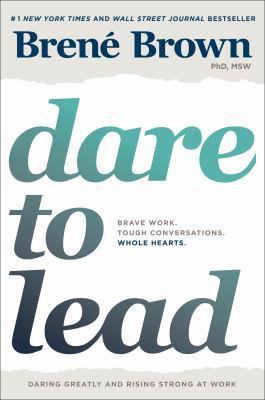
Dare to Lead
Brené Brown
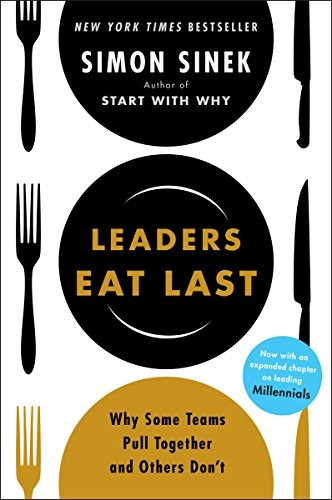
Leaders Eat Last
Simon Sinek
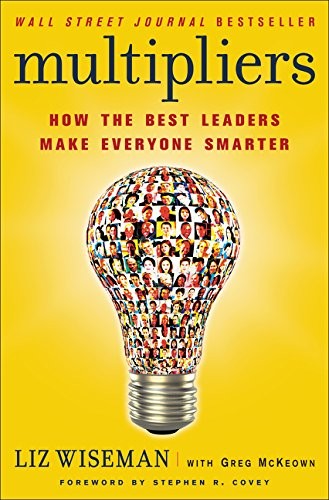
Multipliers
Liz Wiseman
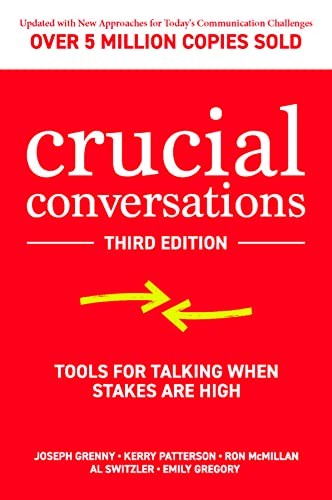
Crucial Conversations: Tools for Talking When Stakes Are High
Kerry Patterson, Joseph Grenny, Ron McMillan, and Al Switzler
