The Motivation Myth by Jeff Haden is a 2018 self-help book about motivation, process, habits. Motivation follows action, not the other way around. Waiting to feel motivated before starting is the most reliable way to never start.
Summary
Jeff Haden's central claim is a simple inversion: most people believe motivation is a precondition for starting — feel motivated, then act. Haden argues this is backwards. Motivation is a byproduct of small successful actions, not a cause of them. You don't feel motivated and then exercise; you exercise and then feel motivated. The "myth" of the title is the belief that you need to find or generate motivation before you can begin.
The book is organized around what Haden calls the motivation algorithm: choose a process that will produce the desired result, execute it, and use each small success as fuel for the next repetition. He emphasizes that elite performers — athletes, musicians, business achievers — are not more motivated than other people. They are more process-focused. They've structured their activity so that progress is visible and frequent, which creates the positive feedback loop that feels like sustained motivation from the outside.
Haden is a contributing editor at Inc. magazine and the book reflects that background: it's practical, example-driven, and built around interviews with high achievers across fields. The advice is actionable — design a process before you need willpower, track progress at the granular level, set process goals rather than outcome goals, and surround yourself with people doing the thing you want to do. The evidence base is primarily anecdotal rather than research-based, which is both its accessibility and its limitation.
The weakness is predictability. Readers who've engaged with the habits and goal-setting literature will find most of this familiar under different labels. The inversion of the motivation-action sequence is well-established in psychology (particularly the work of B.J. Fogg and James Clear), and Haden adds more case study color than conceptual novelty. That said, the message is worth repeating for readers encountering it for the first time: waiting to feel ready is a reliable strategy for never starting.

Talk to The Motivation Myth like its author wrote you back.
Get the ideas that fit your life — not generic summaries.
- Chat with the book
- Audiobook-style main ideas
- Adapts to your life and goals
- Helps you take action
Key takeaways
- 1.
Motivation follows action, not the other way around. Waiting to feel motivated before starting is the most reliable way to never start.
- 2.
Elite performers are not more motivated than others — they are more process-focused. Success comes from structured repetition, not inspiration.
- 3.
Process goals (run four days this week) are more achievable and more motivating than outcome goals (lose fifteen pounds), because they generate wins on a daily timescale.
- 4.
Every small success creates a dopamine-related feedback loop that makes the next action easier to start. The process is self-reinforcing once begun.
- 5.
Track progress at the smallest useful granularity. Visible daily evidence of improvement is more motivating than weekly or monthly summaries.
- 6.
Your social environment shapes your behavior more than willpower does. Spending time with people doing the thing you want to do is a direct input to your behavior.
- 7.
Outcome focus creates anxiety and avoidance. Process focus creates daily wins and forward movement regardless of how far you are from the goal.
- 8.
Starting is the hardest part. Removing barriers to starting — making the first action trivially small — is more effective than trying to generate enthusiasm before acting.
Discussion questions
Use these on your own, with a book club, or as chat starters in Superbook. Book club version, ready to copy or print →
- 1.
Haden argues that motivation is an output, not an input. Think of a goal you've been putting off. What small action would create the first piece of evidence that you're already the kind of person who does this?
- 2.
Where in your life have you experienced the cycle he describes — acting first and feeling more motivated as a result?
- 3.
What's a goal you've been framing as an outcome that could be reframed as a process?
- 4.
Haden emphasizes surrounding yourself with people who do the thing you want to do. What's the current composition of your closest environment for the goal you care most about?
- 5.
The book relies heavily on examples from high-performance athletics and business. Does that evidence feel applicable to your own life, or does it create distance?
- 6.
He distinguishes between inspiration (feeling moved by something) and motivation (doing the thing consistently). Where have you confused the two?
- 7.
What's one barrier to starting on something important that, if removed, would make the first action trivially easy?
- 8.
Haden says tracking granular progress is more motivating than tracking toward a distant goal. What would it look like to track the process metric rather than the outcome metric for something you're working on?
- 9.
The book is written in an optimistic, can-do voice. Do you find that tone persuasive, or does it make the advice feel oversimplified?
- 10.
Where in your life are you in the 'waiting to feel ready' mode? What is that waiting actually protecting you from?
- 11.
If motivation is a byproduct of progress, what would change about how you design your daily work or practice?
Themes
Frequently asked questions
-
Is The Motivation Myth worth reading?
It depends on your familiarity with the habits literature. If you've read Atomic Habits, Tiny Habits, or Drive, much of this will feel familiar. If you haven't, it's an accessible and practical entry point to process-focused thinking. The case studies from athletics and business are well-chosen.
-
How long does it take to read The Motivation Myth?
Around three to four hours. The book is under 250 pages and reads quickly. Haden's writing is clear and direct, shaped by his background as a business journalist.
-
What is the main idea of The Motivation Myth?
That motivation is the result of small successful actions, not their precondition. The way to feel motivated is to structure a process that creates frequent wins, then execute it consistently — motivation follows from the work, not before it.
-
Who should read this book?
People who consistently struggle to start or sustain effort on personal or professional goals, especially those who believe they lack motivation. Readers looking for a research-heavy treatment should look elsewhere.
-
How does it compare to Atomic Habits?
Atomic Habits provides a more detailed framework with more cognitive science behind it. The Motivation Myth is more anecdote-driven and focuses specifically on the motivation-action causation reversal. They cover similar territory; Clear's book is more comprehensive.
Similar books
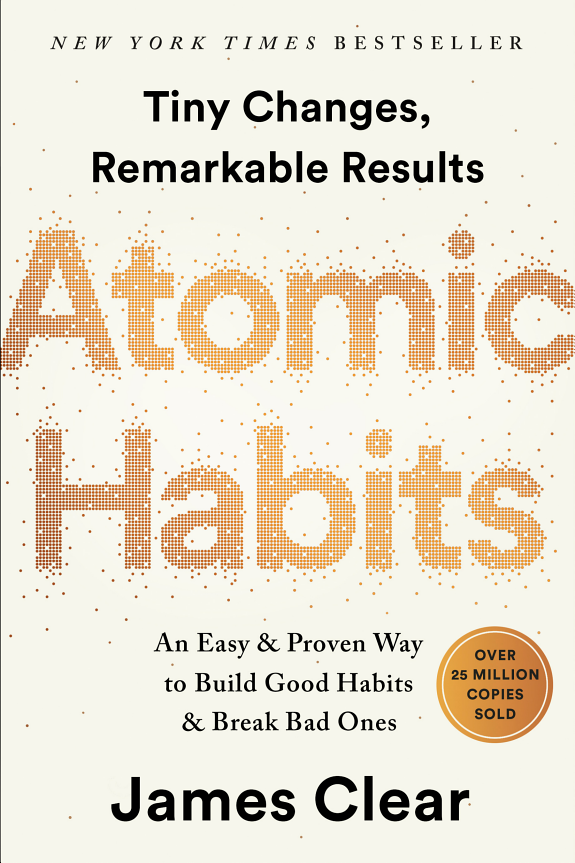
Atomic Habits
James Clear
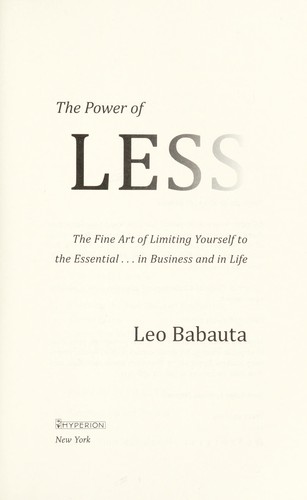
The Power of Less
Leo Babauta
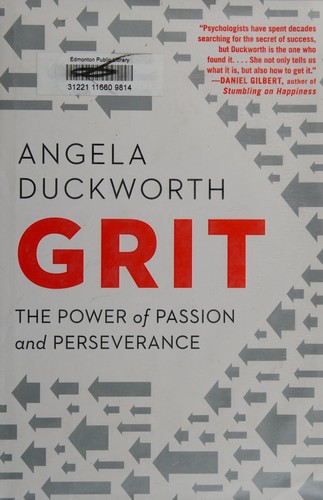
Grit: The Power of Passion and Perseverance
Angela Duckworth
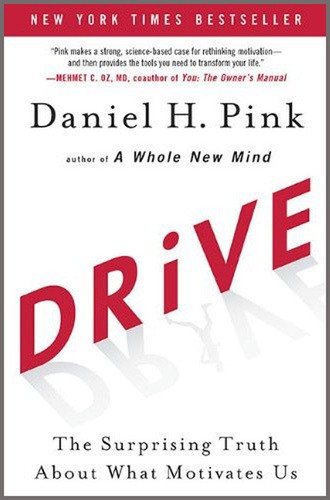
Drive: The Surprising Truth About What Motivates Us
Daniel H. Pink
