Religion & Spirituality · Book club
Waking Up: A Guide to Spirituality Without Religion book club questions
Here are 11 book club questions for Waking Up: A Guide to Spirituality Without Religion by Sam Harris, ordered to open easily and end somewhere worth arguing about. Copy them, print them, or bring them up one at a time.
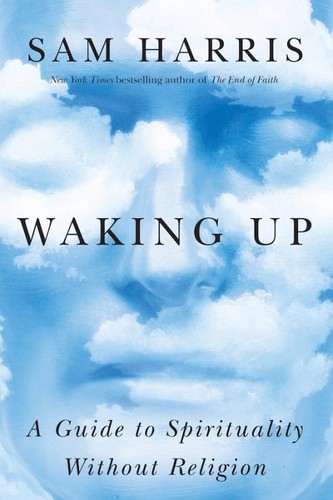
Waking Up is Sam Harris' argument that the insights of contemplative traditions — particularly Buddhism's claim that the sense of self is an illusion — can be separated from religious metaphysics and investigated directly through meditation and introspection.
Sam Harris · 2014 · 5h 20m
Full summary and key takeaways →The 11 questions
- 1.
Harris argues that the sense of a unified self is a construction, not a discovery. Does that claim seem like an insight or an empty philosophical move to you?
- 2.
He separates spirituality from religion, claiming the insights can stand alone. Is that separation sustainable? What does it leave behind?
- 3.
The Dzogchen tradition claims the nature of mind can be recognized directly in an instant. Harris says he has had that experience. How do you evaluate first-person testimony about states of consciousness?
- 4.
Harris is unusually critical of specific spiritual teachers and communities. Does that critical stance make him a more or less trustworthy guide to meditation?
- 5.
He argues that meditation's deepest insights concern the absence of a self. Is that consistent with living a fully engaged life with commitments, relationships, and responsibilities?
- 6.
How does Harris' account of spiritual experience differ from traditional Buddhist or Vedantic accounts? What has he kept and what has he left behind?
- 7.
Split-brain research shows that the brain has no single executive and can produce two simultaneous self-narratives. What does that tell you about the nature of self-experience?
- 8.
Harris argues that psychedelics can produce genuine spiritual insights but can't substitute for practice. Is that a defensible position or an attempt to have it both ways?
- 9.
The book is aimed partly at atheists who are skeptical of 'spirituality.' Does Harris succeed in making the case that spiritual experience is worth taking seriously for that audience?
- 10.
Harris studied with multiple teachers across traditions. What does the comparative experience suggest about the universality of contemplative insight?
- 11.
What would change about your daily life if the sense of self you ordinarily experience were genuinely recognized as a construction?
How to run the discussion
- Pick six to eight, not all of them. An hour of real discussion covers fewer questions than anyone expects, and racing the list is what makes a book club feel like homework.
- Open with what people noticed, not what they concluded. Asking for a verdict first hardens opinions before anyone has heard each other.
- Let the disagreement run. The questions below that split a room are the ones worth the time; the ones everyone answers the same way can be skipped.
- Ask the quiet person a specific question. A direct, narrow question is far easier to answer than an open invitation to contribute.
Themes worth steering toward
If the conversation stalls, these are the threads that usually restart it.
Common questions
What are good book club questions for Waking Up: A Guide to Spirituality Without Religion?
Here are 11 book club questions for Waking Up: A Guide to Spirituality Without Religion by Sam Harris, ordered to open easily and end somewhere worth arguing about. The strongest openers ask what each reader noticed rather than what they concluded, and the discussion usually turns on consciousness, meditation, spirituality.
How long should a book club discussion of Waking Up: A Guide to Spirituality Without Religion last?
Most groups run 60 to 90 minutes of actual discussion. That is roughly six to eight questions, not all of them, so pick the ones that suit your group rather than working down the list in order.
What are the main themes in Waking Up: A Guide to Spirituality Without Religion?
Consciousness, Meditation, Spirituality, Atheism, The self. Those are the threads most likely to divide a room, which makes them the useful places to steer a discussion that has gone quiet.
Picking the next one? See books like Waking Up: A Guide to Spirituality Without Religion or questions for other book club picks.
