Science · Similar reads
Books like Weapons of Math Destruction
The best books like Weapons of Math Destruction are The Master Algorithm, Code: The Hidden Language of Computer Hardware and Software, and Human Compatible: Artificial Intelligence and the Problem of Control. Weapons of Math Destruction by Cathy O'Neil is about algorithms, inequality, data science. If that's what drew you in, here are 12 books that share its DNA — each summarized on Superbook, and ready to chat with in the app.
- The Master Algorithm
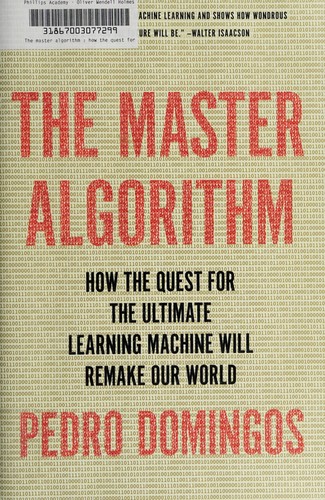
01
Pedro Domingos · Science
The Master Algorithm is Pedro Domingos's survey of machine learning — the field of computer science that creates algorithms capable of learning from data — organized around a central speculative thesis: that there exists, or may be found, a single master algorithm from which all learning can be derived.
Shares algorithms and data science with Weapons of Math Destruction.
Read the summary → - Code: The Hidden Language of Computer Hardware and Software
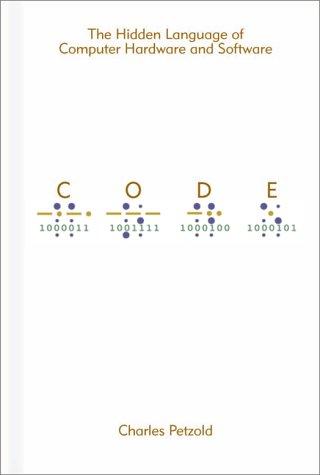
02
Code: The Hidden Language of Computer Hardware and Software
Charles Petzold · Science
Code is Charles Petzold's explanation of how computers work, built from first principles.
Both dig into technology.
Read the summary → - Human Compatible: Artificial Intelligence and the Problem of Control
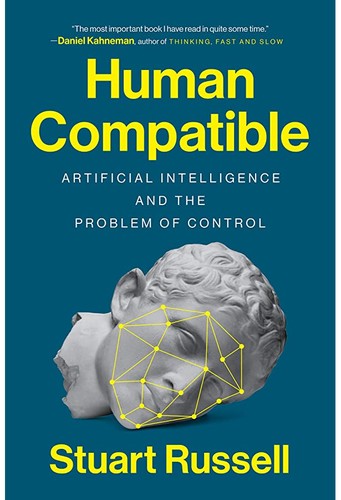
03
Human Compatible: Artificial Intelligence and the Problem of Control
Stuart Russell · Science
Human Compatible is Stuart Russell's argument, from inside mainstream AI research, that the standard model of AI — build a system that optimizes for a fixed objective — is the wrong approach, and that the transition to much more capable AI systems requires a fundamental change in how AI is designed.
A kindred science read.
Read the summary →
- The Shallows: What the Internet Is Doing to Our Brains
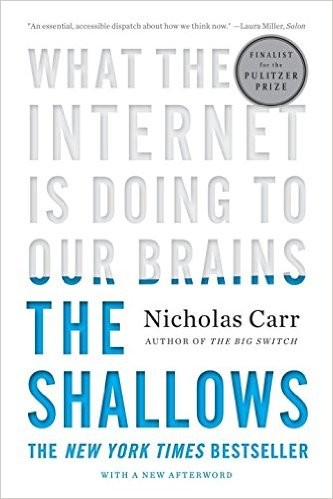
04
The Shallows: What the Internet Is Doing to Our Brains
Nicholas Carr · Science
The Shallows is Nicholas Carr's argument that the internet — and the way we habitually use it, skimming hyperlinked text, watching short videos, checking feeds — is reshaping the neural circuits responsible for deep reading and sustained concentration.
Both dig into technology.
Read the summary → - The Second Machine Age
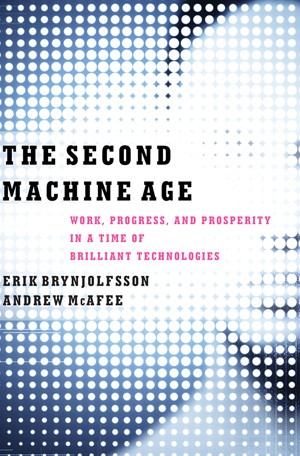
05
Erik Brynjolfsson and Andrew McAfee · Economics
The Second Machine Age is Erik Brynjolfsson and Andrew McAfee's argument that digital technology has entered a qualitatively new phase — one in which machines can perform cognitive tasks previously reserved for humans, creating economic disruption and opportunity simultaneously.
Shares inequality and technology with Weapons of Math Destruction.
Read the summary → - Guns, Germs, and Steel
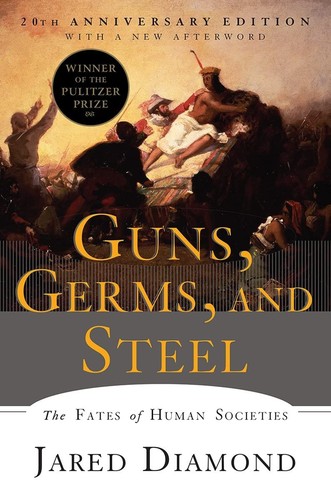
06
Jared Diamond · Science
Guns, Germs, and Steel is Jared Diamond's attempt to answer a question posed to him by a Papua New Guinean politician named Yali: why did Europeans end up with so much cargo — wealth, technology, power — while other peoples had comparatively little?
Both dig into inequality.
Read the summary → - Livewired: The Inside Story of the Ever-Changing Brain

07
Livewired: The Inside Story of the Ever-Changing Brain
David Eagleman · Science
David Eagleman's argument is that "hardwired" is the wrong metaphor for the brain.
Both dig into technology.
Read the summary → - Stiff: The Curious Lives of Human Cadavers
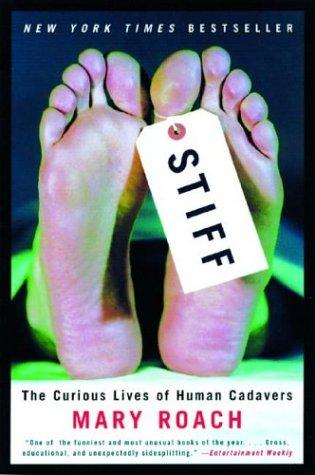
08
Stiff: The Curious Lives of Human Cadavers
Mary Roach · Science
Stiff follows the human body after death — through anatomy labs, crash-test facilities, forensic research farms, military ballistics testing, and the history of surgical education.
Both dig into ethics.
Read the summary → - The Code Book: The Science of Secrecy from Ancient Egypt to Quantum Cryptography
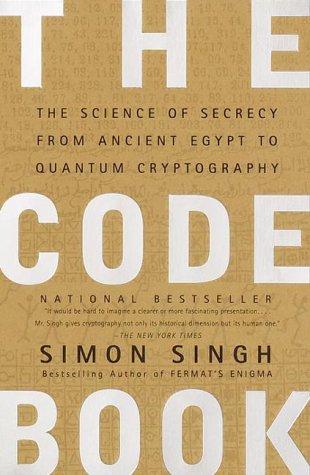
09
The Code Book: The Science of Secrecy from Ancient Egypt to Quantum Cryptography
Simon Singh · Science
Simon Singh's The Code Book traces the history of cryptography from Caesar's cipher through the breaking of Enigma to the mathematics of public-key encryption and the looming possibility of quantum cryptography.
Both dig into technology.
Read the summary → - The Distracted Mind
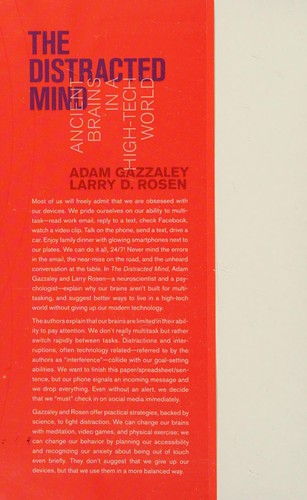
10
Adam Gazzaley and Larry D. Rosen · Science
The Distracted Mind brings together two distinct research traditions — cognitive neuroscience and psychology of technology — to explain why modern humans find sustained attention so difficult and what can be done about it.
Both dig into technology.
Read the summary → - The Fate of Food: What We'll Eat in a Bigger, Hotter, Smarter World
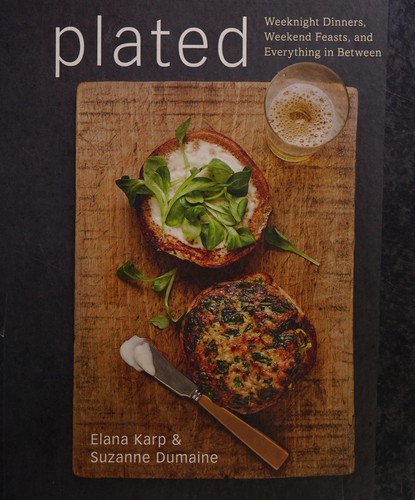
11
The Fate of Food: What We'll Eat in a Bigger, Hotter, Smarter World
Amanda Little · Science
The Fate of Food is Amanda Little's reporting on how food production is being reshaped by climate change and by the technologies that farmers, scientists, and food companies are deploying to respond.
Both dig into technology.
Read the summary → - The Weather Machine: A Journey Inside the Forecast
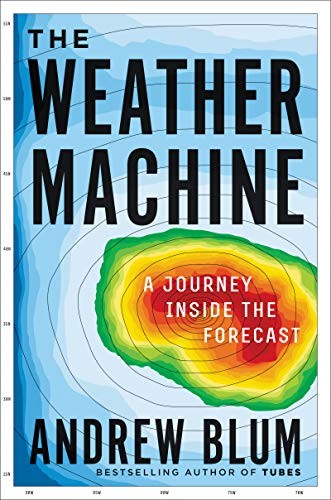
12
The Weather Machine: A Journey Inside the Forecast
Andrew Blum · Science
The Weather Machine is Andrew Blum's account of how modern weather forecasting actually works — not the phone app that tells you tomorrow will be partly cloudy, but the vast physical and computational infrastructure behind that prediction.
Both dig into technology.
Read the summary →
Books like Weapons of Math Destruction: quick answers
What are the best books like Weapons of Math Destruction?
The best books like Weapons of Math Destruction by Cathy O'Neil are The Master Algorithm by Pedro Domingos, Code: The Hidden Language of Computer Hardware and Software by Charles Petzold, Human Compatible: Artificial Intelligence and the Problem of Control by Stuart Russell, The Shallows: What the Internet Is Doing to Our Brains by Nicholas Carr, The Second Machine Age by Erik Brynjolfsson and Andrew McAfee, plus 7 more below. Each was chosen for themes it shares with Weapons of Math Destruction, such as algorithms, inequality, data science.
What should I read after Weapons of Math Destruction?
A natural next read after Weapons of Math Destruction is The Master Algorithm by Pedro Domingos. Shares algorithms and data science with Weapons of Math Destruction. Other strong choices are Code: The Hidden Language of Computer Hardware and Software by Charles Petzold, Human Compatible: Artificial Intelligence and the Problem of Control by Stuart Russell, The Shallows: What the Internet Is Doing to Our Brains by Nicholas Carr.
What books are similar to Weapons of Math Destruction by Cathy O'Neil?
Weapons of Math Destruction centers on algorithms, inequality, data science. Books with a similar feel include The Master Algorithm by Pedro Domingos, Code: The Hidden Language of Computer Hardware and Software by Charles Petzold, Human Compatible: Artificial Intelligence and the Problem of Control by Stuart Russell, The Shallows: What the Internet Is Doing to Our Brains by Nicholas Carr, The Second Machine Age by Erik Brynjolfsson and Andrew McAfee, Guns, Germs, and Steel by Jared Diamond — all free to read and chat with on Superbook.
